Buy castlelouisiana.com ?
We are moving the project
castlelouisiana.com .
Are you interested in purchasing the domain
castlelouisiana.com ?
domain@kv-gmbh.de · 0541-91531010
Buy castlelouisiana.com ?
What are electricity and high culture history?
Electricity history refers to the development and use of electricity as a form of energy, including the discovery of electricity, the invention of electric devices, and the establishment of electrical systems. High culture history, on the other hand, refers to the history of cultural and artistic achievements that are considered to be of high quality and sophistication, such as classical music, literature, fine arts, and theater. Both electricity and high culture history have evolved over time, shaping the way we live and appreciate the world around us. **
What is the difference between low culture and high culture in history?
Low culture refers to the cultural activities and products that are considered to be more common, popular, and easily accessible to the general public. This can include things like popular music, television shows, and mass-produced literature. On the other hand, high culture refers to the cultural activities and products that are considered to be more refined, sophisticated, and often associated with the elite or educated classes. This can include things like classical music, fine art, and literature that is considered to be more intellectually challenging. The distinction between low and high culture has been a source of debate and has evolved over time, but it generally reflects the social and class divisions within a society. **
Similar search terms for History
Top-Angebote
Products related to History:
-
From the Archives: Black History and Culture Value PackThis brand-new series is rooted in a profound commitment to shedding light on some of the important -- and often lesser-known -- aspects of Black history. From the Archives features landmarks, events, people, and artistic endeavors that have played...27,99 $*Shipping: 0,00 $Secure redirect to the provider
-
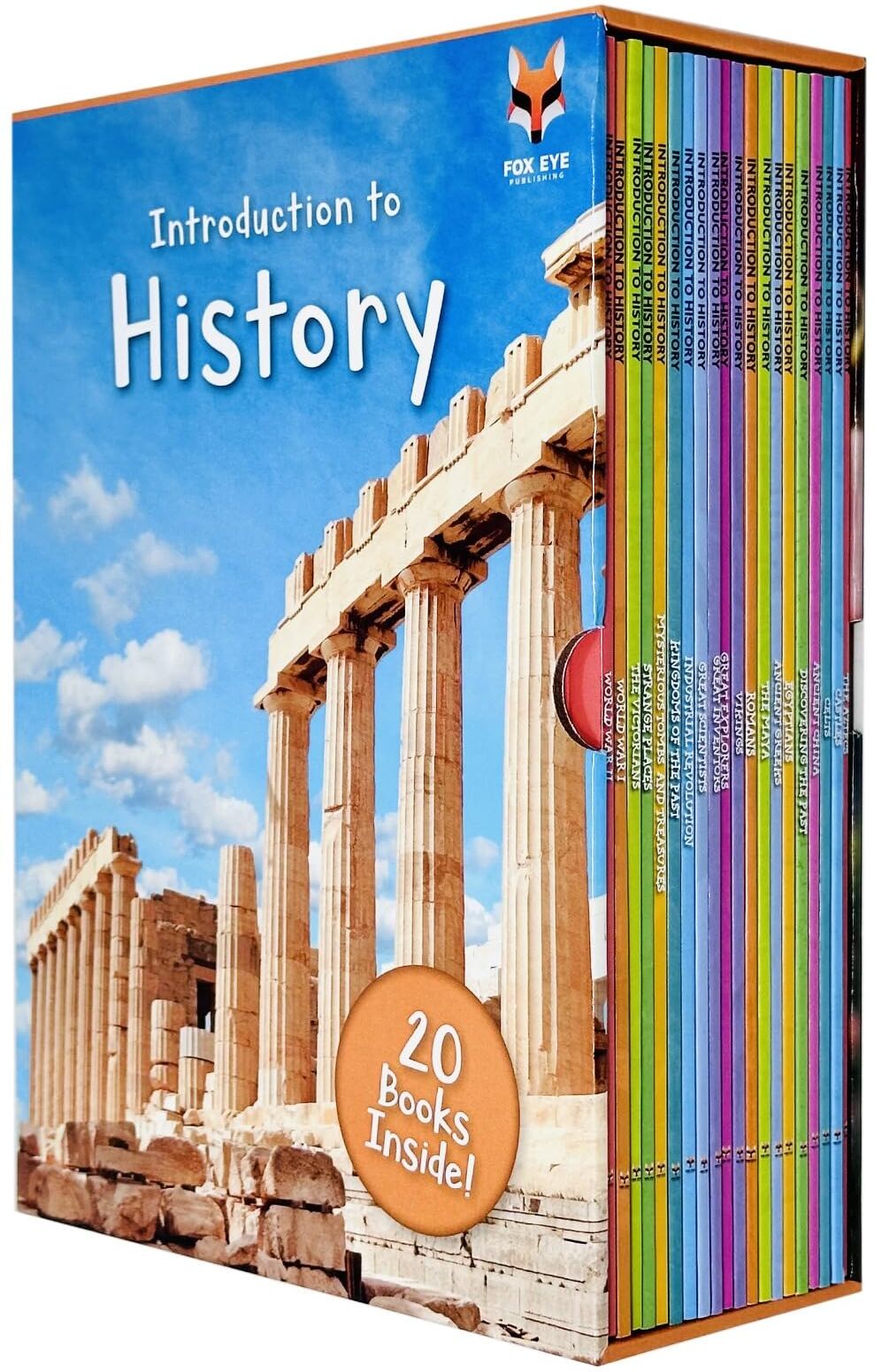
Fox Eye Publishing Introduction to History 20 Books Collection Box Set – Educational History Learning CollectionIntroduction to History 20 Books Collection Box Set (The Aztecs, Castles, Celts, Ancient China, Discovering the Past, Egyptians, Ancient Greeks, The Maya, Romans, Vikings, Great Explorers and More) Books in This Collection: Introduction to The Aztecs Introduction to Castles Introduction to Celts Introduction to Ancient China Introduction to Discovering the Past Introduction to Egyptians Introduction to Ancient Greeks Introduction to The Maya Introduction to Romans Introduction to Vikings Introduction to Great Explorers Introduction to Great Inventors Introduction to Great Scientists Introduction to Industrial Revolution Introduction to Kingdoms of the Past Introduction to Mysterious Tombs and Treasures Introduction to Strange Places Introduction to The Victorians Introduction to World War I Introduction to World War II12,99 £*Shipping: 2,99 £Secure redirect to the provider
-
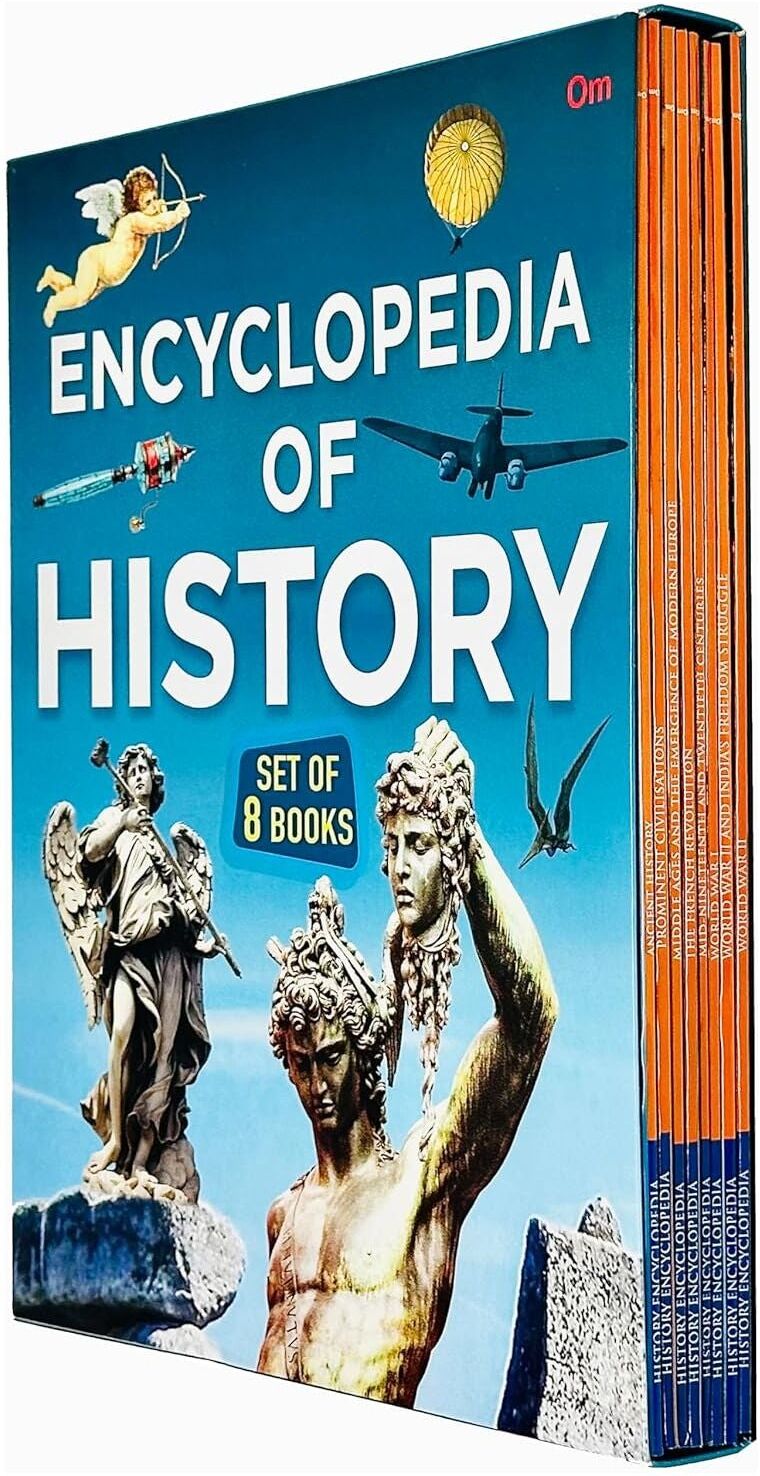
OM Books International Encyclopedia of History 8 Books Collection Set – World War History & Educational Learning CollectionEncyclopedia of History set of 8 books (World War I, World War II, World War II and Indias Freedom Struggle, Mid Nineteenth and Twentieth Centuries, The French Revolution & More): Titles in This Set: Encyclopedia: World War I Encyclopedia: World War II Encyclopedia: World War II and Indias Freedom Struggle Encyclopedia: Mid Nineteenth and Twentieth Centuries Encyclopedia: The French Revolution Encyclopedia: Middle Ages and the Emergence of Modern Europe Encyclopedia: Prominent Civilisations Encyclopedia: Ancient History Description: What made humans the way they are today? How were civilisations formed and erased? What makes up history? Get answers to all the questions and more in this history encyclopedia. Go back in time and learn all about human history, right from the time man began his journey in stone caves. Relive epic battles, learn about the rise and fall of great empires and a lot more.9,90 £*Shipping: 2,99 £Secure redirect to the provider


-
Is history reported one-sidedly in history books?
History is often reported one-sidedly in history books, as they are typically written from the perspective of the dominant or victorious group. This can lead to the experiences and perspectives of marginalized or oppressed groups being overlooked or misrepresented. It is important for readers to critically analyze multiple sources and perspectives to gain a more comprehensive understanding of historical events. By seeking out diverse viewpoints and voices, a more balanced and nuanced understanding of history can be achieved. **
-
Should history classes teach more about African history?
Yes, history classes should teach more about African history. African history is rich and diverse, with a long and complex history that has often been overlooked or marginalized in traditional history curriculums. By including more African history in the curriculum, students can gain a more comprehensive understanding of the world and the interconnectedness of different cultures and societies. This can also help to challenge stereotypes and misconceptions about Africa and its people, and promote a more inclusive and accurate portrayal of global history. **
-
What is a question about the history of Romanesque architecture?
How did Romanesque architecture evolve from the earlier Carolingian and Byzantine styles? **
-
Is our perspective on history manipulated by history lessons?
Our perspective on history can be influenced by history lessons, as they often present a particular narrative or interpretation of events. History lessons may focus on certain events or figures while omitting others, leading to a biased view of the past. Additionally, the way history is taught can shape our understanding of key concepts such as power, identity, and progress. It is important to critically analyze the information presented in history lessons and seek out diverse perspectives to develop a more nuanced understanding of the past. **


Is our perspective on history manipulated by history classes?
Yes, our perspective on history can be manipulated by history classes. History classes often focus on specific events, figures, and narratives that align with the dominant cultural and political perspectives of the time. This can lead to the omission or downplaying of certain perspectives, events, and voices, which can shape our understanding of history in a biased way. Additionally, the way history is taught and the materials used in history classes can also influence how we perceive and interpret historical events. It is important to critically analyze and seek out diverse sources of information to gain a more comprehensive understanding of history. **
What is subjective history and what is objective history?
Subjective history refers to the interpretation of historical events through the lens of personal opinions, biases, and emotions. It is influenced by individual perspectives and can vary depending on the storyteller. On the other hand, objective history aims to present facts and events based on evidence and research, without personal bias or interpretation. It strives to provide an accurate and unbiased account of past events. **
Top-Angebote
Products related to History:
-
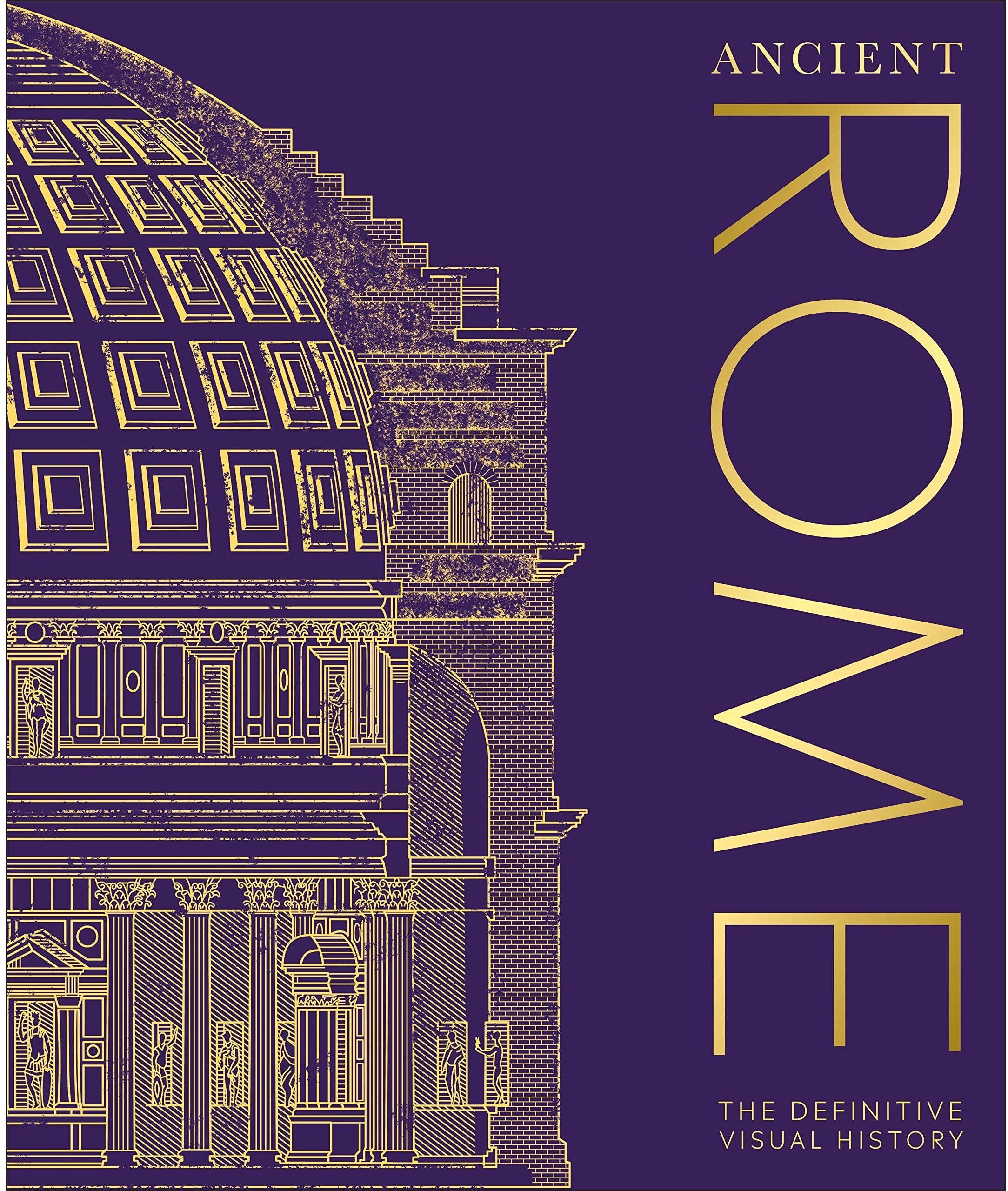
Ancient Rome: The Definitive Visual History (DK Classic History)Immerse yourself in the history of ancient Rome - from its origins as a small settlement on the Palatine Hill to its peak as an empire reigning over 90 million people, and its tumultuous decline. Covering more than 1,000 years of history, and an empire that stretched from Scotland to Syria, Ancient Rome reveals in vivid detail all of the key political, cultural, and military events that shaped the Roman Empire and explores what it was like to live in a society that laid the foundations for many aspects of the modern world. Sumptuous photography and engaging text cover every facet of life in ancient Rome, from art, entertainment, and fashion to engineering, medicine, and war, while detailed maps trace the rise of the mighty Roman Empire. Step back in time in the pages of this history book to discover:- Themed spreads explore developments in areas such as sculpture, religion, warfare, and engineering. - Includes tales of the most dramatic events and battles in Roman history, as well as profiles of influential historical and cultural figures. - An optional 80pp reference section includes sections on rulers, gods and goddesses, and key sites. Featuring Rome's greatest emperors, from Augustus to Constantine, as well as profiles of generals, historians, and influential women, Ancient Rome also delves into the fascinating stories of gladiators, bakers, and enslaved people. The most iconic buildings of Rome are brought to life with specially commissioned CGI recreations, while the stories of ordinary citizens, soldiers, and persecuted groups from across the empire are told with the help of illustrations, artefacts, and eyewitness accounts. Beautifully illustrated and unparalleled in scope, Ancient Rome is the perfect book for anyone who is interested in this defining period of world history.19,95 £*Shipping: 2,99 £Secure redirect to the provider
-
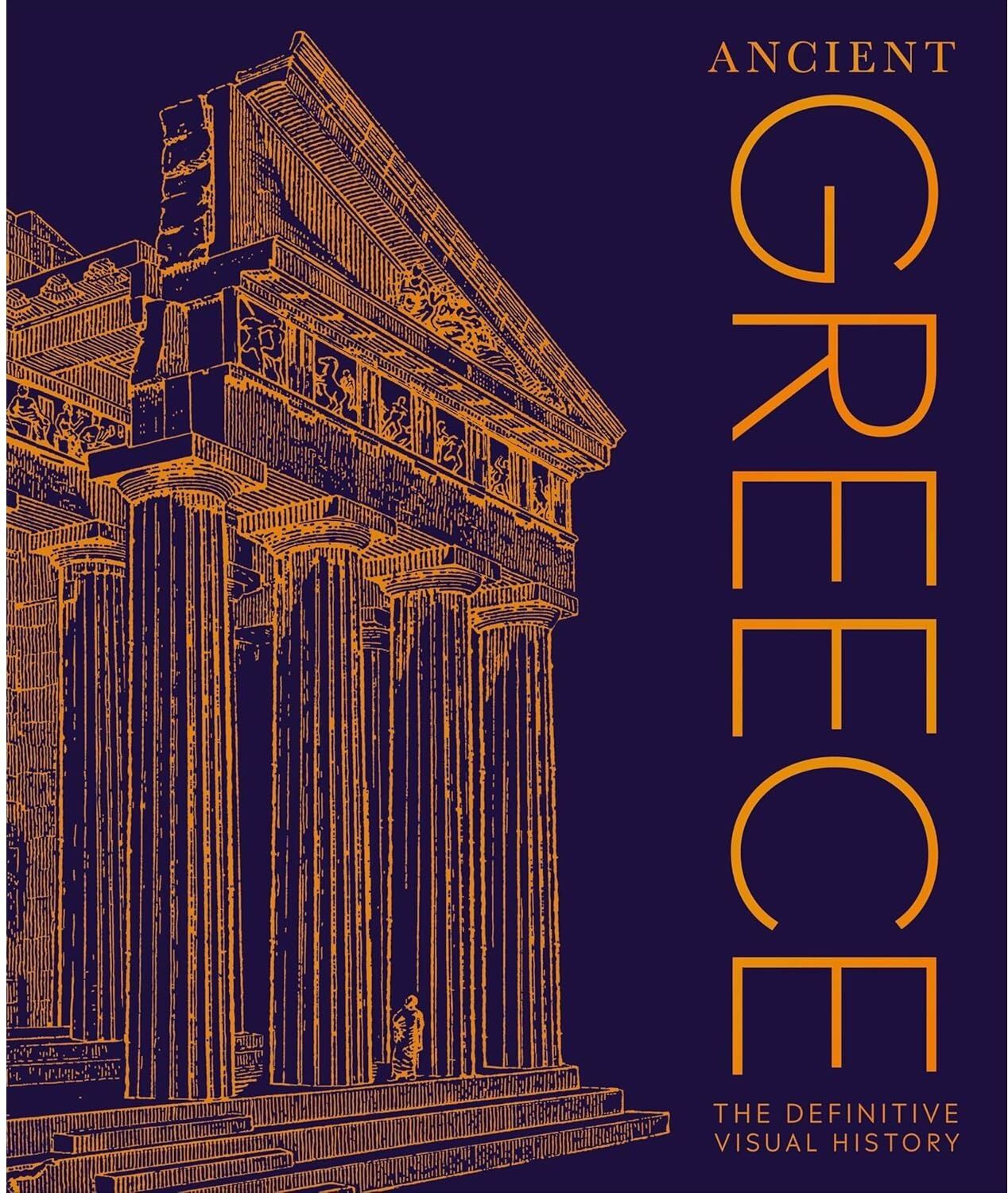
Ancient Greece: The Definitive Visual History (DK Classic History)Embark upon a fascinating journey through ancient Greece – from its rise and fall to its lasting legacy throughout the Western world. Spanning more than 3,000 years, Ancient Greece explores the tumultuous history of this glorious empire in vivid detail – from its Minoan and Mycenaean origins to the apogee of the warring city-states of Athens and Sparta, and from the death of its most charismatic leader, Alexander the Great, to its ultimate defeat by Rome. Sumptuous photography and authoritative, engaging text cover every facet of life in ancient Greece, from art, entertainment, and schools of thought to politics, medicine, and war, while the myths and religious beliefs of the ancient culture are explored and explained in depth. Greece’s military and political power shines through in fascinating maps of its legendary battles. Buried palaces and the Athenian Agora where Plato and Socrates discussed philosophy are brought back to life with stunning CGI artworks. And the stories of everyone from ordinary citizens to lawmakers and the first Olympic athletes are retold through eyewitness accounts and original artefacts.19,99 £*Shipping: 2,99 £Secure redirect to the provider
-
From the Archives: Black History and Culture Value PackThis brand-new series is rooted in a profound commitment to shedding light on some of the important -- and often lesser-known -- aspects of Black history. From the Archives features landmarks, events, people, and artistic endeavors that have played...27,99 $*Shipping: 0,00 $Secure redirect to the provider
-
What are electricity and high culture history?
Electricity history refers to the development and use of electricity as a form of energy, including the discovery of electricity, the invention of electric devices, and the establishment of electrical systems. High culture history, on the other hand, refers to the history of cultural and artistic achievements that are considered to be of high quality and sophistication, such as classical music, literature, fine arts, and theater. Both electricity and high culture history have evolved over time, shaping the way we live and appreciate the world around us. **
-
What is the difference between low culture and high culture in history?
Low culture refers to the cultural activities and products that are considered to be more common, popular, and easily accessible to the general public. This can include things like popular music, television shows, and mass-produced literature. On the other hand, high culture refers to the cultural activities and products that are considered to be more refined, sophisticated, and often associated with the elite or educated classes. This can include things like classical music, fine art, and literature that is considered to be more intellectually challenging. The distinction between low and high culture has been a source of debate and has evolved over time, but it generally reflects the social and class divisions within a society. **
-
Is history reported one-sidedly in history books?
History is often reported one-sidedly in history books, as they are typically written from the perspective of the dominant or victorious group. This can lead to the experiences and perspectives of marginalized or oppressed groups being overlooked or misrepresented. It is important for readers to critically analyze multiple sources and perspectives to gain a more comprehensive understanding of historical events. By seeking out diverse viewpoints and voices, a more balanced and nuanced understanding of history can be achieved. **
-
Should history classes teach more about African history?
Yes, history classes should teach more about African history. African history is rich and diverse, with a long and complex history that has often been overlooked or marginalized in traditional history curriculums. By including more African history in the curriculum, students can gain a more comprehensive understanding of the world and the interconnectedness of different cultures and societies. This can also help to challenge stereotypes and misconceptions about Africa and its people, and promote a more inclusive and accurate portrayal of global history. **
Similar search terms for History
-
Fox Eye Publishing Introduction to History 20 Books Collection Box Set – Educational History Learning CollectionIntroduction to History 20 Books Collection Box Set (The Aztecs, Castles, Celts, Ancient China, Discovering the Past, Egyptians, Ancient Greeks, The Maya, Romans, Vikings, Great Explorers and More) Books in This Collection: Introduction to The Aztecs Introduction to Castles Introduction to Celts Introduction to Ancient China Introduction to Discovering the Past Introduction to Egyptians Introduction to Ancient Greeks Introduction to The Maya Introduction to Romans Introduction to Vikings Introduction to Great Explorers Introduction to Great Inventors Introduction to Great Scientists Introduction to Industrial Revolution Introduction to Kingdoms of the Past Introduction to Mysterious Tombs and Treasures Introduction to Strange Places Introduction to The Victorians Introduction to World War I Introduction to World War II12,99 £*Shipping: 2,99 £Secure redirect to the provider
-
OM Books International Encyclopedia of History 8 Books Collection Set – World War History & Educational Learning CollectionEncyclopedia of History set of 8 books (World War I, World War II, World War II and Indias Freedom Struggle, Mid Nineteenth and Twentieth Centuries, The French Revolution & More): Titles in This Set: Encyclopedia: World War I Encyclopedia: World War II Encyclopedia: World War II and Indias Freedom Struggle Encyclopedia: Mid Nineteenth and Twentieth Centuries Encyclopedia: The French Revolution Encyclopedia: Middle Ages and the Emergence of Modern Europe Encyclopedia: Prominent Civilisations Encyclopedia: Ancient History Description: What made humans the way they are today? How were civilisations formed and erased? What makes up history? Get answers to all the questions and more in this history encyclopedia. Go back in time and learn all about human history, right from the time man began his journey in stone caves. Relive epic battles, learn about the rise and fall of great empires and a lot more.9,90 £*Shipping: 2,99 £Secure redirect to the provider
-
In Search Of Berlin by John Kampfner - Atlantic Books Hardback - 416pp European History - Waterstones Best History Book 2023In Search of Berlin is a sweeping history of one of Europe's most compelling capitals. Award-winning journalist John Kampfner blends personal reportage with rigorous research to trace Berlin's 800-year journey through empire, war, division, and reinvention. This hardback book is a Waterstones Best History Book of 2023 and was longlisted for the Ondaatje Prize. It's essential reading for anyone fascinated by European history, memory, and the resilience of great cities. John Kampfner's personal connection to Berlin began when he was a young journalist reporting from Communist East Berlin. In this book, he delves into archives and speaks with historians, writers, architects, and archaeologists to uncover how a single city has lived through so many disasters and reinvented itself so many times. From clambering onto a fallen statue to exploring the city's complex past, Kampfner's narrative is a compelling exploration of Berlin's history and its people.11,49 £*Shipping: 2,99 £Secure redirect to the provider
-
Usborne Beginners History 10 Books Collection Box Set Educational History Books for Children - Stone Age Iron Age - HARDCOVERUsborne Beginners History 10 Books Collection Box Set Stone Age Iron Age Egyptians Ancient Greeks .. Stone Age This simple information book follows the history of Stone Age people and how they lived. Iron Age This simple information book charts the history of Iron Age people and how they lived; including their farming methods; the gods they prayed to and the hill forts where they lived. Egyptians Who were the ancient Egyptians? Why did they build pyramids and how were mummies made? Ancient Greeks Find out about Ancient Greece; what people wore; ate and did for fun and learn about some of the most famous philosophers and mathematicians of the age in this compelling book for beginner readers. Celts Who were the Celts exactly? Did you know they lived on top of hills? Do you have any idea how Celtic warriors made themselves look really scary in battle? Romans Who were the ancient Romans? Where did they go to eat; shop and wash? What did they do for fun? The Maya Who were the Maya? Where did they live? Why did they build tall stone temples? Vikings Find out what it was like to be a Viking; and learn about Viking homes; feasts; boats; gods and much more in this fascinating book. Castles Who lived in a castle; and what was it like? Children can find out the answers to these questions and lots more about the wonderful world of castles in this informative book. Digging Up the Past How do ancient things get buried? Who digs them up? And what do they find? Beginner readers can find answers to these questions and more in this colourful information book. Related Tags: Usborne, Usbourne14,99 £*Shipping: 2,99 £Secure redirect to the provider
-
What is a question about the history of Romanesque architecture?
How did Romanesque architecture evolve from the earlier Carolingian and Byzantine styles? **
-
Is our perspective on history manipulated by history lessons?
Our perspective on history can be influenced by history lessons, as they often present a particular narrative or interpretation of events. History lessons may focus on certain events or figures while omitting others, leading to a biased view of the past. Additionally, the way history is taught can shape our understanding of key concepts such as power, identity, and progress. It is important to critically analyze the information presented in history lessons and seek out diverse perspectives to develop a more nuanced understanding of the past. **
-
Is our perspective on history manipulated by history classes?
Yes, our perspective on history can be manipulated by history classes. History classes often focus on specific events, figures, and narratives that align with the dominant cultural and political perspectives of the time. This can lead to the omission or downplaying of certain perspectives, events, and voices, which can shape our understanding of history in a biased way. Additionally, the way history is taught and the materials used in history classes can also influence how we perceive and interpret historical events. It is important to critically analyze and seek out diverse sources of information to gain a more comprehensive understanding of history. **
-
What is subjective history and what is objective history?
Subjective history refers to the interpretation of historical events through the lens of personal opinions, biases, and emotions. It is influenced by individual perspectives and can vary depending on the storyteller. On the other hand, objective history aims to present facts and events based on evidence and research, without personal bias or interpretation. It strives to provide an accurate and unbiased account of past events. **
* All prices are inclusive of VAT and, if applicable, plus shipping costs. The offer information is based on the details provided by the respective shop and is updated through automated processes. Real-time updates do not occur, so deviations can occur in individual cases. ** Note: Parts of this content were created by AI.