Buy castlelouisiana.com ?
We are moving the project
castlelouisiana.com .
Are you interested in purchasing the domain
castlelouisiana.com ?
domain@kv-gmbh.de · 0541-91531010
Buy castlelouisiana.com ?
What are electricity and high culture history?
Electricity history refers to the development and use of electricity as a form of energy, including the discovery of electricity, the invention of electric devices, and the establishment of electrical systems. High culture history, on the other hand, refers to the history of cultural and artistic achievements that are considered to be of high quality and sophistication, such as classical music, literature, fine arts, and theater. Both electricity and high culture history have evolved over time, shaping the way we live and appreciate the world around us. **
What do you think about Turkey in terms of history and culture?
Turkey has a rich and diverse history, being the center of several ancient civilizations such as the Hittites, Greeks, Romans, and Byzantines. This has resulted in a unique and varied cultural heritage, with influences from both Europe and Asia. The country is also known for its vibrant and colorful traditions, delicious cuisine, and stunning architecture, including the iconic Hagia Sophia and the Blue Mosque. Overall, Turkey's history and culture are incredibly fascinating and have left a lasting impact on the world. **


Similar search terms for Do
Top-Angebote
Products related to Do:
-
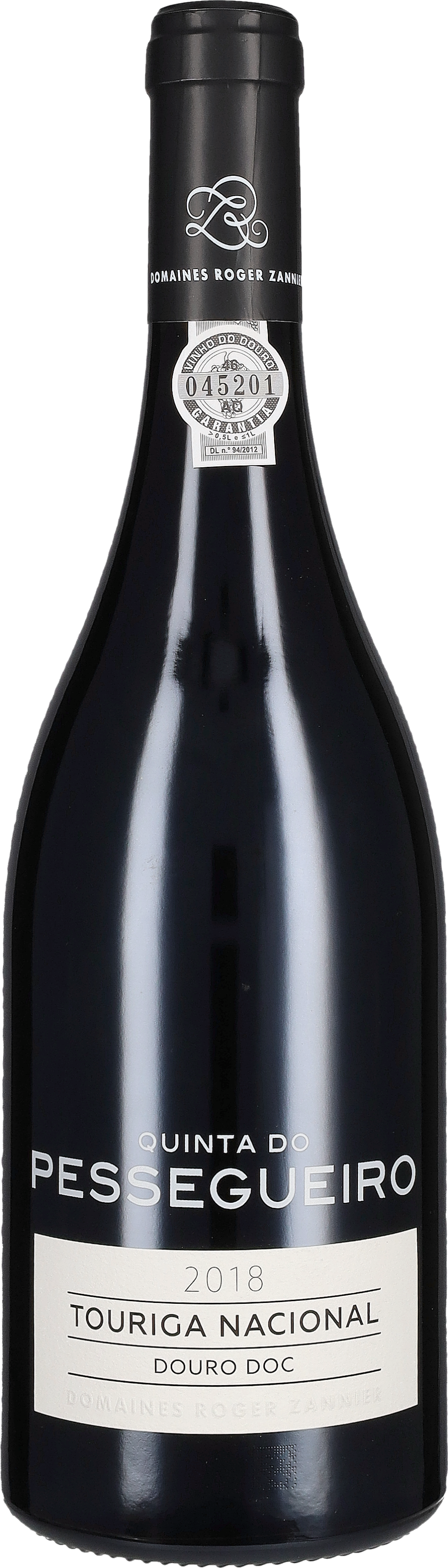
Touriga Nacional Quinta do Pessegueiro 2018The Touriga Nacional from Quinta do Pessegueiro originates in Portugal in the northeastern part of the country, bordering Spain. The Douro region hosts the highest concentration of vineyard land in the country, as the area has over two thousand years of history in grape cultivation, dating back to the Roman conquest of the Iberian Peninsula. The estate was purchased in 1991 by Roger Zannier, who was professionally engaged in the textile sector but has always been passionate about the world of viticulture: the project was to enhance the territory again in the Cima Corgo area, choosing to follow traditional winemaking methods while always looking to the future. Also interesting is the architecture of the building, chosen to take advantage of the natural gravity for the arrival of the grapes in the cellar before their processing. The production is managed by son-in-law Marc Monrose, who has experience in Burgundy, ensuring excellent quality in the final product.between 86 and 300 meters above sea level with a calibrated solar exposure that allows the plants to survive the typical summer drought: the plants push their roots very deep to find natural aquifers and ensure nourishment and hydration. The local mountain ranges protect the rows from the influence of ocean breezes, ensuring a lower concentration of humidity during the winter that could harm the growth and development of the plants. Once the harvest is completed, alcoholic fermentation and malolactic fermentation take place in wood in the cellar, followed by a final aging in barrel for about 12 months.stews, but also with game; interesting also with first courses dressed with important sauces. A product to be enjoyed on summer barbecues in countryside locations with lifelong friends or for the family festive table to savor in the glass a product with authentic and genuine flavors.46,00 £*Shipping: 48,00 £Secure redirect to the provider
-
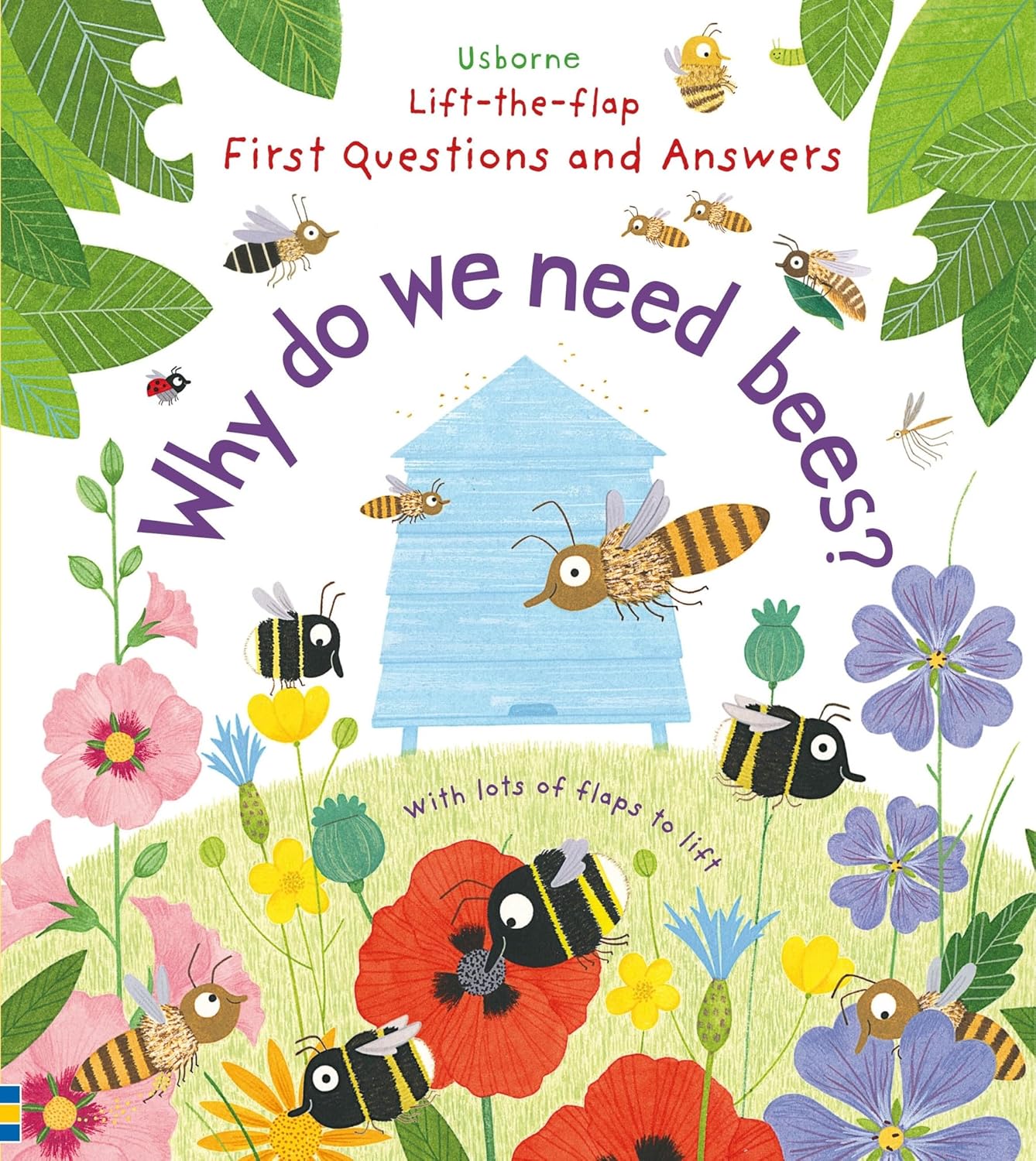
Usborne Lift-The-Flap First Questions and Answers 4 Books Set (Where Do Babies Come From?, What are Feelings?, Why do we need Bees?, Why do things DieUsborne Lift-The-Flap First Questions and Answers 4 Books Set (Where Do Babies Come From?, What are Feelings?, Why do we need Bees?, Why do things Die?) Where Do Babies Come From? A delightful way for young children to discover where babies come from - from baby humans to kittens, caterpillars and kangaroos. Young children can lift the flaps to find out how babies are made, when they are born, what new babies need and how they grow. A charming, age-appropriate introduction to the facts of life to share with young children. What are Feelings? This thoughtful book explores happiness, sadness, anger, fear and worry in a friendly and approachable way for little children. Adorable animal characters experience different emotions, while flaps reveal the answers to important questions such as 'Why don't I feel happy all the time?' and 'How can I cheer up my friend?' Why do we need Bees? Why do we need bees? How do they make honey? And who's who in a beehive? Children can find the answers to these questions and many more in this informative lift-the-flap book. With colourful illustrations, simple text and chunky flaps to lift, young children can discover lots of amazing facts about bees and why they need our help. Why do things Die? A beautiful and gentle look at the circle of life, using Christine Pym's gorgeous animals characters to explore the emotions and facts around death, with questions such as Is it ok to talk about dying? What happens when someone dies? Can I shout and cry and hide away? and How can I stop feeling sad?16,99 £*Shipping: 2,99 £Secure redirect to the provider
-
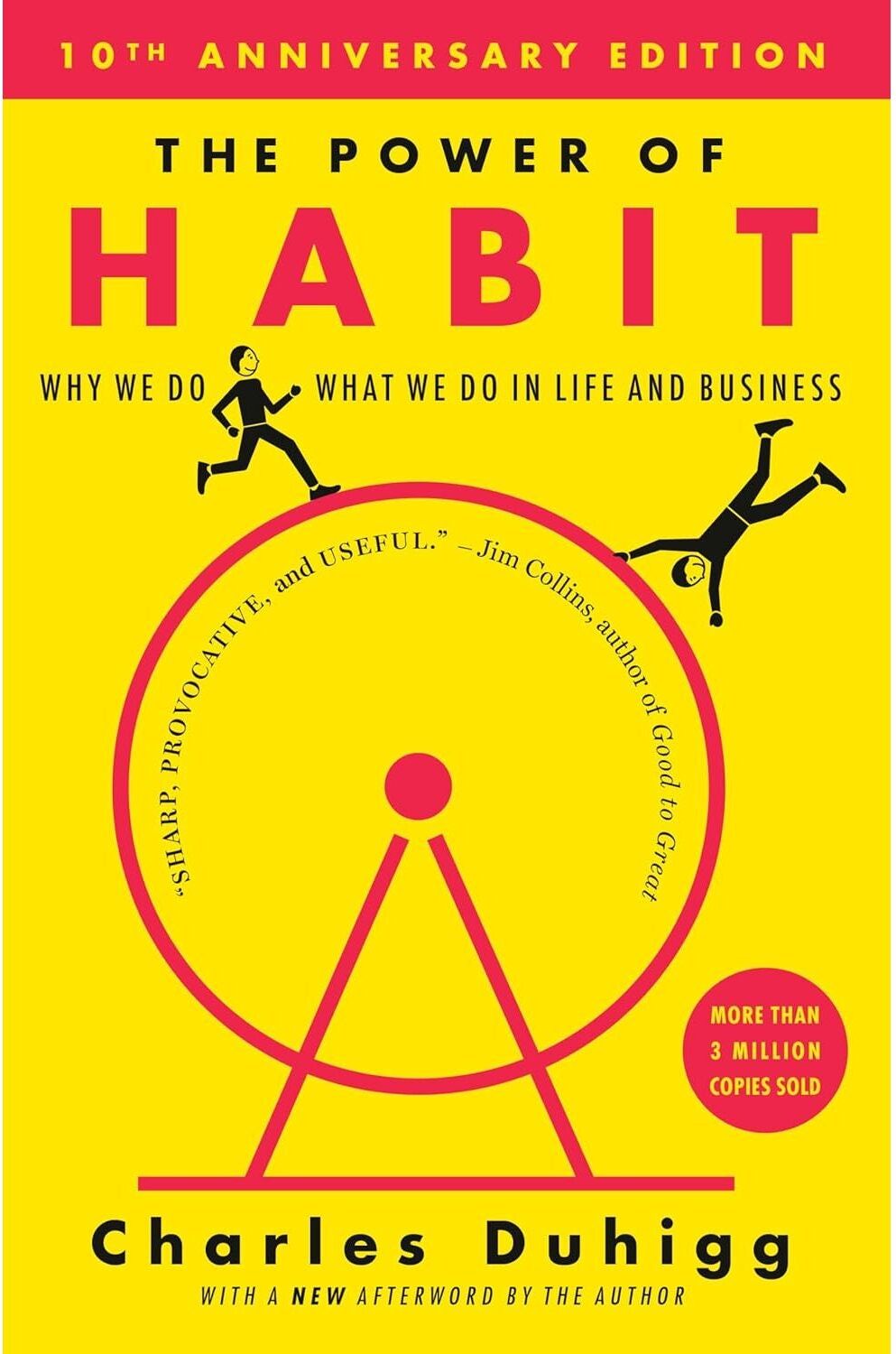
Random House Books The Power of Habit HARDBACK: Why We Do What We Do, and How to ChangeA WALL STREET JOURNAL AND FINANCIAL TIMES BEST BOOK OF THE YEAR In The Power of Habit, award-winning business reporter Charles Duhigg takes us to the thrilling edge of scientific discoveries that explain why habits exist and how they can be changed. Distilling vast amounts of information into engrossing narratives that take us from the boardrooms of Procter & Gamble to the sidelines of the NFL to the front lines of the civil rights movement, Duhigg presents a whole new understanding of human nature and its potential. At its core, The Power of Habit contains an exhilarating argument: The key to exercising regularly, losing weight, being more productive, and achieving success is understanding how habits work. As Duhigg shows, by harnessing this new science, we can transform our businesses, our communities, and our lives.9,49 £*Shipping: 2,99 £Secure redirect to the provider
-
Skip's Garage I Do Cornhole Board Set"Includes: (2) Cornhole Boards & (8) Bags. Easily Choose Your Board Size & Type. Regulation 2x4 = Regulation Size Boards - 24"" Wide x 48"" Long. Premium 2x4 = Regulation Size Tournament Grade Boards - 24"" Wide x 48"" Long."198,99 $*Shipping: 0,00 $Secure redirect to the provider

-
What is the difference between low culture and high culture in history?
Low culture refers to the cultural activities and products that are considered to be more common, popular, and easily accessible to the general public. This can include things like popular music, television shows, and mass-produced literature. On the other hand, high culture refers to the cultural activities and products that are considered to be more refined, sophisticated, and often associated with the elite or educated classes. This can include things like classical music, fine art, and literature that is considered to be more intellectually challenging. The distinction between low and high culture has been a source of debate and has evolved over time, but it generally reflects the social and class divisions within a society. **
-
Why do states like Louisiana or countries like Germany allow hunting?
States like Louisiana and countries like Germany allow hunting for a variety of reasons. Hunting helps to manage wildlife populations, prevent overpopulation, and maintain ecological balance. It also contributes to conservation efforts and generates revenue for wildlife management and conservation programs. Additionally, hunting is deeply rooted in the cultural and traditional practices of these regions, and it provides recreational opportunities for residents and visitors. **
-
Why do so many younger people show so little interest in culture and history?
Many younger people may show little interest in culture and history due to a variety of factors. One reason could be the fast-paced nature of modern life, with technology and social media providing constant distractions. Additionally, the education system may not always prioritize teaching these subjects in an engaging way. Furthermore, younger generations may feel disconnected from traditional cultural and historical narratives that do not resonate with their own experiences and identities. **
-
Does anyone know about the Islamic Golden Age in architecture and culture?
Yes, the Islamic Golden Age was a period of great cultural and architectural achievements in the Islamic world, spanning from the 8th to the 14th century. During this time, Islamic scholars made significant advancements in fields such as mathematics, astronomy, medicine, and philosophy. In terms of architecture, the Islamic world produced stunning examples of mosques, palaces, and other structures, characterized by intricate geometric patterns, domes, and arches. This period also saw the development of beautiful decorative arts such as calligraphy, ceramics, and textiles. Overall, the Islamic Golden Age left a lasting legacy in both architecture and culture. **


Why do people choose mass tourism?
People choose mass tourism for a variety of reasons, including the convenience of pre-packaged itineraries, the opportunity to visit popular and iconic destinations, and the sense of security that comes with traveling in large groups. Mass tourism also often offers competitive pricing and the chance to meet and socialize with other travelers. Additionally, some people may choose mass tourism because it allows them to visit multiple destinations in a short period of time, maximizing their travel experiences. **
Is mass tourism a necessary economic factor or a destruction of culture and environment?
Mass tourism can be seen as a necessary economic factor as it brings in revenue and creates jobs in the tourism industry. However, it can also be destructive to culture and the environment if not managed properly. Overcrowding, pollution, and the commercialization of local traditions can lead to the degradation of cultural heritage and natural resources. Therefore, it is important to strike a balance between the economic benefits of mass tourism and the preservation of culture and the environment. **
Top-Angebote
Products related to Do:
-
'Do ut Des' Carpineta Fontalpino 2017Nestled among the hills of Montaperti, in the heart of Tuscany, stands 'Do Ut Des,' the most precious wine of the Carpineta Fontalpino winery. Filippo, Gioia, and Sara Cresti, custodians of this historic cellar, work with passion and dedication to create a red of excellence. The name itself, 'Do Ut Des,' reflects Carpineta Fontalpino's philosophy of sacrifice, embodying the essence of this bold, mineral, and aromatically persistent red: “I give so that I may be given,” a prayer of gratitude and hope towards one's own land. With a blend of Cabernet Sauvignon, Merlot, and Petit Verdot, this label pays homage to Tuscan winemaking tradition and the mastery of its producers. The vineyards of Carpineta Fontalpino are located in a privileged terroir, characterized by soil with good stony skeleton at an altitude ranging from 220 to 380 meters above sea level. Vinification begins with careful grape selection, with a 20-day maceration for Merlot and Cabernet and an 18-day maceration for Sangiovese. Subsequently, the wine matures for 18 months in 225-liter oak barrels, followed by further refinement in the bottle for 6 months. This artisanal process gives 'Do Ut Des' its unique complexity and structure, ensuring consistent excellence in every vintage. In the glass, Carpineta Fontalpino's 'Do Ut Des' presents itself with an intense ruby red color and a broad and elegant bouquet, characterized by notes of plum, licorice, and blackberry, floral hints, and nuances of toasted oak. On the palate, it reveals itself bold and rich, with soft tannins and a long and powerful finish. This Tuscan red of great personality pairs magnificently with meat-based dishes, adding a touch of refinement and flavor to every convivial moment. 'Do Ut Des' is more than just a wine; it is an authentic expression of the territory and the winemaking passion of the Cresti family, a tribute to the beauty and tradition of Tuscany.37,00 £*Shipping: 48,00 £Secure redirect to the provider
-
Touriga Nacional Quinta do Pessegueiro 2018The Touriga Nacional from Quinta do Pessegueiro originates in Portugal in the northeastern part of the country, bordering Spain. The Douro region hosts the highest concentration of vineyard land in the country, as the area has over two thousand years of history in grape cultivation, dating back to the Roman conquest of the Iberian Peninsula. The estate was purchased in 1991 by Roger Zannier, who was professionally engaged in the textile sector but has always been passionate about the world of viticulture: the project was to enhance the territory again in the Cima Corgo area, choosing to follow traditional winemaking methods while always looking to the future. Also interesting is the architecture of the building, chosen to take advantage of the natural gravity for the arrival of the grapes in the cellar before their processing. The production is managed by son-in-law Marc Monrose, who has experience in Burgundy, ensuring excellent quality in the final product.between 86 and 300 meters above sea level with a calibrated solar exposure that allows the plants to survive the typical summer drought: the plants push their roots very deep to find natural aquifers and ensure nourishment and hydration. The local mountain ranges protect the rows from the influence of ocean breezes, ensuring a lower concentration of humidity during the winter that could harm the growth and development of the plants. Once the harvest is completed, alcoholic fermentation and malolactic fermentation take place in wood in the cellar, followed by a final aging in barrel for about 12 months.stews, but also with game; interesting also with first courses dressed with important sauces. A product to be enjoyed on summer barbecues in countryside locations with lifelong friends or for the family festive table to savor in the glass a product with authentic and genuine flavors.46,00 £*Shipping: 48,00 £Secure redirect to the provider
-
Usborne Lift-The-Flap First Questions and Answers 4 Books Set (Where Do Babies Come From?, What are Feelings?, Why do we need Bees?, Why do things DieUsborne Lift-The-Flap First Questions and Answers 4 Books Set (Where Do Babies Come From?, What are Feelings?, Why do we need Bees?, Why do things Die?) Where Do Babies Come From? A delightful way for young children to discover where babies come from - from baby humans to kittens, caterpillars and kangaroos. Young children can lift the flaps to find out how babies are made, when they are born, what new babies need and how they grow. A charming, age-appropriate introduction to the facts of life to share with young children. What are Feelings? This thoughtful book explores happiness, sadness, anger, fear and worry in a friendly and approachable way for little children. Adorable animal characters experience different emotions, while flaps reveal the answers to important questions such as 'Why don't I feel happy all the time?' and 'How can I cheer up my friend?' Why do we need Bees? Why do we need bees? How do they make honey? And who's who in a beehive? Children can find the answers to these questions and many more in this informative lift-the-flap book. With colourful illustrations, simple text and chunky flaps to lift, young children can discover lots of amazing facts about bees and why they need our help. Why do things Die? A beautiful and gentle look at the circle of life, using Christine Pym's gorgeous animals characters to explore the emotions and facts around death, with questions such as Is it ok to talk about dying? What happens when someone dies? Can I shout and cry and hide away? and How can I stop feeling sad?16,99 £*Shipping: 2,99 £Secure redirect to the provider
-
What are electricity and high culture history?
Electricity history refers to the development and use of electricity as a form of energy, including the discovery of electricity, the invention of electric devices, and the establishment of electrical systems. High culture history, on the other hand, refers to the history of cultural and artistic achievements that are considered to be of high quality and sophistication, such as classical music, literature, fine arts, and theater. Both electricity and high culture history have evolved over time, shaping the way we live and appreciate the world around us. **
-
What do you think about Turkey in terms of history and culture?
Turkey has a rich and diverse history, being the center of several ancient civilizations such as the Hittites, Greeks, Romans, and Byzantines. This has resulted in a unique and varied cultural heritage, with influences from both Europe and Asia. The country is also known for its vibrant and colorful traditions, delicious cuisine, and stunning architecture, including the iconic Hagia Sophia and the Blue Mosque. Overall, Turkey's history and culture are incredibly fascinating and have left a lasting impact on the world. **
-
What is the difference between low culture and high culture in history?
Low culture refers to the cultural activities and products that are considered to be more common, popular, and easily accessible to the general public. This can include things like popular music, television shows, and mass-produced literature. On the other hand, high culture refers to the cultural activities and products that are considered to be more refined, sophisticated, and often associated with the elite or educated classes. This can include things like classical music, fine art, and literature that is considered to be more intellectually challenging. The distinction between low and high culture has been a source of debate and has evolved over time, but it generally reflects the social and class divisions within a society. **
-
Why do states like Louisiana or countries like Germany allow hunting?
States like Louisiana and countries like Germany allow hunting for a variety of reasons. Hunting helps to manage wildlife populations, prevent overpopulation, and maintain ecological balance. It also contributes to conservation efforts and generates revenue for wildlife management and conservation programs. Additionally, hunting is deeply rooted in the cultural and traditional practices of these regions, and it provides recreational opportunities for residents and visitors. **
Similar search terms for Do
-
Random House Books The Power of Habit HARDBACK: Why We Do What We Do, and How to ChangeA WALL STREET JOURNAL AND FINANCIAL TIMES BEST BOOK OF THE YEAR In The Power of Habit, award-winning business reporter Charles Duhigg takes us to the thrilling edge of scientific discoveries that explain why habits exist and how they can be changed. Distilling vast amounts of information into engrossing narratives that take us from the boardrooms of Procter & Gamble to the sidelines of the NFL to the front lines of the civil rights movement, Duhigg presents a whole new understanding of human nature and its potential. At its core, The Power of Habit contains an exhilarating argument: The key to exercising regularly, losing weight, being more productive, and achieving success is understanding how habits work. As Duhigg shows, by harnessing this new science, we can transform our businesses, our communities, and our lives.9,49 £*Shipping: 2,99 £Secure redirect to the provider
-
Skip's Garage I Do Cornhole Board Set"Includes: (2) Cornhole Boards & (8) Bags. Easily Choose Your Board Size & Type. Regulation 2x4 = Regulation Size Boards - 24"" Wide x 48"" Long. Premium 2x4 = Regulation Size Tournament Grade Boards - 24"" Wide x 48"" Long."198,99 $*Shipping: 0,00 $Secure redirect to the provider
-
Skip's Garage I Do Cornhole Board Set"Includes: (2) Cornhole Boards & (8) Bags. Easily Choose Your Board Size & Type. Regulation 2x4 = Regulation Size Boards - 24"" Wide x 48"" Long. Premium 2x4 = Regulation Size Tournament Grade Boards - 24"" Wide x 48"" Long."226,99 $*Shipping: 0,00 $Secure redirect to the provider
-
Skip's Garage I Do Cornhole Board Set"Includes: (2) Cornhole Boards & (8) Bags. Easily Choose Your Board Size & Type. Regulation 2x4 = Regulation Size Boards - 24"" Wide x 48"" Long. Premium 2x4 = Regulation Size Tournament Grade Boards - 24"" Wide x 48"" Long."229,49 $*Shipping: 0,00 $Secure redirect to the provider
-
Why do so many younger people show so little interest in culture and history?
Many younger people may show little interest in culture and history due to a variety of factors. One reason could be the fast-paced nature of modern life, with technology and social media providing constant distractions. Additionally, the education system may not always prioritize teaching these subjects in an engaging way. Furthermore, younger generations may feel disconnected from traditional cultural and historical narratives that do not resonate with their own experiences and identities. **
-
Does anyone know about the Islamic Golden Age in architecture and culture?
Yes, the Islamic Golden Age was a period of great cultural and architectural achievements in the Islamic world, spanning from the 8th to the 14th century. During this time, Islamic scholars made significant advancements in fields such as mathematics, astronomy, medicine, and philosophy. In terms of architecture, the Islamic world produced stunning examples of mosques, palaces, and other structures, characterized by intricate geometric patterns, domes, and arches. This period also saw the development of beautiful decorative arts such as calligraphy, ceramics, and textiles. Overall, the Islamic Golden Age left a lasting legacy in both architecture and culture. **
-
Why do people choose mass tourism?
People choose mass tourism for a variety of reasons, including the convenience of pre-packaged itineraries, the opportunity to visit popular and iconic destinations, and the sense of security that comes with traveling in large groups. Mass tourism also often offers competitive pricing and the chance to meet and socialize with other travelers. Additionally, some people may choose mass tourism because it allows them to visit multiple destinations in a short period of time, maximizing their travel experiences. **
-
Is mass tourism a necessary economic factor or a destruction of culture and environment?
Mass tourism can be seen as a necessary economic factor as it brings in revenue and creates jobs in the tourism industry. However, it can also be destructive to culture and the environment if not managed properly. Overcrowding, pollution, and the commercialization of local traditions can lead to the degradation of cultural heritage and natural resources. Therefore, it is important to strike a balance between the economic benefits of mass tourism and the preservation of culture and the environment. **
* All prices are inclusive of VAT and, if applicable, plus shipping costs. The offer information is based on the details provided by the respective shop and is updated through automated processes. Real-time updates do not occur, so deviations can occur in individual cases. ** Note: Parts of this content were created by AI.