Buy castlelouisiana.com ?
We are moving the project
castlelouisiana.com .
Are you interested in purchasing the domain
castlelouisiana.com ?
domain@kv-gmbh.de · 0541-91531010
Buy castlelouisiana.com ?
What exactly is ergonomics?
Ergonomics is the study of designing and arranging things people use so that the people and things interact most efficiently and safely. It focuses on creating products, systems, and environments that are comfortable, efficient, and user-friendly. By considering the capabilities and limitations of people in relation to their work and surroundings, ergonomics aims to optimize human well-being and overall system performance. **
What is ergonomics in printers?
Ergonomics in printers refers to the design and arrangement of printers to optimize user comfort, efficiency, and safety. This includes factors such as the placement of controls, ease of paper loading, and accessibility of maintenance areas. By considering ergonomics in printer design, manufacturers aim to reduce user fatigue, minimize the risk of injury, and enhance overall user experience. **

Similar search terms for Ergonomics
Top-Angebote
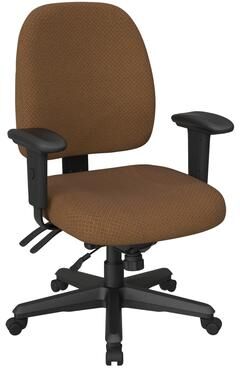
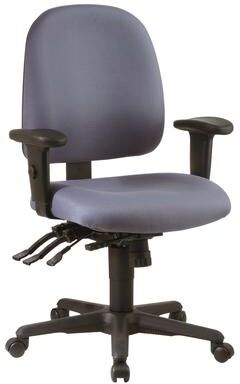
Products related to Ergonomics:



-
What game ideas are there for the topics of ergonomics, spatial planning, and furniture?
For the topic of ergonomics, a game idea could be a simulation game where players design and arrange a virtual workspace to maximize comfort and efficiency, while considering ergonomic principles such as proper posture and equipment placement. For spatial planning, a game could involve designing and organizing a virtual living space, such as a room or house, to optimize functionality and aesthetics within a given budget or space constraints. As for furniture, a game idea could be a virtual interior design challenge where players select and arrange furniture pieces to create stylish and functional room layouts, while considering factors such as scale, proportion, and traffic flow. **
-
What are electricity and high culture history?
Electricity history refers to the development and use of electricity as a form of energy, including the discovery of electricity, the invention of electric devices, and the establishment of electrical systems. High culture history, on the other hand, refers to the history of cultural and artistic achievements that are considered to be of high quality and sophistication, such as classical music, literature, fine arts, and theater. Both electricity and high culture history have evolved over time, shaping the way we live and appreciate the world around us. **
-
What is the difference between low culture and high culture in history?
Low culture refers to the cultural activities and products that are considered to be more common, popular, and easily accessible to the general public. This can include things like popular music, television shows, and mass-produced literature. On the other hand, high culture refers to the cultural activities and products that are considered to be more refined, sophisticated, and often associated with the elite or educated classes. This can include things like classical music, fine art, and literature that is considered to be more intellectually challenging. The distinction between low and high culture has been a source of debate and has evolved over time, but it generally reflects the social and class divisions within a society. **
-
Does anyone know about the Islamic Golden Age in architecture and culture?
Yes, the Islamic Golden Age was a period of great cultural and architectural achievements in the Islamic world, spanning from the 8th to the 14th century. During this time, Islamic scholars made significant advancements in fields such as mathematics, astronomy, medicine, and philosophy. In terms of architecture, the Islamic world produced stunning examples of mosques, palaces, and other structures, characterized by intricate geometric patterns, domes, and arches. This period also saw the development of beautiful decorative arts such as calligraphy, ceramics, and textiles. Overall, the Islamic Golden Age left a lasting legacy in both architecture and culture. **

Is mass tourism a necessary economic factor or a destruction of culture and environment?
Mass tourism can be seen as a necessary economic factor as it brings in revenue and creates jobs in the tourism industry. However, it can also be destructive to culture and the environment if not managed properly. Overcrowding, pollution, and the commercialization of local traditions can lead to the degradation of cultural heritage and natural resources. Therefore, it is important to strike a balance between the economic benefits of mass tourism and the preservation of culture and the environment. **
What is a question about the history of Romanesque architecture?
How did Romanesque architecture evolve from the earlier Carolingian and Byzantine styles? **
Top-Angebote
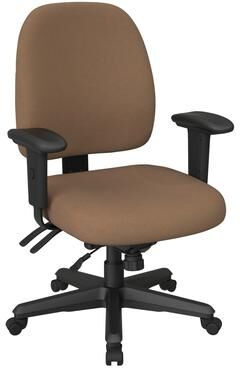
Products related to Ergonomics:
-
HULALA HOME Eliot Modern Faux Leather Ergonomics Chair with casters - N/AThe modern home office chair boasts ergonomic design with faux leather upholstery for a sleek aesthetic. It features SGS International Certified Stainless Steel Gas Springs, ensuring durability and smooth adjustability.236,14 $*Shipping: 0,00 $Secure redirect to the provider
-
What exactly is ergonomics?
Ergonomics is the study of designing and arranging things people use so that the people and things interact most efficiently and safely. It focuses on creating products, systems, and environments that are comfortable, efficient, and user-friendly. By considering the capabilities and limitations of people in relation to their work and surroundings, ergonomics aims to optimize human well-being and overall system performance. **
-
What is ergonomics in printers?
Ergonomics in printers refers to the design and arrangement of printers to optimize user comfort, efficiency, and safety. This includes factors such as the placement of controls, ease of paper loading, and accessibility of maintenance areas. By considering ergonomics in printer design, manufacturers aim to reduce user fatigue, minimize the risk of injury, and enhance overall user experience. **
-
What game ideas are there for the topics of ergonomics, spatial planning, and furniture?
For the topic of ergonomics, a game idea could be a simulation game where players design and arrange a virtual workspace to maximize comfort and efficiency, while considering ergonomic principles such as proper posture and equipment placement. For spatial planning, a game could involve designing and organizing a virtual living space, such as a room or house, to optimize functionality and aesthetics within a given budget or space constraints. As for furniture, a game idea could be a virtual interior design challenge where players select and arrange furniture pieces to create stylish and functional room layouts, while considering factors such as scale, proportion, and traffic flow. **
-
What are electricity and high culture history?
Electricity history refers to the development and use of electricity as a form of energy, including the discovery of electricity, the invention of electric devices, and the establishment of electrical systems. High culture history, on the other hand, refers to the history of cultural and artistic achievements that are considered to be of high quality and sophistication, such as classical music, literature, fine arts, and theater. Both electricity and high culture history have evolved over time, shaping the way we live and appreciate the world around us. **
Similar search terms for Ergonomics
-
What is the difference between low culture and high culture in history?
Low culture refers to the cultural activities and products that are considered to be more common, popular, and easily accessible to the general public. This can include things like popular music, television shows, and mass-produced literature. On the other hand, high culture refers to the cultural activities and products that are considered to be more refined, sophisticated, and often associated with the elite or educated classes. This can include things like classical music, fine art, and literature that is considered to be more intellectually challenging. The distinction between low and high culture has been a source of debate and has evolved over time, but it generally reflects the social and class divisions within a society. **
-
Does anyone know about the Islamic Golden Age in architecture and culture?
Yes, the Islamic Golden Age was a period of great cultural and architectural achievements in the Islamic world, spanning from the 8th to the 14th century. During this time, Islamic scholars made significant advancements in fields such as mathematics, astronomy, medicine, and philosophy. In terms of architecture, the Islamic world produced stunning examples of mosques, palaces, and other structures, characterized by intricate geometric patterns, domes, and arches. This period also saw the development of beautiful decorative arts such as calligraphy, ceramics, and textiles. Overall, the Islamic Golden Age left a lasting legacy in both architecture and culture. **
-
Is mass tourism a necessary economic factor or a destruction of culture and environment?
Mass tourism can be seen as a necessary economic factor as it brings in revenue and creates jobs in the tourism industry. However, it can also be destructive to culture and the environment if not managed properly. Overcrowding, pollution, and the commercialization of local traditions can lead to the degradation of cultural heritage and natural resources. Therefore, it is important to strike a balance between the economic benefits of mass tourism and the preservation of culture and the environment. **
-
What is a question about the history of Romanesque architecture?
How did Romanesque architecture evolve from the earlier Carolingian and Byzantine styles? **
* All prices are inclusive of VAT and, if applicable, plus shipping costs. The offer information is based on the details provided by the respective shop and is updated through automated processes. Real-time updates do not occur, so deviations can occur in individual cases. ** Note: Parts of this content were created by AI.