Buy castlelouisiana.com ?
We are moving the project
castlelouisiana.com .
Are you interested in purchasing the domain
castlelouisiana.com ?
domain@kv-gmbh.de · 0541-91531010
Buy castlelouisiana.com ?
What are mitochondria?
Mitochondria are membrane-bound organelles found in the cells of most eukaryotic organisms. They are often referred to as the powerhouse of the cell because they are responsible for producing the majority of the cell's energy in the form of adenosine triphosphate (ATP) through a process called cellular respiration. Mitochondria have their own DNA and are believed to have originated from ancient bacteria that were engulfed by a primitive eukaryotic cell through a process called endosymbiosis. They play a crucial role in various cellular functions, including metabolism, signaling, and cell death. **
Why are mitochondria important?
Mitochondria are important because they are the powerhouse of the cell, producing the majority of the cell's energy in the form of ATP through the process of cellular respiration. This energy is essential for various cellular functions, including growth, repair, and division. Additionally, mitochondria play a crucial role in regulating cell metabolism, signaling, and cell death. Dysfunction of mitochondria has been linked to various diseases, highlighting their importance in overall cellular health and function. **

Similar search terms for Mitochondria
Top-Angebote
Products related to Mitochondria:
-
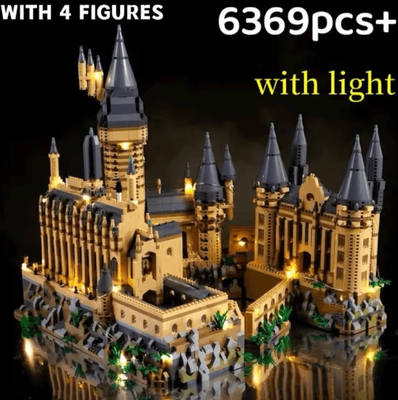
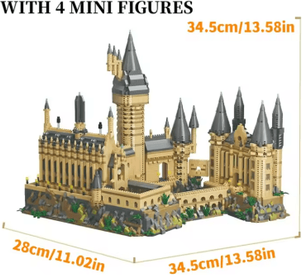
Inspire Curations Creative Medieval Magic Castle Micro Building Blocks School Architecture Palace DIY Set no LightStep into a world of imagination and craftsmanship with this intricate medieval castle building blocks set designed for creative minds. Built with precision micro bricks, this micro building blocks castle offers a detailed and rewarding assembly...225,50 $*Shipping: 0,00 $Secure redirect to the provider
-
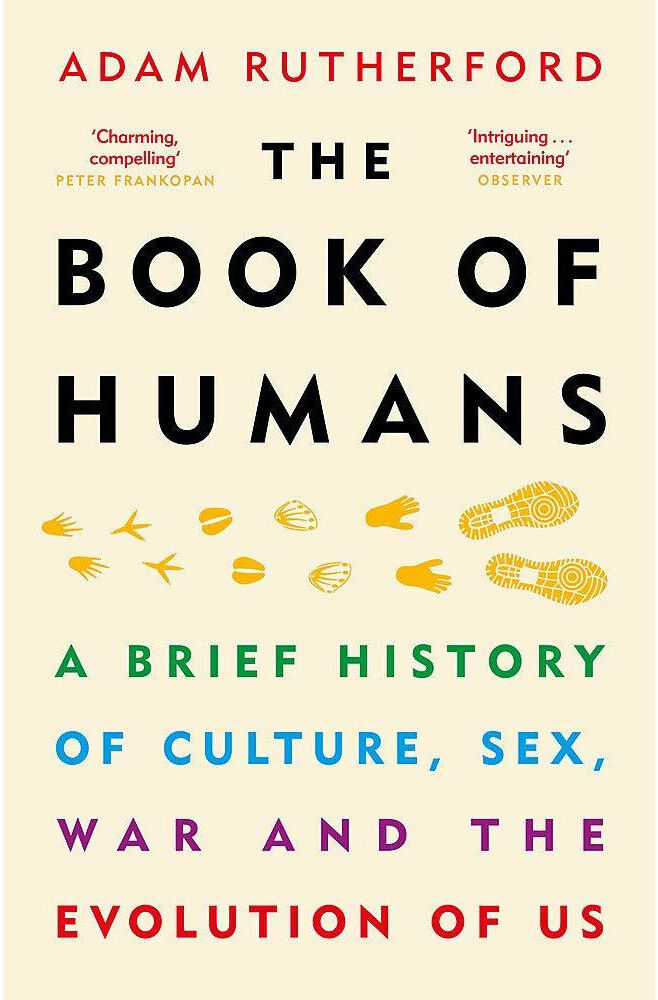
Orion The Book of Humans by Adam Rutherford – A Brief History of Culture, Sex, War & EvolutionWHAT MAKES US HUMAN? Waging war? Sex for pleasure? Creating art? Mastery of fire? In this thrilling tour of the animal kingdom, Adam Rutherford tells the story of how we became the unique creatures we are today. Illuminated by the latest scientific discoveries, THE BOOK OF HUMANS is a dazzling compendium of what unequivocally fixes us as animals, and reveals how we are extraordinary among them.4,98 £*Shipping: 1,99 £Secure redirect to the provider
-
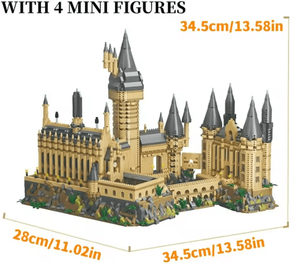
Uplift Essentials Medieval Magic Castle Micro Bricks School Architecture Palace Model High Yield Creative Interaction Hub with LightAchieve imagination optimization with this Precision MicroBrick Magic Castle. Specifically engineered for structural transparency, this highperformance technical tool acts as a vital tool for assembly efficiency, neutralizing the limitations of...226,97 $*Shipping: 0,00 $Secure redirect to the provider
-
Timeline Refresh 2026 - Clutch Box by Zygomatic, Card Game for 2-4 Players, Ages 10+, History and Culture TriviaTest your knowledge of history, culture, and everyday events with Timeline Refresh 2026, a compact card game for family and friends. Each round challenges players to place event cards in the correct chronological position, using the timeline already on the table as their guide. Choose an event card, estimate when it happened, and add it to the timeline. If your placement is correct, the card remains in play; if not, it is removed. The first player to position all their cards correctly wins. The game's accessible rules and varied subject matter make it an engaging way to challenge your memory and learn interesting facts while playing. The clutch box format is designed for convenient storage and portability.10,59 £*Shipping: 3,95 £Secure redirect to the provider

-
How are mitochondria formed?
Mitochondria are formed through a process called mitochondrial biogenesis, which involves the growth and division of existing mitochondria. Mitochondria have their own DNA and can replicate independently of the cell's nucleus. When a cell needs more energy, it signals for the production of new mitochondria through a complex interplay of signaling pathways and regulatory proteins. This process ensures that the cell has an adequate supply of mitochondria to meet its energy demands. **
-
How did mitochondria originate?
Mitochondria are believed to have originated from a symbiotic relationship between an ancestral eukaryotic cell and an ancient prokaryotic organism, specifically an alpha-proteobacteria. This symbiotic relationship is thought to have occurred around 1.5 billion years ago, with the prokaryotic organism being engulfed by the eukaryotic cell but not digested. Over time, this prokaryotic organism evolved into the mitochondria we see in eukaryotic cells today. This theory is supported by the fact that mitochondria have their own DNA, similar to that of bacteria, and replicate independently of the host cell. **
-
What are mitochondria and chloroplasts?
Mitochondria are membrane-bound organelles found in the cells of eukaryotic organisms, responsible for producing energy in the form of ATP through cellular respiration. They have their own DNA and are thought to have originated from ancient bacteria through endosymbiosis. Chloroplasts are also membrane-bound organelles found in plant cells and some protists, responsible for photosynthesis, the process by which they convert sunlight into energy-rich molecules like glucose. Like mitochondria, chloroplasts also have their own DNA and are believed to have originated from ancient photosynthetic bacteria through endosymbiosis. **
-
Do all cells have mitochondria?
No, not all cells have mitochondria. Mitochondria are organelles found in eukaryotic cells, which are cells that have a true nucleus and membrane-bound organelles. Prokaryotic cells, such as bacteria, do not have mitochondria. Additionally, some eukaryotic cells, like red blood cells, lose their mitochondria as they mature. **
Do animal cells have mitochondria?
Yes, animal cells do have mitochondria. Mitochondria are known as the powerhouse of the cell because they are responsible for producing energy in the form of ATP through a process called cellular respiration. This organelle is found in most eukaryotic cells, including animal cells, and plays a crucial role in metabolism and energy production. **
What are mitochondria in biology?
Mitochondria are membrane-bound organelles found in the cytoplasm of eukaryotic cells. They are often referred to as the "powerhouses" of the cell because they are responsible for producing the majority of the cell's energy in the form of adenosine triphosphate (ATP) through the process of cellular respiration. Mitochondria also play a role in regulating cellular metabolism, signaling, and cell death. They contain their own DNA and are believed to have originated from an ancient symbiotic relationship between a eukaryotic cell and a prokaryotic organism. **
Top-Angebote
Products related to Mitochondria:
-
From the Archives: Black History and Culture Value PackThis brand-new series is rooted in a profound commitment to shedding light on some of the important -- and often lesser-known -- aspects of Black history. From the Archives features landmarks, events, people, and artistic endeavors that have played...27,99 $*Shipping: 0,00 $Secure redirect to the provider
-
Inspire Picks Medieval Magic Castle Micro Building Block Set For Creative Architecture Play with LightEnter a world of fantasy, imagination, and handson creativity with this enchanting magic castle building block set inspired by medieval palaces and grand schoolstyle architecture. Designed with precision micro bricks, this detailed MOC construction...171,03 $*Shipping: 0,00 $Secure redirect to the provider
-
Inspire Curations Creative Medieval Magic Castle Micro Building Blocks School Architecture Palace DIY Set no LightStep into a world of imagination and craftsmanship with this intricate medieval castle building blocks set designed for creative minds. Built with precision micro bricks, this micro building blocks castle offers a detailed and rewarding assembly...225,50 $*Shipping: 0,00 $Secure redirect to the provider
-
Orion The Book of Humans by Adam Rutherford – A Brief History of Culture, Sex, War & EvolutionWHAT MAKES US HUMAN? Waging war? Sex for pleasure? Creating art? Mastery of fire? In this thrilling tour of the animal kingdom, Adam Rutherford tells the story of how we became the unique creatures we are today. Illuminated by the latest scientific discoveries, THE BOOK OF HUMANS is a dazzling compendium of what unequivocally fixes us as animals, and reveals how we are extraordinary among them.4,98 £*Shipping: 1,99 £Secure redirect to the provider
-
What are mitochondria?
Mitochondria are membrane-bound organelles found in the cells of most eukaryotic organisms. They are often referred to as the powerhouse of the cell because they are responsible for producing the majority of the cell's energy in the form of adenosine triphosphate (ATP) through a process called cellular respiration. Mitochondria have their own DNA and are believed to have originated from ancient bacteria that were engulfed by a primitive eukaryotic cell through a process called endosymbiosis. They play a crucial role in various cellular functions, including metabolism, signaling, and cell death. **
-
Why are mitochondria important?
Mitochondria are important because they are the powerhouse of the cell, producing the majority of the cell's energy in the form of ATP through the process of cellular respiration. This energy is essential for various cellular functions, including growth, repair, and division. Additionally, mitochondria play a crucial role in regulating cell metabolism, signaling, and cell death. Dysfunction of mitochondria has been linked to various diseases, highlighting their importance in overall cellular health and function. **
-
How are mitochondria formed?
Mitochondria are formed through a process called mitochondrial biogenesis, which involves the growth and division of existing mitochondria. Mitochondria have their own DNA and can replicate independently of the cell's nucleus. When a cell needs more energy, it signals for the production of new mitochondria through a complex interplay of signaling pathways and regulatory proteins. This process ensures that the cell has an adequate supply of mitochondria to meet its energy demands. **
-
How did mitochondria originate?
Mitochondria are believed to have originated from a symbiotic relationship between an ancestral eukaryotic cell and an ancient prokaryotic organism, specifically an alpha-proteobacteria. This symbiotic relationship is thought to have occurred around 1.5 billion years ago, with the prokaryotic organism being engulfed by the eukaryotic cell but not digested. Over time, this prokaryotic organism evolved into the mitochondria we see in eukaryotic cells today. This theory is supported by the fact that mitochondria have their own DNA, similar to that of bacteria, and replicate independently of the host cell. **
Similar search terms for Mitochondria
-
Uplift Essentials Medieval Magic Castle Micro Bricks School Architecture Palace Model High Yield Creative Interaction Hub with LightAchieve imagination optimization with this Precision MicroBrick Magic Castle. Specifically engineered for structural transparency, this highperformance technical tool acts as a vital tool for assembly efficiency, neutralizing the limitations of...226,97 $*Shipping: 0,00 $Secure redirect to the provider
-
Timeline Refresh 2026 - Clutch Box by Zygomatic, Card Game for 2-4 Players, Ages 10+, History and Culture TriviaTest your knowledge of history, culture, and everyday events with Timeline Refresh 2026, a compact card game for family and friends. Each round challenges players to place event cards in the correct chronological position, using the timeline already on the table as their guide. Choose an event card, estimate when it happened, and add it to the timeline. If your placement is correct, the card remains in play; if not, it is removed. The first player to position all their cards correctly wins. The game's accessible rules and varied subject matter make it an engaging way to challenge your memory and learn interesting facts while playing. The clutch box format is designed for convenient storage and portability.10,59 £*Shipping: 3,95 £Secure redirect to the provider
-
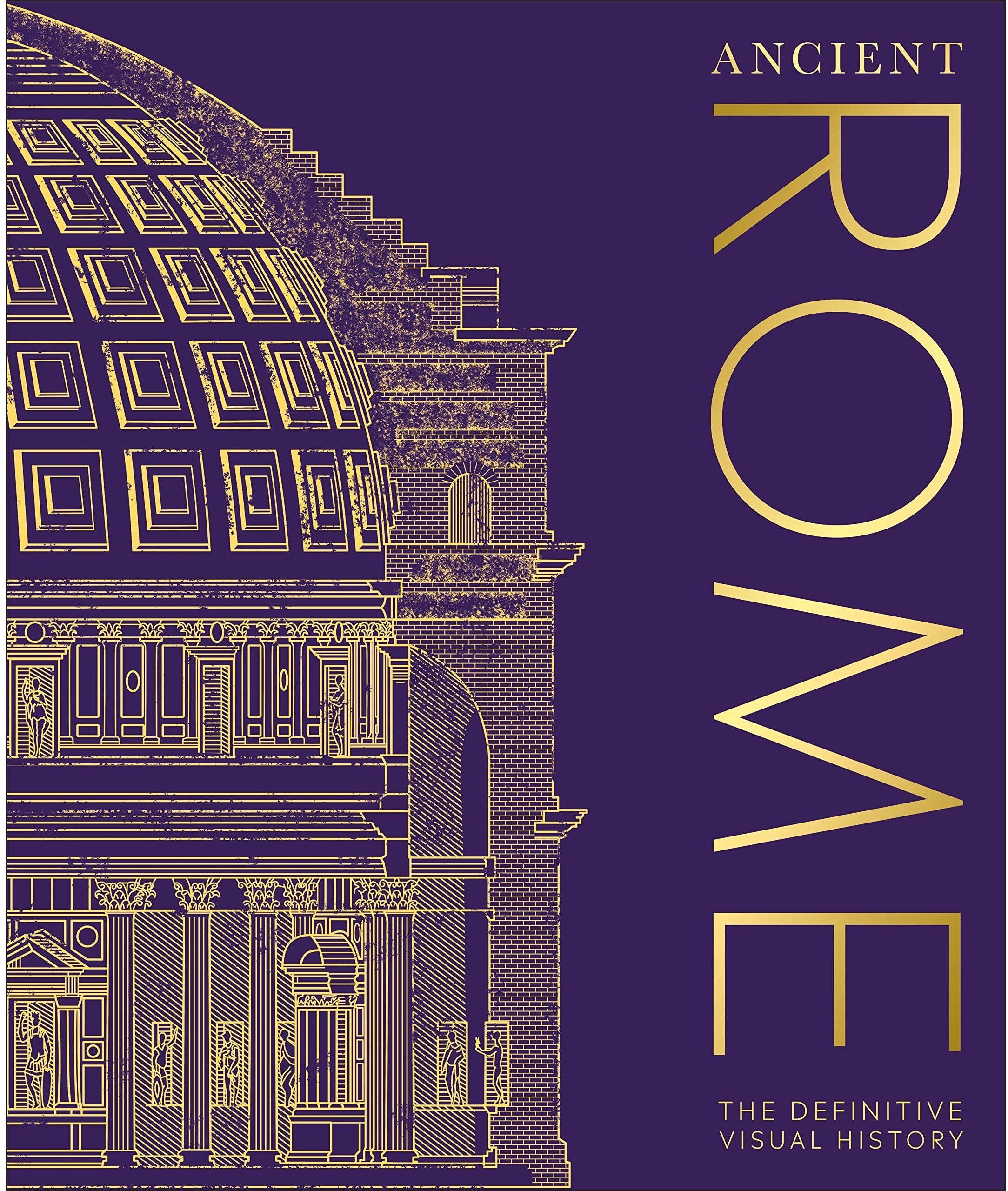
Ancient Rome: The Definitive Visual History (DK Classic History)Immerse yourself in the history of ancient Rome - from its origins as a small settlement on the Palatine Hill to its peak as an empire reigning over 90 million people, and its tumultuous decline. Covering more than 1,000 years of history, and an empire that stretched from Scotland to Syria, Ancient Rome reveals in vivid detail all of the key political, cultural, and military events that shaped the Roman Empire and explores what it was like to live in a society that laid the foundations for many aspects of the modern world. Sumptuous photography and engaging text cover every facet of life in ancient Rome, from art, entertainment, and fashion to engineering, medicine, and war, while detailed maps trace the rise of the mighty Roman Empire. Step back in time in the pages of this history book to discover:- Themed spreads explore developments in areas such as sculpture, religion, warfare, and engineering. - Includes tales of the most dramatic events and battles in Roman history, as well as profiles of influential historical and cultural figures. - An optional 80pp reference section includes sections on rulers, gods and goddesses, and key sites. Featuring Rome's greatest emperors, from Augustus to Constantine, as well as profiles of generals, historians, and influential women, Ancient Rome also delves into the fascinating stories of gladiators, bakers, and enslaved people. The most iconic buildings of Rome are brought to life with specially commissioned CGI recreations, while the stories of ordinary citizens, soldiers, and persecuted groups from across the empire are told with the help of illustrations, artefacts, and eyewitness accounts. Beautifully illustrated and unparalleled in scope, Ancient Rome is the perfect book for anyone who is interested in this defining period of world history.19,95 £*Shipping: 2,99 £Secure redirect to the provider
-
Inspire Picks Medieval Magic Castle Micro Building Block Set For Creative Architecture Play no LightEnter a world of fantasy, imagination, and handson creativity with this enchanting magic castle building block set inspired by medieval palaces and grand schoolstyle architecture. Designed with precision micro bricks, this detailed MOC construction...167,25 $*Shipping: 0,00 $Secure redirect to the provider
-
What are mitochondria and chloroplasts?
Mitochondria are membrane-bound organelles found in the cells of eukaryotic organisms, responsible for producing energy in the form of ATP through cellular respiration. They have their own DNA and are thought to have originated from ancient bacteria through endosymbiosis. Chloroplasts are also membrane-bound organelles found in plant cells and some protists, responsible for photosynthesis, the process by which they convert sunlight into energy-rich molecules like glucose. Like mitochondria, chloroplasts also have their own DNA and are believed to have originated from ancient photosynthetic bacteria through endosymbiosis. **
-
Do all cells have mitochondria?
No, not all cells have mitochondria. Mitochondria are organelles found in eukaryotic cells, which are cells that have a true nucleus and membrane-bound organelles. Prokaryotic cells, such as bacteria, do not have mitochondria. Additionally, some eukaryotic cells, like red blood cells, lose their mitochondria as they mature. **
-
Do animal cells have mitochondria?
Yes, animal cells do have mitochondria. Mitochondria are known as the powerhouse of the cell because they are responsible for producing energy in the form of ATP through a process called cellular respiration. This organelle is found in most eukaryotic cells, including animal cells, and plays a crucial role in metabolism and energy production. **
-
What are mitochondria in biology?
Mitochondria are membrane-bound organelles found in the cytoplasm of eukaryotic cells. They are often referred to as the "powerhouses" of the cell because they are responsible for producing the majority of the cell's energy in the form of adenosine triphosphate (ATP) through the process of cellular respiration. Mitochondria also play a role in regulating cellular metabolism, signaling, and cell death. They contain their own DNA and are believed to have originated from an ancient symbiotic relationship between a eukaryotic cell and a prokaryotic organism. **
* All prices are inclusive of VAT and, if applicable, plus shipping costs. The offer information is based on the details provided by the respective shop and is updated through automated processes. Real-time updates do not occur, so deviations can occur in individual cases. ** Note: Parts of this content were created by AI.