Buy castlelouisiana.com ?
We are moving the project
castlelouisiana.com .
Are you interested in purchasing the domain
castlelouisiana.com ?
domain@kv-gmbh.de · 0541-91531010
Buy castlelouisiana.com ?
What is an aristocracy?
An aristocracy is a form of government or social system in which a small, privileged elite holds power and influence. This elite class is typically made up of wealthy and noble families who inherit their status and often have hereditary titles and land ownership. In an aristocracy, political and social power is concentrated in the hands of this small group, and they often have significant control over the resources and decision-making processes of the society. Historically, aristocracies have been common in many societies, particularly in feudal and monarchic systems. **
What are the advantages of aristocracy?
Aristocracy can provide stability and continuity in governance, as power is typically passed down through generations within a select group of individuals. This can lead to long-term planning and decision-making that is focused on the well-being of the society as a whole. Additionally, aristocracy often brings with it a sense of duty and responsibility towards the people, as the ruling class is expected to uphold certain standards of behavior and leadership. Lastly, aristocracy can also promote expertise and specialization in governance, as those in power may have been trained from a young age in matters of statecraft and leadership. **


Similar search terms for Aristocracy
Top-Angebote
Products related to Aristocracy:
-
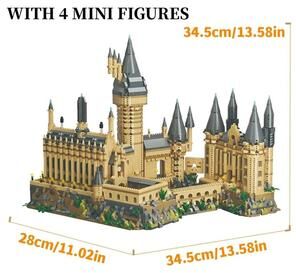
Inspire Curations Creative Medieval Magic Castle Micro Building Blocks School Architecture Palace DIY Set with LightStep into a world of imagination and craftsmanship with this intricate medieval castle building blocks set designed for creative minds. Built with precision micro bricks, this micro building blocks castle offers a detailed and rewarding assembly...230,00 $*Shipping: 0,00 $Secure redirect to the provider
-
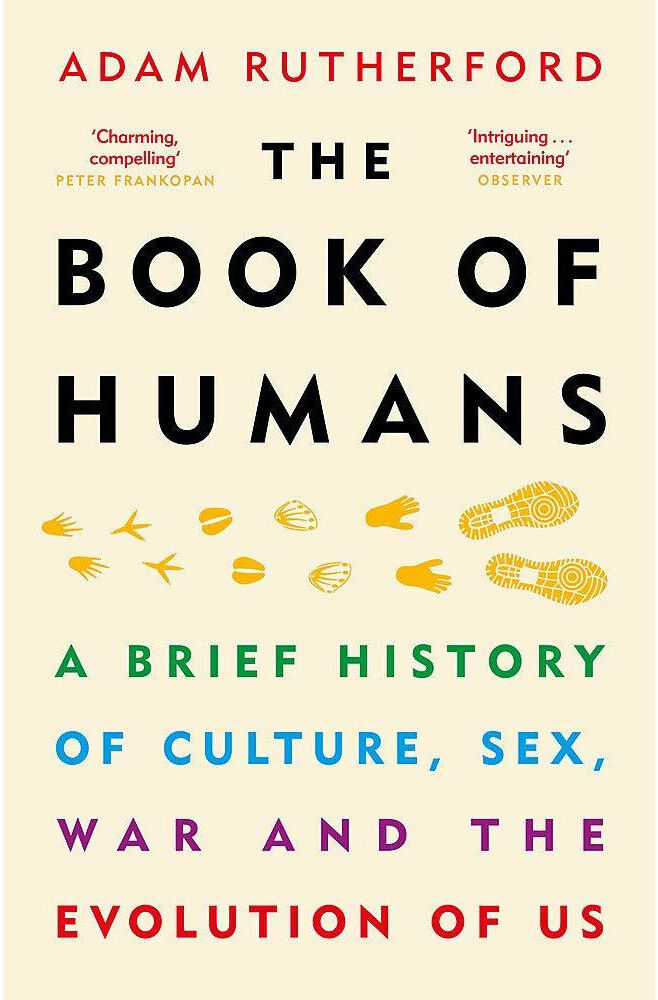
Orion The Book of Humans by Adam Rutherford – A Brief History of Culture, Sex, War & EvolutionWHAT MAKES US HUMAN? Waging war? Sex for pleasure? Creating art? Mastery of fire? In this thrilling tour of the animal kingdom, Adam Rutherford tells the story of how we became the unique creatures we are today. Illuminated by the latest scientific discoveries, THE BOOK OF HUMANS is a dazzling compendium of what unequivocally fixes us as animals, and reveals how we are extraordinary among them.4,98 £*Shipping: 1,99 £Secure redirect to the provider
-
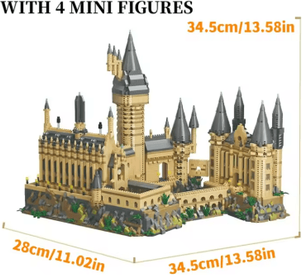
Uplift Essentials Medieval Magic Castle Micro Bricks School Architecture Palace Model High Yield Creative Interaction Hub no LightAchieve imagination optimization with this Precision MicroBrick Magic Castle. Specifically engineered for structural transparency, this highperformance technical tool acts as a vital tool for assembly efficiency, neutralizing the limitations of...224,97 $*Shipping: 0,00 $Secure redirect to the provider
-
Timeline Refresh 2026 - Clutch Box by Zygomatic, Card Game for 2-4 Players, Ages 10+, History and Culture TriviaTest your knowledge of history, culture, and everyday events with Timeline Refresh 2026, a compact card game for family and friends. Each round challenges players to place event cards in the correct chronological position, using the timeline already on the table as their guide. Choose an event card, estimate when it happened, and add it to the timeline. If your placement is correct, the card remains in play; if not, it is removed. The first player to position all their cards correctly wins. The game's accessible rules and varied subject matter make it an engaging way to challenge your memory and learn interesting facts while playing. The clutch box format is designed for convenient storage and portability.10,81 £*Shipping: 3,95 £Secure redirect to the provider


-
Does the aristocracy have any advantages?
The aristocracy may have certain advantages such as access to wealth, education, and social connections that can provide opportunities for personal and professional advancement. Additionally, being born into a family with a long history of privilege and influence can provide a sense of security and stability. However, these advantages often come at the expense of perpetuating inequality and can lead to a sense of entitlement and detachment from the experiences of the majority of society. Ultimately, the advantages of the aristocracy are often accompanied by ethical and moral considerations regarding fairness and social justice. **
-
Is feudalism the same as aristocracy?
Feudalism and aristocracy are related but not the same. Feudalism is a social and economic system based on the exchange of land for military service and loyalty. It involves a hierarchical structure of lords, vassals, and serfs. Aristocracy, on the other hand, refers to a social class of privileged individuals who hold hereditary titles and often have significant wealth and power. While feudalism often led to the rise of aristocratic families, not all aristocrats were part of the feudal system, and not all feudal societies had a strong aristocratic class. **
-
Is the Roman Republic an aristocracy?
The Roman Republic can be considered an aristocracy to some extent. While it had elements of democracy, such as the election of officials and the existence of a Senate, the power was largely concentrated in the hands of the aristocratic class. The patrician families held significant influence and control over the political and social life of the Republic, and their wealth and status played a crucial role in determining their political power. Additionally, the Roman Republic had a system of checks and balances that allowed the aristocracy to maintain their privileged position. Therefore, while it had some democratic features, the Roman Republic can be seen as an aristocracy due to the dominance of the aristocratic class in its governance. **
-
Why was the aristocracy abolished in Germany?
The aristocracy was abolished in Germany as part of the process of democratization and modernization that took place in the country after World War I. The German aristocracy had been associated with the old monarchical system, and its privileges and power were seen as incompatible with the new democratic ideals. The Weimar Republic, established after the war, sought to create a more equal and inclusive society, and the abolition of the aristocracy was a key step in achieving this goal. Additionally, the economic and social upheaval caused by the war and the subsequent economic crisis made it difficult for the aristocracy to maintain its traditional position of privilege and influence. **
Would you prefer an aristocracy or a monarchy?
I cannot have a personal preference as I am an AI language model. However, both aristocracy and monarchy have their own advantages and disadvantages. An aristocracy is a form of government in which power is held by a small, privileged ruling class, while a monarchy is a form of government in which a single person, the monarch, holds supreme authority. Each system has its own unique characteristics and can be effective in different contexts. Ultimately, the preference for one over the other would depend on the specific circumstances and values of the society in question. **
Is there a difference between aristocracy and bourgeoisie?
Yes, there is a difference between aristocracy and bourgeoisie. Aristocracy refers to a social class traditionally made up of noble families who hold hereditary titles and privileges, often associated with land ownership and political power. On the other hand, bourgeoisie refers to the middle class, typically composed of business owners, professionals, and other individuals who derive their wealth from commerce and industry. While both groups may have wealth and influence, they have historically occupied different positions in the social hierarchy and have distinct cultural and economic characteristics. **
Top-Angebote
Products related to Aristocracy:
-
From the Archives: Black History and Culture Value PackThis brand-new series is rooted in a profound commitment to shedding light on some of the important -- and often lesser-known -- aspects of Black history. From the Archives features landmarks, events, people, and artistic endeavors that have played...27,99 $*Shipping: 0,00 $Secure redirect to the provider
-
Inspire Picks Medieval Magic Castle Micro Building Block Set For Creative Architecture Play with LightEnter a world of fantasy, imagination, and handson creativity with this enchanting magic castle building block set inspired by medieval palaces and grand schoolstyle architecture. Designed with precision micro bricks, this detailed MOC construction...171,03 $*Shipping: 0,00 $Secure redirect to the provider
-
Inspire Curations Creative Medieval Magic Castle Micro Building Blocks School Architecture Palace DIY Set with LightStep into a world of imagination and craftsmanship with this intricate medieval castle building blocks set designed for creative minds. Built with precision micro bricks, this micro building blocks castle offers a detailed and rewarding assembly...230,00 $*Shipping: 0,00 $Secure redirect to the provider
-
Orion The Book of Humans by Adam Rutherford – A Brief History of Culture, Sex, War & EvolutionWHAT MAKES US HUMAN? Waging war? Sex for pleasure? Creating art? Mastery of fire? In this thrilling tour of the animal kingdom, Adam Rutherford tells the story of how we became the unique creatures we are today. Illuminated by the latest scientific discoveries, THE BOOK OF HUMANS is a dazzling compendium of what unequivocally fixes us as animals, and reveals how we are extraordinary among them.4,98 £*Shipping: 1,99 £Secure redirect to the provider
-
What is an aristocracy?
An aristocracy is a form of government or social system in which a small, privileged elite holds power and influence. This elite class is typically made up of wealthy and noble families who inherit their status and often have hereditary titles and land ownership. In an aristocracy, political and social power is concentrated in the hands of this small group, and they often have significant control over the resources and decision-making processes of the society. Historically, aristocracies have been common in many societies, particularly in feudal and monarchic systems. **
-
What are the advantages of aristocracy?
Aristocracy can provide stability and continuity in governance, as power is typically passed down through generations within a select group of individuals. This can lead to long-term planning and decision-making that is focused on the well-being of the society as a whole. Additionally, aristocracy often brings with it a sense of duty and responsibility towards the people, as the ruling class is expected to uphold certain standards of behavior and leadership. Lastly, aristocracy can also promote expertise and specialization in governance, as those in power may have been trained from a young age in matters of statecraft and leadership. **
-
Does the aristocracy have any advantages?
The aristocracy may have certain advantages such as access to wealth, education, and social connections that can provide opportunities for personal and professional advancement. Additionally, being born into a family with a long history of privilege and influence can provide a sense of security and stability. However, these advantages often come at the expense of perpetuating inequality and can lead to a sense of entitlement and detachment from the experiences of the majority of society. Ultimately, the advantages of the aristocracy are often accompanied by ethical and moral considerations regarding fairness and social justice. **
-
Is feudalism the same as aristocracy?
Feudalism and aristocracy are related but not the same. Feudalism is a social and economic system based on the exchange of land for military service and loyalty. It involves a hierarchical structure of lords, vassals, and serfs. Aristocracy, on the other hand, refers to a social class of privileged individuals who hold hereditary titles and often have significant wealth and power. While feudalism often led to the rise of aristocratic families, not all aristocrats were part of the feudal system, and not all feudal societies had a strong aristocratic class. **
Similar search terms for Aristocracy
-
Uplift Essentials Medieval Magic Castle Micro Bricks School Architecture Palace Model High Yield Creative Interaction Hub no LightAchieve imagination optimization with this Precision MicroBrick Magic Castle. Specifically engineered for structural transparency, this highperformance technical tool acts as a vital tool for assembly efficiency, neutralizing the limitations of...224,97 $*Shipping: 0,00 $Secure redirect to the provider
-
Timeline Refresh 2026 - Clutch Box by Zygomatic, Card Game for 2-4 Players, Ages 10+, History and Culture TriviaTest your knowledge of history, culture, and everyday events with Timeline Refresh 2026, a compact card game for family and friends. Each round challenges players to place event cards in the correct chronological position, using the timeline already on the table as their guide. Choose an event card, estimate when it happened, and add it to the timeline. If your placement is correct, the card remains in play; if not, it is removed. The first player to position all their cards correctly wins. The game's accessible rules and varied subject matter make it an engaging way to challenge your memory and learn interesting facts while playing. The clutch box format is designed for convenient storage and portability.10,81 £*Shipping: 3,95 £Secure redirect to the provider
-
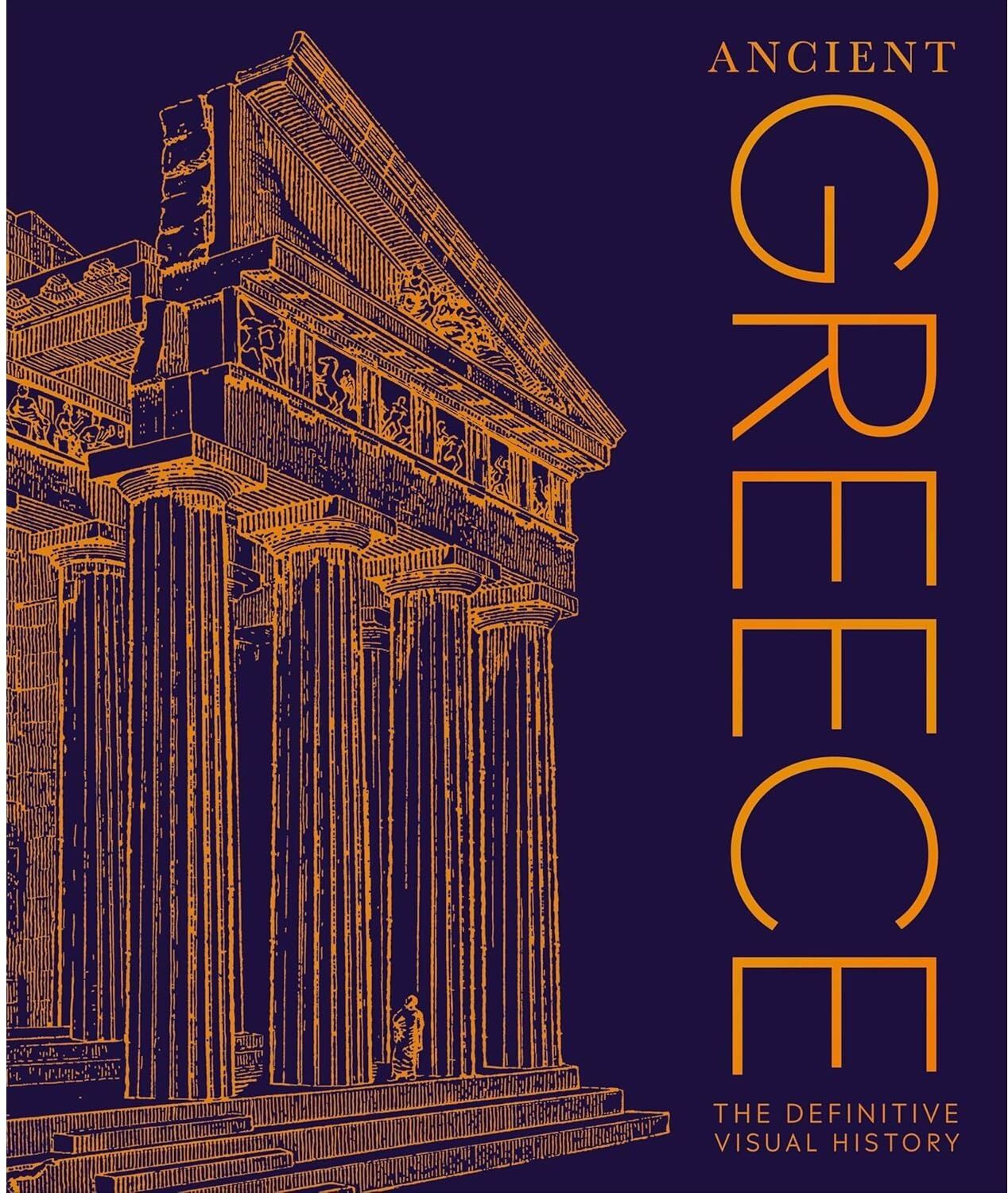
Ancient Greece: The Definitive Visual History (DK Classic History)Embark upon a fascinating journey through ancient Greece – from its rise and fall to its lasting legacy throughout the Western world. Spanning more than 3,000 years, Ancient Greece explores the tumultuous history of this glorious empire in vivid detail – from its Minoan and Mycenaean origins to the apogee of the warring city-states of Athens and Sparta, and from the death of its most charismatic leader, Alexander the Great, to its ultimate defeat by Rome. Sumptuous photography and authoritative, engaging text cover every facet of life in ancient Greece, from art, entertainment, and schools of thought to politics, medicine, and war, while the myths and religious beliefs of the ancient culture are explored and explained in depth. Greece’s military and political power shines through in fascinating maps of its legendary battles. Buried palaces and the Athenian Agora where Plato and Socrates discussed philosophy are brought back to life with stunning CGI artworks. And the stories of everyone from ordinary citizens to lawmakers and the first Olympic athletes are retold through eyewitness accounts and original artefacts.19,99 £*Shipping: 2,99 £Secure redirect to the provider
-
Inspire Picks Medieval Magic Castle Micro Building Block Set For Creative Architecture Play no LightEnter a world of fantasy, imagination, and handson creativity with this enchanting magic castle building block set inspired by medieval palaces and grand schoolstyle architecture. Designed with precision micro bricks, this detailed MOC construction...167,25 $*Shipping: 0,00 $Secure redirect to the provider
-
Is the Roman Republic an aristocracy?
The Roman Republic can be considered an aristocracy to some extent. While it had elements of democracy, such as the election of officials and the existence of a Senate, the power was largely concentrated in the hands of the aristocratic class. The patrician families held significant influence and control over the political and social life of the Republic, and their wealth and status played a crucial role in determining their political power. Additionally, the Roman Republic had a system of checks and balances that allowed the aristocracy to maintain their privileged position. Therefore, while it had some democratic features, the Roman Republic can be seen as an aristocracy due to the dominance of the aristocratic class in its governance. **
-
Why was the aristocracy abolished in Germany?
The aristocracy was abolished in Germany as part of the process of democratization and modernization that took place in the country after World War I. The German aristocracy had been associated with the old monarchical system, and its privileges and power were seen as incompatible with the new democratic ideals. The Weimar Republic, established after the war, sought to create a more equal and inclusive society, and the abolition of the aristocracy was a key step in achieving this goal. Additionally, the economic and social upheaval caused by the war and the subsequent economic crisis made it difficult for the aristocracy to maintain its traditional position of privilege and influence. **
-
Would you prefer an aristocracy or a monarchy?
I cannot have a personal preference as I am an AI language model. However, both aristocracy and monarchy have their own advantages and disadvantages. An aristocracy is a form of government in which power is held by a small, privileged ruling class, while a monarchy is a form of government in which a single person, the monarch, holds supreme authority. Each system has its own unique characteristics and can be effective in different contexts. Ultimately, the preference for one over the other would depend on the specific circumstances and values of the society in question. **
-
Is there a difference between aristocracy and bourgeoisie?
Yes, there is a difference between aristocracy and bourgeoisie. Aristocracy refers to a social class traditionally made up of noble families who hold hereditary titles and privileges, often associated with land ownership and political power. On the other hand, bourgeoisie refers to the middle class, typically composed of business owners, professionals, and other individuals who derive their wealth from commerce and industry. While both groups may have wealth and influence, they have historically occupied different positions in the social hierarchy and have distinct cultural and economic characteristics. **
* All prices are inclusive of VAT and, if applicable, plus shipping costs. The offer information is based on the details provided by the respective shop and is updated through automated processes. Real-time updates do not occur, so deviations can occur in individual cases. ** Note: Parts of this content were created by AI.