Buy castlelouisiana.com ?
We are moving the project
castlelouisiana.com .
Are you interested in purchasing the domain
castlelouisiana.com ?
domain@kv-gmbh.de · 0541-91531010
Buy castlelouisiana.com ?
When should hornbeam hedges be replanted?
Hornbeam hedges should be replanted during the dormant season, which is typically in late autumn or early winter. This allows the plants to establish their roots before the growing season begins. Replanting during the dormant season also reduces the stress on the plants and increases their chances of successful establishment. It is important to ensure that the new planting site has well-draining soil and receives adequate sunlight for the hornbeam hedges to thrive. **
Is cherry laurel or hornbeam hedge better?
The choice between cherry laurel and hornbeam hedge depends on your specific needs and preferences. Cherry laurel is known for its fast growth, dense foliage, and ability to provide privacy, making it a popular choice for screening purposes. On the other hand, hornbeam is slower growing but has a more formal appearance with its tightly packed leaves and smooth bark. Consider factors such as desired height, maintenance requirements, and overall aesthetic when deciding between the two options. **

Similar search terms for Artesania-Agrícola-Hornbeam-Plantis
Top-Angebote
Products related to Artesania-Agrícola-Hornbeam-Plantis:
-
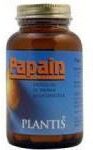
Artesania Agrícola Papain Plantis 60 CapsulesNutrition and Supplements Digestive enzymes and fibers Artesania Agrícola Papain Plantis 60 Capsules Protein digestion. 94% by papaya dehydrated vegetable capsule. CONSUMER ADVICE: 1 to 3 capsules a day before meals.11,80 £*Shipping: 3,99 £Secure redirect to the provider
-
Artesania Agrícola Plantis Lymphadetox 150 mlNutrition and Supplements Natural Extracts Artesania Agrícola Plantis Lymphadetox 150 ml Prepared with ingredients from yemotherapy that has been specially formulated to "clean" the lymph. INGREDIENTS: Alcoholic glycerin aromatic concentrates from plants: blackcurrant* (Ribes nigrum L., bud), oak* (Quercus endonculata syn. robur L., bud), vine* (Vitis vinifera L., bud), rosemary* (Rosmarinus officinalis L., young plant), nettle* (Urtica dioica L., aerial part), bearberry* (Arctostaphylos uva-ursi L., leaf) CONSUMPTION RECOMMENDATION: 2.5 ml (half a measuring spoon) mixed in a glass of water, each time it is used. Do not ingest directly. To be used in food products.11,35 £*Shipping: 3,99 £Secure redirect to the provider
-
Artesania Agrícola Bamboo Plantis 90 CapsulesNutrition and Supplements Natural Extracts Artesania Agrícola Bamboo Plantis 90 Capsules Bamboo tabashir: 270mg exudate knots bamboo stalk containing 75% natural silica by vegetable capsule. RECOMMENDATION CONSUMPTION: 3 capsules 2 times a day with a glass of water (breakfast and dinner).11,30 £*Shipping: 3,99 £Secure redirect to the provider


-
When will the hornbeam hedge be trimmed?
The hornbeam hedge will be trimmed in late winter or early spring before new growth begins. This timing is important to ensure the hedge has time to recover and regrow before the growing season. Trimming at this time also helps maintain the hedge's shape and promote healthy growth. It is best to avoid trimming the hedge during the fall, as this can leave it vulnerable to winter damage. **
-
What goes well with a hornbeam hedge?
Hornbeam hedges pair well with a variety of plants and shrubs that complement their dense, formal appearance. Some good options to plant alongside a hornbeam hedge include boxwood, yew, lavender, and ornamental grasses. These plants can provide contrasting textures, colors, and heights that enhance the overall look of the hedge while creating a visually appealing and cohesive garden design. **
-
How can one train a hornbeam into a shrub?
To train a hornbeam into a shrub, you can start by selecting a young hornbeam tree with a single stem and prune it to encourage branching at the base. As the tree grows, continue to prune the main stem to encourage a bushy, shrub-like shape. Regular pruning of the side branches will help maintain the shrub form and encourage dense growth. Additionally, shaping and training the branches with selective pruning and tying can help achieve the desired shrub form. **
-
Are there many hornbeam trees (Carpinus betulus) in Germany?
Yes, there are many hornbeam trees (Carpinus betulus) in Germany. The hornbeam is a native tree species in Germany and can be found in various regions throughout the country. It is commonly found in forests, woodlands, and along the edges of fields and meadows. The hornbeam is known for its hard wood and is often used for furniture making and as a source of firewood. **
What type of mouse species is in a hornbeam hedge?
The type of mouse species commonly found in a hornbeam hedge is the wood mouse (Apodemus sylvaticus). Wood mice are known to inhabit a variety of habitats, including hedgerows, woodlands, and gardens. They are nocturnal creatures that feed on seeds, fruits, and insects, making the dense cover of a hornbeam hedge an ideal shelter and food source for them. **
What kind of mouse species is found in a hornbeam hedge?
The species of mouse commonly found in hornbeam hedges is the wood mouse (Apodemus sylvaticus). Wood mice are known to inhabit a variety of habitats, including hedgerows, woodlands, and gardens. They are nocturnal creatures and are omnivorous, feeding on a diet of seeds, fruits, insects, and small invertebrates. Wood mice are agile climbers and burrowers, making the dense and sheltered environment of a hornbeam hedge an ideal habitat for them. **
Top-Angebote
Products related to Artesania-Agrícola-Hornbeam-Plantis:
-
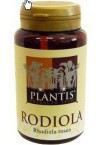
Artesania Agrícola Rhodiola Plantis 60 CapsulesNutrition and Supplements Natural Extracts Artesania Agrícola Rhodiola Plantis 60 Capsules 250 mg of standardized extract: 3% 1% Rosavins salidrócito Recommendation of consumption: 1 capsule three times a day.18,10 £*Shipping: 3,99 £Secure redirect to the provider
-
Artesania Agrícola Papain Plantis 60 CapsulesNutrition and Supplements Digestive enzymes and fibers Artesania Agrícola Papain Plantis 60 Capsules Protein digestion. 94% by papaya dehydrated vegetable capsule. CONSUMER ADVICE: 1 to 3 capsules a day before meals.11,80 £*Shipping: 3,99 £Secure redirect to the provider
-
Artesania Agrícola Plantis Lymphadetox 150 mlNutrition and Supplements Natural Extracts Artesania Agrícola Plantis Lymphadetox 150 ml Prepared with ingredients from yemotherapy that has been specially formulated to "clean" the lymph. INGREDIENTS: Alcoholic glycerin aromatic concentrates from plants: blackcurrant* (Ribes nigrum L., bud), oak* (Quercus endonculata syn. robur L., bud), vine* (Vitis vinifera L., bud), rosemary* (Rosmarinus officinalis L., young plant), nettle* (Urtica dioica L., aerial part), bearberry* (Arctostaphylos uva-ursi L., leaf) CONSUMPTION RECOMMENDATION: 2.5 ml (half a measuring spoon) mixed in a glass of water, each time it is used. Do not ingest directly. To be used in food products.11,35 £*Shipping: 3,99 £Secure redirect to the provider
-
When should hornbeam hedges be replanted?
Hornbeam hedges should be replanted during the dormant season, which is typically in late autumn or early winter. This allows the plants to establish their roots before the growing season begins. Replanting during the dormant season also reduces the stress on the plants and increases their chances of successful establishment. It is important to ensure that the new planting site has well-draining soil and receives adequate sunlight for the hornbeam hedges to thrive. **
-
Is cherry laurel or hornbeam hedge better?
The choice between cherry laurel and hornbeam hedge depends on your specific needs and preferences. Cherry laurel is known for its fast growth, dense foliage, and ability to provide privacy, making it a popular choice for screening purposes. On the other hand, hornbeam is slower growing but has a more formal appearance with its tightly packed leaves and smooth bark. Consider factors such as desired height, maintenance requirements, and overall aesthetic when deciding between the two options. **
-
When will the hornbeam hedge be trimmed?
The hornbeam hedge will be trimmed in late winter or early spring before new growth begins. This timing is important to ensure the hedge has time to recover and regrow before the growing season. Trimming at this time also helps maintain the hedge's shape and promote healthy growth. It is best to avoid trimming the hedge during the fall, as this can leave it vulnerable to winter damage. **
-
What goes well with a hornbeam hedge?
Hornbeam hedges pair well with a variety of plants and shrubs that complement their dense, formal appearance. Some good options to plant alongside a hornbeam hedge include boxwood, yew, lavender, and ornamental grasses. These plants can provide contrasting textures, colors, and heights that enhance the overall look of the hedge while creating a visually appealing and cohesive garden design. **
Similar search terms for Artesania-Agrícola-Hornbeam-Plantis
-
Artesania Agrícola Bamboo Plantis 90 CapsulesNutrition and Supplements Natural Extracts Artesania Agrícola Bamboo Plantis 90 Capsules Bamboo tabashir: 270mg exudate knots bamboo stalk containing 75% natural silica by vegetable capsule. RECOMMENDATION CONSUMPTION: 3 capsules 2 times a day with a glass of water (breakfast and dinner).11,30 £*Shipping: 3,99 £Secure redirect to the provider
-
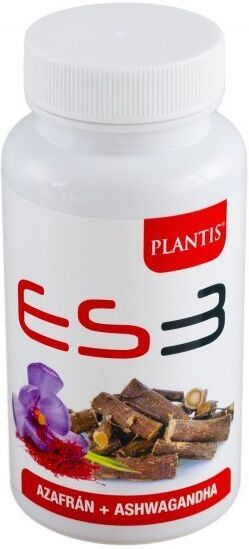
Artesania Agrícola Es3 Plantis 30 capsulesNutrition and Supplements Natural Extracts Artesania Agrícola Es3 Plantis 30 capsules ES3 is the natural alternative that helps manage stress, decrease tension, anxiety and improve mood through the control of emotions. Each capsule contains: - Ashwagandha KSM-66 300 mg, Saffron 28 mg Consumption recommendation: - 1 capsule a day with water, preferably in the morning.11,54 £*Shipping: 3,99 £Secure redirect to the provider
-
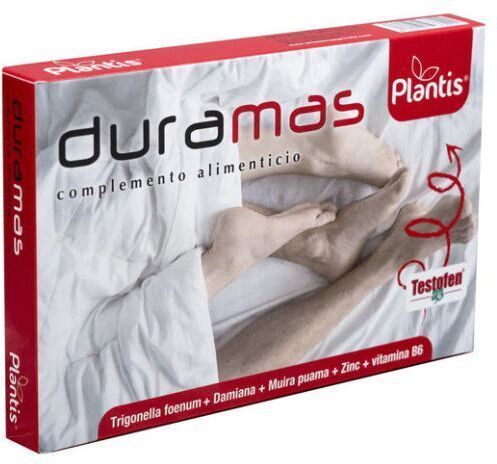
Artesania Agrícola Duramas Plantis 45 Capsules.Nutrition and Supplements Special supplements Artesania Agrícola Duramas Plantis 45 Capsules. DURAMAS is a natural preparation based on plant extracts that have been shown to be effective in cases of alterations in male sexual health. The base of the preparation is Testofen, which is obtained from the seeds of fenugreek (Trigonella foenum graecum) through a special extraction process that allows the concentration of a group of active principles (saponins) registered under the trade name FenusideTM. The saponins of Testofen, act on the sexual health of the male. It has been clinically proven that this extract promotes libido, sexual vitality and desire. Consumption recommendation: 2 capsules per day, distributed before the main meals. Presentation: 45 Capsules.21,04 £*Shipping: 3,99 £Secure redirect to the provider
-
How can one train a hornbeam into a shrub?
To train a hornbeam into a shrub, you can start by selecting a young hornbeam tree with a single stem and prune it to encourage branching at the base. As the tree grows, continue to prune the main stem to encourage a bushy, shrub-like shape. Regular pruning of the side branches will help maintain the shrub form and encourage dense growth. Additionally, shaping and training the branches with selective pruning and tying can help achieve the desired shrub form. **
-
Are there many hornbeam trees (Carpinus betulus) in Germany?
Yes, there are many hornbeam trees (Carpinus betulus) in Germany. The hornbeam is a native tree species in Germany and can be found in various regions throughout the country. It is commonly found in forests, woodlands, and along the edges of fields and meadows. The hornbeam is known for its hard wood and is often used for furniture making and as a source of firewood. **
-
What type of mouse species is in a hornbeam hedge?
The type of mouse species commonly found in a hornbeam hedge is the wood mouse (Apodemus sylvaticus). Wood mice are known to inhabit a variety of habitats, including hedgerows, woodlands, and gardens. They are nocturnal creatures that feed on seeds, fruits, and insects, making the dense cover of a hornbeam hedge an ideal shelter and food source for them. **
-
What kind of mouse species is found in a hornbeam hedge?
The species of mouse commonly found in hornbeam hedges is the wood mouse (Apodemus sylvaticus). Wood mice are known to inhabit a variety of habitats, including hedgerows, woodlands, and gardens. They are nocturnal creatures and are omnivorous, feeding on a diet of seeds, fruits, insects, and small invertebrates. Wood mice are agile climbers and burrowers, making the dense and sheltered environment of a hornbeam hedge an ideal habitat for them. **
* All prices are inclusive of VAT and, if applicable, plus shipping costs. The offer information is based on the details provided by the respective shop and is updated through automated processes. Real-time updates do not occur, so deviations can occur in individual cases. ** Note: Parts of this content were created by AI.