Buy castlelouisiana.com ?
We are moving the project
castlelouisiana.com .
Are you interested in purchasing the domain
castlelouisiana.com ?
domain@kv-gmbh.de · 0541-91531010
Buy castlelouisiana.com ?
What are confidence intervals?
Confidence intervals are a range of values that are used to estimate the true value of a population parameter, such as the mean or proportion. They provide a measure of the uncertainty or variability in the estimate, and are typically expressed as a range of values with a specified level of confidence, such as 95% or 99%. Confidence intervals are calculated using sample data and statistical methods, and are used to make inferences about the population parameter being estimated. They are a useful tool for understanding the precision and reliability of an estimate, and for comparing different groups or treatments in a study. **
What are real number intervals?
Real number intervals are continuous sets of real numbers that lie between two specified values. They can be open intervals, which do not include the endpoint values, or closed intervals, which include the endpoint values. Real number intervals are commonly represented using interval notation, such as (a, b) for an open interval or [a, b] for a closed interval. These intervals are used in mathematics to describe ranges of values or solutions to equations. **


Similar search terms for Intervals
Top-Angebote
Products related to Intervals:
-
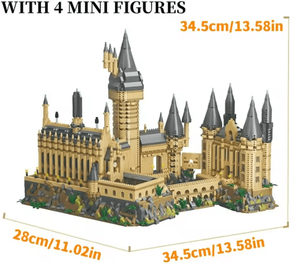
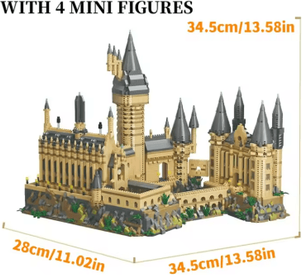
Inspire Curations Creative Medieval Magic Castle Micro Building Blocks School Architecture Palace DIY Set no LightStep into a world of imagination and craftsmanship with this intricate medieval castle building blocks set designed for creative minds. Built with precision micro bricks, this micro building blocks castle offers a detailed and rewarding assembly...225,50 $*Shipping: 0,00 $Secure redirect to the provider
-
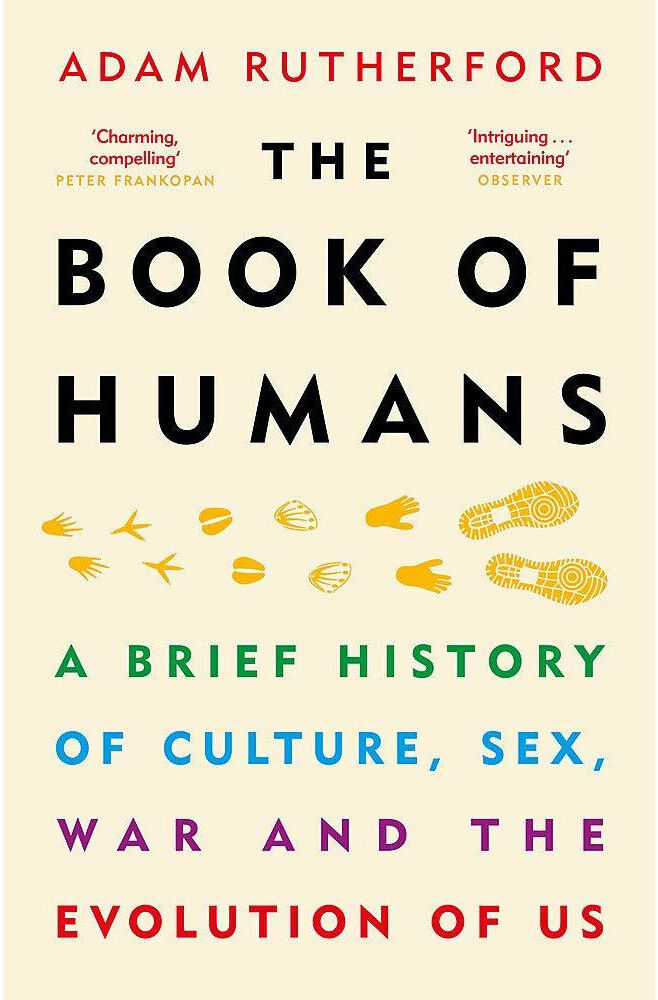
Orion The Book of Humans by Adam Rutherford – A Brief History of Culture, Sex, War & EvolutionWHAT MAKES US HUMAN? Waging war? Sex for pleasure? Creating art? Mastery of fire? In this thrilling tour of the animal kingdom, Adam Rutherford tells the story of how we became the unique creatures we are today. Illuminated by the latest scientific discoveries, THE BOOK OF HUMANS is a dazzling compendium of what unequivocally fixes us as animals, and reveals how we are extraordinary among them.4,98 £*Shipping: 1,99 £Secure redirect to the provider
-
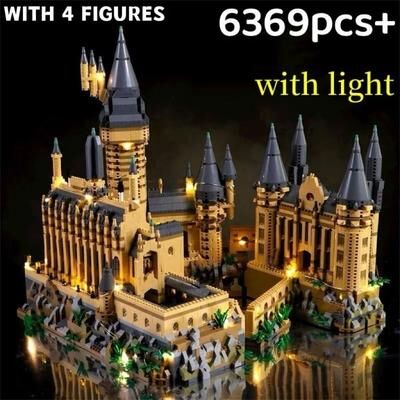
Uplift Essentials Medieval Magic Castle Micro Bricks School Architecture Palace Model High Yield Creative Interaction Hub with LightAchieve imagination optimization with this Precision MicroBrick Magic Castle. Specifically engineered for structural transparency, this highperformance technical tool acts as a vital tool for assembly efficiency, neutralizing the limitations of...226,97 $*Shipping: 0,00 $Secure redirect to the provider
-
Timeline Refresh 2026 - Clutch Box by Zygomatic, Card Game for 2-4 Players, Ages 10+, History and Culture TriviaTest your knowledge of history, culture, and everyday events with Timeline Refresh 2026, a compact card game for family and friends. Each round challenges players to place event cards in the correct chronological position, using the timeline already on the table as their guide. Choose an event card, estimate when it happened, and add it to the timeline. If your placement is correct, the card remains in play; if not, it is removed. The first player to position all their cards correctly wins. The game's accessible rules and varied subject matter make it an engaging way to challenge your memory and learn interesting facts while playing. The clutch box format is designed for convenient storage and portability.10,59 £*Shipping: 3,95 £Secure redirect to the provider

-
How can one remember intervals?
One way to remember intervals is to associate them with familiar songs or melodies. For example, a perfect fourth interval is the first two notes of "Here Comes the Bride." Another method is to visualize the distance between the notes on a piano or other instrument. Practice playing and listening to intervals regularly to reinforce your memory of them. Additionally, using mnemonic devices or creating flashcards with interval names and examples can help solidify your understanding and retention of intervals. **
-
How do you hear intervals?
Intervals are heard by recognizing the distance between two notes in terms of pitch. This can be done by comparing the two notes and identifying whether the second note is higher, lower, or the same pitch as the first note. The quality of the interval (such as major, minor, perfect, etc.) can also be determined by listening to the specific sound created by the two notes played together. Training your ear through practice and exposure to different intervals can help in accurately identifying and hearing intervals. **
-
Wanted: Explanation of music intervals.
Music intervals are the distance between two pitches. They are named based on the number of letter names they encompass, such as a second, third, fourth, etc. Intervals can be classified as either harmonic (played simultaneously) or melodic (played consecutively). Understanding intervals is crucial in music theory as they help musicians identify and create melodies, harmonies, and chords. **
-
How intense are music intervals?
Music intervals can vary in intensity depending on their size and the context in which they are used. Smaller intervals, such as minor and major seconds, can create a sense of tension and dissonance, while larger intervals, such as perfect fifths and octaves, can create a feeling of stability and resolution. The intensity of music intervals is also influenced by factors such as dynamics, articulation, and the overall musical texture. Ultimately, the intensity of music intervals is subjective and can be perceived differently by different listeners. **
What are intervals in mathematics?
In mathematics, an interval is a set of real numbers with the property that any number that lies between two numbers in the set is also included in the set. Intervals can be open, closed, or a combination of both, and they can be bounded or unbounded. For example, the interval [a, b] includes all real numbers x such that a ≤ x ≤ b, while the interval (a, b) includes all real numbers x such that a < x < b. Intervals are used in various mathematical contexts, such as in calculus, analysis, and inequalities. **
How can one reduce measurement data in Excel from 15-minute intervals to hourly intervals?
To reduce measurement data in Excel from 15-minute intervals to hourly intervals, you can use the AVERAGE function. First, create a new column next to your original data. Then, use the AVERAGE function to calculate the average value for every four 15-minute intervals to get the hourly average. Drag the formula down to apply it to all the data points, and you will have your data reduced to hourly intervals. **
Top-Angebote
Products related to Intervals:
-
From the Archives: Black History and Culture Value PackThis brand-new series is rooted in a profound commitment to shedding light on some of the important -- and often lesser-known -- aspects of Black history. From the Archives features landmarks, events, people, and artistic endeavors that have played...27,99 $*Shipping: 0,00 $Secure redirect to the provider
-
Inspire Picks Medieval Magic Castle Micro Building Block Set For Creative Architecture Play with LightEnter a world of fantasy, imagination, and handson creativity with this enchanting magic castle building block set inspired by medieval palaces and grand schoolstyle architecture. Designed with precision micro bricks, this detailed MOC construction...171,03 $*Shipping: 0,00 $Secure redirect to the provider
-
Inspire Curations Creative Medieval Magic Castle Micro Building Blocks School Architecture Palace DIY Set no LightStep into a world of imagination and craftsmanship with this intricate medieval castle building blocks set designed for creative minds. Built with precision micro bricks, this micro building blocks castle offers a detailed and rewarding assembly...225,50 $*Shipping: 0,00 $Secure redirect to the provider
-
Orion The Book of Humans by Adam Rutherford – A Brief History of Culture, Sex, War & EvolutionWHAT MAKES US HUMAN? Waging war? Sex for pleasure? Creating art? Mastery of fire? In this thrilling tour of the animal kingdom, Adam Rutherford tells the story of how we became the unique creatures we are today. Illuminated by the latest scientific discoveries, THE BOOK OF HUMANS is a dazzling compendium of what unequivocally fixes us as animals, and reveals how we are extraordinary among them.4,98 £*Shipping: 1,99 £Secure redirect to the provider
-
What are confidence intervals?
Confidence intervals are a range of values that are used to estimate the true value of a population parameter, such as the mean or proportion. They provide a measure of the uncertainty or variability in the estimate, and are typically expressed as a range of values with a specified level of confidence, such as 95% or 99%. Confidence intervals are calculated using sample data and statistical methods, and are used to make inferences about the population parameter being estimated. They are a useful tool for understanding the precision and reliability of an estimate, and for comparing different groups or treatments in a study. **
-
What are real number intervals?
Real number intervals are continuous sets of real numbers that lie between two specified values. They can be open intervals, which do not include the endpoint values, or closed intervals, which include the endpoint values. Real number intervals are commonly represented using interval notation, such as (a, b) for an open interval or [a, b] for a closed interval. These intervals are used in mathematics to describe ranges of values or solutions to equations. **
-
How can one remember intervals?
One way to remember intervals is to associate them with familiar songs or melodies. For example, a perfect fourth interval is the first two notes of "Here Comes the Bride." Another method is to visualize the distance between the notes on a piano or other instrument. Practice playing and listening to intervals regularly to reinforce your memory of them. Additionally, using mnemonic devices or creating flashcards with interval names and examples can help solidify your understanding and retention of intervals. **
-
How do you hear intervals?
Intervals are heard by recognizing the distance between two notes in terms of pitch. This can be done by comparing the two notes and identifying whether the second note is higher, lower, or the same pitch as the first note. The quality of the interval (such as major, minor, perfect, etc.) can also be determined by listening to the specific sound created by the two notes played together. Training your ear through practice and exposure to different intervals can help in accurately identifying and hearing intervals. **
Similar search terms for Intervals
-
Uplift Essentials Medieval Magic Castle Micro Bricks School Architecture Palace Model High Yield Creative Interaction Hub with LightAchieve imagination optimization with this Precision MicroBrick Magic Castle. Specifically engineered for structural transparency, this highperformance technical tool acts as a vital tool for assembly efficiency, neutralizing the limitations of...226,97 $*Shipping: 0,00 $Secure redirect to the provider
-
Timeline Refresh 2026 - Clutch Box by Zygomatic, Card Game for 2-4 Players, Ages 10+, History and Culture TriviaTest your knowledge of history, culture, and everyday events with Timeline Refresh 2026, a compact card game for family and friends. Each round challenges players to place event cards in the correct chronological position, using the timeline already on the table as their guide. Choose an event card, estimate when it happened, and add it to the timeline. If your placement is correct, the card remains in play; if not, it is removed. The first player to position all their cards correctly wins. The game's accessible rules and varied subject matter make it an engaging way to challenge your memory and learn interesting facts while playing. The clutch box format is designed for convenient storage and portability.10,59 £*Shipping: 3,95 £Secure redirect to the provider
-
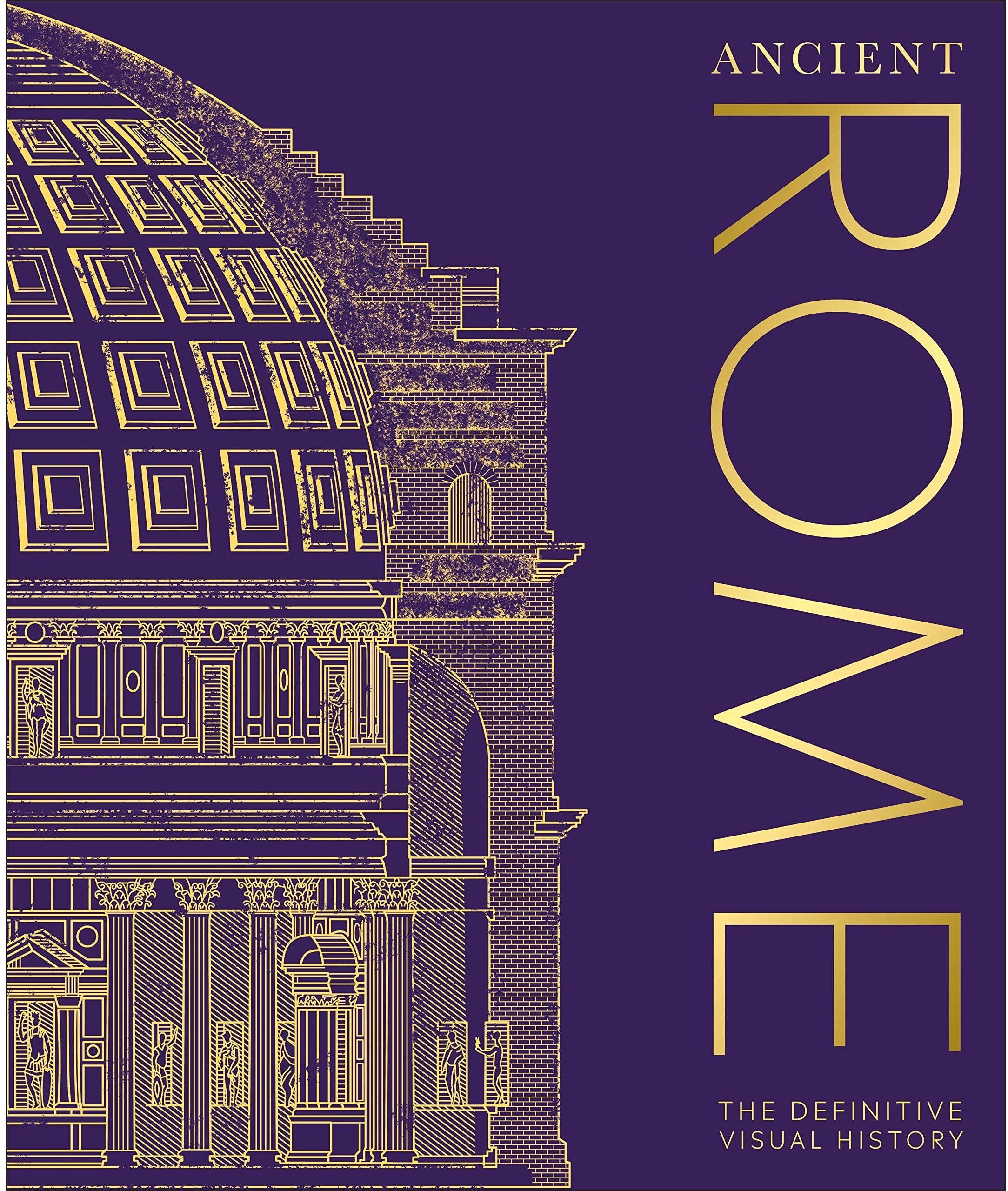
Ancient Rome: The Definitive Visual History (DK Classic History)Immerse yourself in the history of ancient Rome - from its origins as a small settlement on the Palatine Hill to its peak as an empire reigning over 90 million people, and its tumultuous decline. Covering more than 1,000 years of history, and an empire that stretched from Scotland to Syria, Ancient Rome reveals in vivid detail all of the key political, cultural, and military events that shaped the Roman Empire and explores what it was like to live in a society that laid the foundations for many aspects of the modern world. Sumptuous photography and engaging text cover every facet of life in ancient Rome, from art, entertainment, and fashion to engineering, medicine, and war, while detailed maps trace the rise of the mighty Roman Empire. Step back in time in the pages of this history book to discover:- Themed spreads explore developments in areas such as sculpture, religion, warfare, and engineering. - Includes tales of the most dramatic events and battles in Roman history, as well as profiles of influential historical and cultural figures. - An optional 80pp reference section includes sections on rulers, gods and goddesses, and key sites. Featuring Rome's greatest emperors, from Augustus to Constantine, as well as profiles of generals, historians, and influential women, Ancient Rome also delves into the fascinating stories of gladiators, bakers, and enslaved people. The most iconic buildings of Rome are brought to life with specially commissioned CGI recreations, while the stories of ordinary citizens, soldiers, and persecuted groups from across the empire are told with the help of illustrations, artefacts, and eyewitness accounts. Beautifully illustrated and unparalleled in scope, Ancient Rome is the perfect book for anyone who is interested in this defining period of world history.19,95 £*Shipping: 2,99 £Secure redirect to the provider
-
Inspire Picks Medieval Magic Castle Micro Building Block Set For Creative Architecture Play no LightEnter a world of fantasy, imagination, and handson creativity with this enchanting magic castle building block set inspired by medieval palaces and grand schoolstyle architecture. Designed with precision micro bricks, this detailed MOC construction...167,25 $*Shipping: 0,00 $Secure redirect to the provider
-
Wanted: Explanation of music intervals.
Music intervals are the distance between two pitches. They are named based on the number of letter names they encompass, such as a second, third, fourth, etc. Intervals can be classified as either harmonic (played simultaneously) or melodic (played consecutively). Understanding intervals is crucial in music theory as they help musicians identify and create melodies, harmonies, and chords. **
-
How intense are music intervals?
Music intervals can vary in intensity depending on their size and the context in which they are used. Smaller intervals, such as minor and major seconds, can create a sense of tension and dissonance, while larger intervals, such as perfect fifths and octaves, can create a feeling of stability and resolution. The intensity of music intervals is also influenced by factors such as dynamics, articulation, and the overall musical texture. Ultimately, the intensity of music intervals is subjective and can be perceived differently by different listeners. **
-
What are intervals in mathematics?
In mathematics, an interval is a set of real numbers with the property that any number that lies between two numbers in the set is also included in the set. Intervals can be open, closed, or a combination of both, and they can be bounded or unbounded. For example, the interval [a, b] includes all real numbers x such that a ≤ x ≤ b, while the interval (a, b) includes all real numbers x such that a < x < b. Intervals are used in various mathematical contexts, such as in calculus, analysis, and inequalities. **
-
How can one reduce measurement data in Excel from 15-minute intervals to hourly intervals?
To reduce measurement data in Excel from 15-minute intervals to hourly intervals, you can use the AVERAGE function. First, create a new column next to your original data. Then, use the AVERAGE function to calculate the average value for every four 15-minute intervals to get the hourly average. Drag the formula down to apply it to all the data points, and you will have your data reduced to hourly intervals. **
* All prices are inclusive of VAT and, if applicable, plus shipping costs. The offer information is based on the details provided by the respective shop and is updated through automated processes. Real-time updates do not occur, so deviations can occur in individual cases. ** Note: Parts of this content were created by AI.