Buy castlelouisiana.com ?
We are moving the project
castlelouisiana.com .
Are you interested in purchasing the domain
castlelouisiana.com ?
domain@kv-gmbh.de · 0541-91531010
Buy castlelouisiana.com ?
What is the difference between negotiating subject and negotiating basis?
Negotiating subject refers to the specific issue or topic that is being discussed or resolved during a negotiation, such as price, terms, or delivery schedule. On the other hand, negotiating basis refers to the underlying principles, values, or criteria that guide the negotiation process, such as fairness, mutual benefit, or trust. While the negotiating subject is the tangible aspect of the negotiation, the negotiating basis is the intangible foundation that shapes how the negotiation is conducted and the ultimate outcome. It is important for negotiators to align both the subject and basis in order to reach a successful agreement. **
'For negotiating or for debating?'
For negotiating, it is important to focus on finding common ground and reaching a mutually beneficial agreement. This involves active listening, understanding the other party's perspective, and being open to compromise. On the other hand, for debating, the goal is often to persuade others to your point of view through presenting strong arguments and evidence. This may involve more assertive communication and a focus on winning the argument rather than finding a compromise. Both negotiating and debating require effective communication skills, but the approach and goals are different. **


Similar search terms for Negotiating
Top-Angebote
Products related to Negotiating:
-
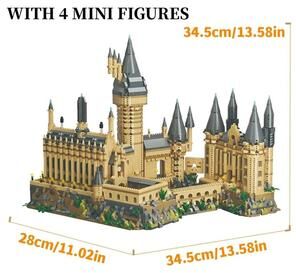
Inspire Picks Medieval Magic Castle Micro Building Block Set For Creative Architecture Play with LightEnter a world of fantasy, imagination, and handson creativity with this enchanting magic castle building block set inspired by medieval palaces and grand schoolstyle architecture. Designed with precision micro bricks, this detailed MOC construction...171,03 $*Shipping: 0,00 $Secure redirect to the provider
-
Inspire Curations Creative Medieval Magic Castle Micro Building Blocks School Architecture Palace DIY Set no LightStep into a world of imagination and craftsmanship with this intricate medieval castle building blocks set designed for creative minds. Built with precision micro bricks, this micro building blocks castle offers a detailed and rewarding assembly...225,50 $*Shipping: 0,00 $Secure redirect to the provider
-
Orion The Book of Humans by Adam Rutherford – A Brief History of Culture, Sex, War & EvolutionWHAT MAKES US HUMAN? Waging war? Sex for pleasure? Creating art? Mastery of fire? In this thrilling tour of the animal kingdom, Adam Rutherford tells the story of how we became the unique creatures we are today. Illuminated by the latest scientific discoveries, THE BOOK OF HUMANS is a dazzling compendium of what unequivocally fixes us as animals, and reveals how we are extraordinary among them.4,98 £*Shipping: 1,99 £Secure redirect to the provider
-
Uplift Essentials Medieval Magic Castle Micro Bricks School Architecture Palace Model High Yield Creative Interaction Hub no LightAchieve imagination optimization with this Precision MicroBrick Magic Castle. Specifically engineered for structural transparency, this highperformance technical tool acts as a vital tool for assembly efficiency, neutralizing the limitations of...224,97 $*Shipping: 0,00 $Secure redirect to the provider



-
Why are Turks so good at negotiating?
Turks are known for their strong negotiation skills due to their cultural values that emphasize hospitality, respect, and building relationships. They are skilled at building rapport and establishing trust with their counterparts, which is essential in successful negotiations. Additionally, Turks are known for their adaptability and creativity in finding mutually beneficial solutions during negotiations. Their ability to think on their feet and their strong communication skills also contribute to their effectiveness in negotiations. **
-
Was there a bluff in negotiating the salary?
No, there was no bluff in negotiating the salary. Both parties were transparent and honest in their discussions, leading to a fair and mutually beneficial agreement. Open communication and honesty are essential in salary negotiations to build trust and maintain a positive relationship between the employer and the employee. **
-
Is there a difference between bargaining and negotiating?
Bargaining and negotiating are similar in that they both involve discussions and compromise to reach an agreement. However, bargaining typically involves a more competitive and confrontational approach, with each party trying to get the best deal for themselves. Negotiating, on the other hand, tends to be more collaborative and focused on finding a mutually beneficial solution. In bargaining, there may be more emphasis on haggling over specific terms, while negotiating often involves a broader discussion of interests and priorities. **
-
Do you have to make compromises when negotiating?
Yes, making compromises is often necessary when negotiating. Both parties involved in a negotiation typically have different priorities and objectives, so finding a middle ground often requires making concessions. Compromises can help to build trust and goodwill between the parties, and ultimately lead to a mutually beneficial agreement. However, it's important to carefully consider which compromises are acceptable and to ensure that the final agreement aligns with your overall goals and values. **


Is there a difference between haggling and bargaining/negotiating?
Haggling typically involves a more aggressive and confrontational approach to negotiating a price, often with the goal of getting the best deal possible. Bargaining or negotiating, on the other hand, involves a more collaborative and mutually beneficial process where both parties work together to reach a fair agreement. While both haggling and bargaining involve discussing prices and terms, the main difference lies in the tone and approach used during the negotiation process. **
What salary can I demand after my training when negotiating?
When negotiating your salary after training, it's important to consider factors such as your level of experience, the industry standards for your role, and the specific skills and knowledge you bring to the table. Research the average salary for your position in your location and use that as a benchmark. Additionally, highlight any additional certifications or achievements you've gained during your training to demonstrate your value to the company. Be prepared to negotiate and be flexible, but also be confident in advocating for a fair and competitive salary based on your qualifications and the value you bring to the organization. **
Top-Angebote
Products related to Negotiating:
-
Penguin Never Split the Difference: Negotiating as if Your Life Depended on ItA former FBI hostage negotiator offers a new, field-tested approach to - effective in any situation.'Riveting' Adam Grant'Stupendous' The Week'Brilliant' GuardianAfter a stint policing the rough streets of Kansas City, Missouri, Chris Voss joined the FBI, where his career as a kidnapping negotiator brought him face-to-face with bank robbers, gang leaders and terrorists. Never Split the Difference takes you inside his world of high-stakes negotiations, revealing the nine key principles that helped Voss and his colleagues succeed when it mattered the most - when people's lives were at stake.Rooted in the real-life experiences of an intelligence professional at the top of his game, Never Split the Difference will give you the competitive edge in any discussion. PRAISE FOR NEVER SPLIT THE DIFFERENCE'My pick for book of the year.' Forbes'Who better to learn [negotiation] from than Chris Voss, whose skills have saved lives and averted disaster?' Daily Mail'Filled with insights that apply to everyday negotiations.' Business Insider'It's rare that a book is so gripping and entertaining while still being actionable and applicable.' Inc.'A business book you won't be able to put down.' Fortune7,99 £*Shipping: 2,99 £Secure redirect to the provider
-
From the Archives: Black History and Culture Value PackThis brand-new series is rooted in a profound commitment to shedding light on some of the important -- and often lesser-known -- aspects of Black history. From the Archives features landmarks, events, people, and artistic endeavors that have played...27,99 $*Shipping: 0,00 $Secure redirect to the provider
-
Inspire Picks Medieval Magic Castle Micro Building Block Set For Creative Architecture Play with LightEnter a world of fantasy, imagination, and handson creativity with this enchanting magic castle building block set inspired by medieval palaces and grand schoolstyle architecture. Designed with precision micro bricks, this detailed MOC construction...171,03 $*Shipping: 0,00 $Secure redirect to the provider
-
Inspire Curations Creative Medieval Magic Castle Micro Building Blocks School Architecture Palace DIY Set no LightStep into a world of imagination and craftsmanship with this intricate medieval castle building blocks set designed for creative minds. Built with precision micro bricks, this micro building blocks castle offers a detailed and rewarding assembly...225,50 $*Shipping: 0,00 $Secure redirect to the provider
-
What is the difference between negotiating subject and negotiating basis?
Negotiating subject refers to the specific issue or topic that is being discussed or resolved during a negotiation, such as price, terms, or delivery schedule. On the other hand, negotiating basis refers to the underlying principles, values, or criteria that guide the negotiation process, such as fairness, mutual benefit, or trust. While the negotiating subject is the tangible aspect of the negotiation, the negotiating basis is the intangible foundation that shapes how the negotiation is conducted and the ultimate outcome. It is important for negotiators to align both the subject and basis in order to reach a successful agreement. **
-
'For negotiating or for debating?'
For negotiating, it is important to focus on finding common ground and reaching a mutually beneficial agreement. This involves active listening, understanding the other party's perspective, and being open to compromise. On the other hand, for debating, the goal is often to persuade others to your point of view through presenting strong arguments and evidence. This may involve more assertive communication and a focus on winning the argument rather than finding a compromise. Both negotiating and debating require effective communication skills, but the approach and goals are different. **
-
Why are Turks so good at negotiating?
Turks are known for their strong negotiation skills due to their cultural values that emphasize hospitality, respect, and building relationships. They are skilled at building rapport and establishing trust with their counterparts, which is essential in successful negotiations. Additionally, Turks are known for their adaptability and creativity in finding mutually beneficial solutions during negotiations. Their ability to think on their feet and their strong communication skills also contribute to their effectiveness in negotiations. **
-
Was there a bluff in negotiating the salary?
No, there was no bluff in negotiating the salary. Both parties were transparent and honest in their discussions, leading to a fair and mutually beneficial agreement. Open communication and honesty are essential in salary negotiations to build trust and maintain a positive relationship between the employer and the employee. **
Similar search terms for Negotiating
-
Orion The Book of Humans by Adam Rutherford – A Brief History of Culture, Sex, War & EvolutionWHAT MAKES US HUMAN? Waging war? Sex for pleasure? Creating art? Mastery of fire? In this thrilling tour of the animal kingdom, Adam Rutherford tells the story of how we became the unique creatures we are today. Illuminated by the latest scientific discoveries, THE BOOK OF HUMANS is a dazzling compendium of what unequivocally fixes us as animals, and reveals how we are extraordinary among them.4,98 £*Shipping: 1,99 £Secure redirect to the provider
-
Uplift Essentials Medieval Magic Castle Micro Bricks School Architecture Palace Model High Yield Creative Interaction Hub no LightAchieve imagination optimization with this Precision MicroBrick Magic Castle. Specifically engineered for structural transparency, this highperformance technical tool acts as a vital tool for assembly efficiency, neutralizing the limitations of...224,97 $*Shipping: 0,00 $Secure redirect to the provider
-
Timeline Refresh 2026 - Clutch Box by Zygomatic, Card Game for 2-4 Players, Ages 10+, History and Culture TriviaTest your knowledge of history, culture, and everyday events with Timeline Refresh 2026, a compact card game for family and friends. Each round challenges players to place event cards in the correct chronological position, using the timeline already on the table as their guide. Choose an event card, estimate when it happened, and add it to the timeline. If your placement is correct, the card remains in play; if not, it is removed. The first player to position all their cards correctly wins. The game's accessible rules and varied subject matter make it an engaging way to challenge your memory and learn interesting facts while playing. The clutch box format is designed for convenient storage and portability.10,59 £*Shipping: 3,95 £Secure redirect to the provider
-
Inspire Picks Medieval Magic Castle Micro Building Block Set For Creative Architecture Play no LightEnter a world of fantasy, imagination, and handson creativity with this enchanting magic castle building block set inspired by medieval palaces and grand schoolstyle architecture. Designed with precision micro bricks, this detailed MOC construction...167,25 $*Shipping: 0,00 $Secure redirect to the provider
-
Is there a difference between bargaining and negotiating?
Bargaining and negotiating are similar in that they both involve discussions and compromise to reach an agreement. However, bargaining typically involves a more competitive and confrontational approach, with each party trying to get the best deal for themselves. Negotiating, on the other hand, tends to be more collaborative and focused on finding a mutually beneficial solution. In bargaining, there may be more emphasis on haggling over specific terms, while negotiating often involves a broader discussion of interests and priorities. **
-
Do you have to make compromises when negotiating?
Yes, making compromises is often necessary when negotiating. Both parties involved in a negotiation typically have different priorities and objectives, so finding a middle ground often requires making concessions. Compromises can help to build trust and goodwill between the parties, and ultimately lead to a mutually beneficial agreement. However, it's important to carefully consider which compromises are acceptable and to ensure that the final agreement aligns with your overall goals and values. **
-
Is there a difference between haggling and bargaining/negotiating?
Haggling typically involves a more aggressive and confrontational approach to negotiating a price, often with the goal of getting the best deal possible. Bargaining or negotiating, on the other hand, involves a more collaborative and mutually beneficial process where both parties work together to reach a fair agreement. While both haggling and bargaining involve discussing prices and terms, the main difference lies in the tone and approach used during the negotiation process. **
-
What salary can I demand after my training when negotiating?
When negotiating your salary after training, it's important to consider factors such as your level of experience, the industry standards for your role, and the specific skills and knowledge you bring to the table. Research the average salary for your position in your location and use that as a benchmark. Additionally, highlight any additional certifications or achievements you've gained during your training to demonstrate your value to the company. Be prepared to negotiate and be flexible, but also be confident in advocating for a fair and competitive salary based on your qualifications and the value you bring to the organization. **
* All prices are inclusive of VAT and, if applicable, plus shipping costs. The offer information is based on the details provided by the respective shop and is updated through automated processes. Real-time updates do not occur, so deviations can occur in individual cases. ** Note: Parts of this content were created by AI.