Buy castlelouisiana.com ?
We are moving the project
castlelouisiana.com .
Are you interested in purchasing the domain
castlelouisiana.com ?
domain@kv-gmbh.de · 0541-91531010
Buy castlelouisiana.com ?
What is pediatric oncology?
Pediatric oncology is a medical specialty focused on the diagnosis and treatment of cancer in children. This field involves the care of children with various types of cancer, including leukemia, brain tumors, and solid tumors. Pediatric oncologists work closely with a multidisciplinary team to provide comprehensive care, including chemotherapy, radiation therapy, and surgery, as well as supportive care to manage the side effects of treatment. The goal of pediatric oncology is to provide the best possible outcomes for children with cancer while minimizing the long-term effects of treatment. **
What is the difference between a pediatric nurse and a pediatric nurse?
A pediatric nurse is a registered nurse who specializes in providing healthcare to children from infancy through adolescence. They are trained to assess, diagnose, and treat common childhood illnesses and injuries. On the other hand, a pediatrician is a medical doctor who specializes in the care of children, including diagnosing and treating illnesses, providing preventive care, and managing the overall health of children. While both professions focus on the health and well-being of children, pediatric nurses work under the supervision of pediatricians and provide direct patient care, while pediatricians have the authority to diagnose and prescribe treatment independently. **


Similar search terms for Pediatric
Top-Angebote
Products related to Pediatric:
-
Babé Pediatric Bath Gel 500mLA cleansing product. The This product has a delicate cleansing action that protects your baby's skin. Babé's Baby-Care complex allows you to maintain skin moisturization and natural protection, while providing softness and freshness. Apply on damp skin, massage and rinse thoroughly.6,05 £*Shipping: 9,91 £Secure redirect to the provider
-
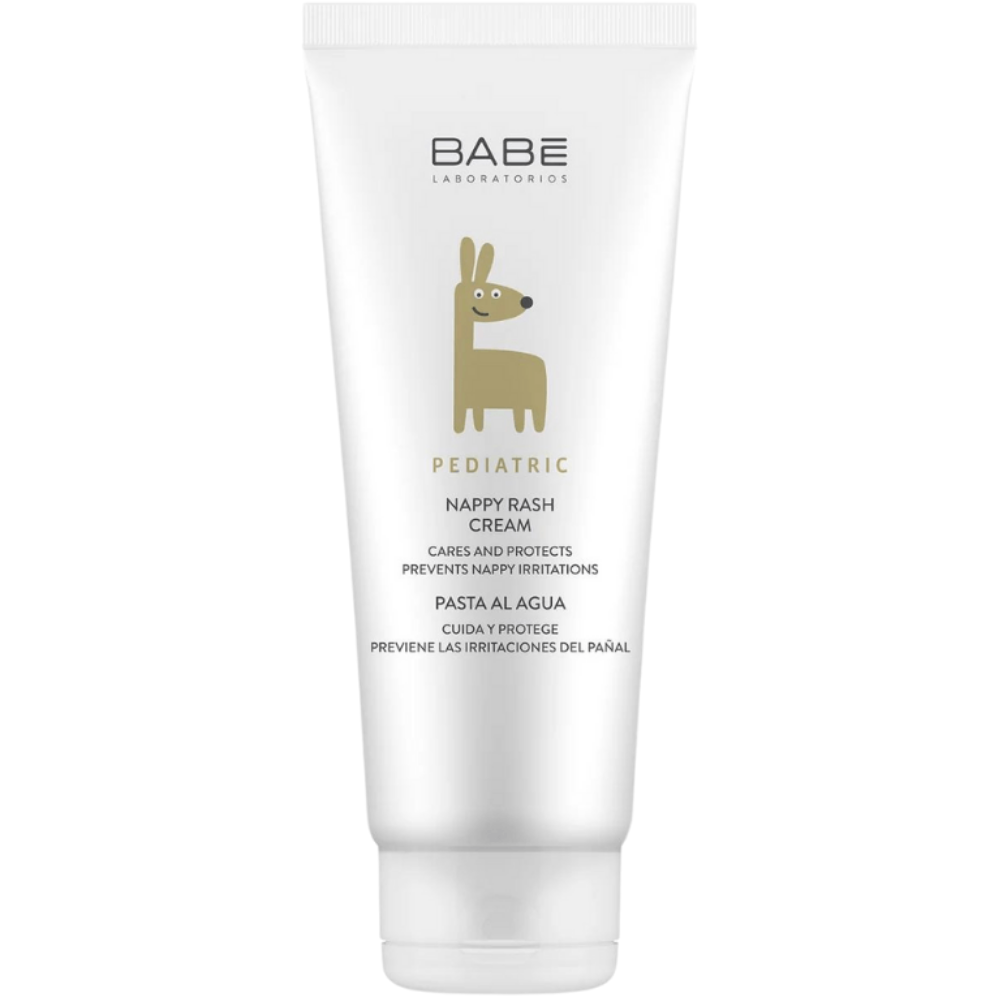
Babé Pediatric Nappy Rash Cream 100mLA skin-care product. The This product allows you to protect, soothe and repair irritated skin. Non-occlusive formulation, which allows to. It's absorbent texture allows to retain the irritating secretions thanks to zinc oxide (10%) and titanium dioxide (2%). Additionally, this product also contains panthenol and allantoin.6,43 £*Shipping: 5,28 £Secure redirect to the provider
-
Babé Pediatric Moisturizing Body Milk 100mLA facial cream for sensitive skin. With Babé Baby-care complex and apple extract, this moisturizer also allows to soothe and comfort your baby's skin. Apply on clean and dry skin, massaging until the product is completely absorbed.2,47 £*Shipping: 5,28 £Secure redirect to the provider


-
What is the training for a pediatric nurse or pediatric nurse practitioner?
Pediatric nurses typically complete a Bachelor of Science in Nursing (BSN) degree and then obtain a Registered Nurse (RN) license. They may also pursue a Master of Science in Nursing (MSN) with a focus on pediatrics to become a pediatric nurse practitioner. This advanced training includes coursework in pediatric health assessment, pharmacology, and management of pediatric illnesses. Additionally, pediatric nurse practitioners complete clinical rotations in pediatric settings to gain hands-on experience in providing care to children and adolescents. **
-
What is the difference between a pediatric nurse and a pediatric nurse practitioner?
A pediatric nurse is a registered nurse who specializes in providing care to children and adolescents. They work under the supervision of doctors and nurse practitioners, assisting with patient care, administering medications, and educating families. On the other hand, a pediatric nurse practitioner is an advanced practice registered nurse who has completed additional education and training to diagnose, treat, and manage acute and chronic illnesses in children. They have the authority to prescribe medications, order diagnostic tests, and provide a higher level of care independently. **
-
What is a pediatric nurse?
A pediatric nurse is a healthcare professional who specializes in providing medical care to infants, children, and adolescents. They work closely with pediatricians and other healthcare providers to assess, diagnose, and treat young patients. Pediatric nurses are trained to address the unique physical, emotional, and developmental needs of children, and they play a crucial role in promoting the health and well-being of pediatric patients. **
-
What experiences have pediatric nurses had?
Pediatric nurses have a wide range of experiences caring for children of all ages, from newborns to adolescents. They are trained to provide specialized care for children with various medical conditions, such as asthma, diabetes, and cancer. Pediatric nurses also have experience administering vaccinations, conducting developmental screenings, and providing education and support to families. Additionally, they often work closely with pediatricians and other healthcare professionals to ensure the best possible outcomes for their young patients. **

What does a pediatric nurse do?
A pediatric nurse specializes in providing healthcare to infants, children, and adolescents. They work closely with pediatricians to assess, diagnose, and treat illnesses and injuries specific to this age group. Pediatric nurses also educate patients and their families on proper care and treatment plans, as well as provide emotional support during challenging times. Their goal is to promote the health and well-being of children and help them grow into healthy adults. **
What happens during a pediatric cardiology examination?
During a pediatric cardiology examination, the doctor will typically start by taking a detailed medical history of the child and family. They will then perform a physical examination, focusing on the heart and circulatory system. This may involve listening to the heart with a stethoscope, checking blood pressure, and looking for any signs of heart problems. Depending on the findings, further tests such as an electrocardiogram (ECG), echocardiogram, or stress test may be ordered to evaluate the child's heart health. The doctor will then discuss the results with the family and recommend any necessary treatment or follow-up care. **
Top-Angebote
Products related to Pediatric:
-
Babé Pediatric Facial Moisturizer 50mLA facial cream. The Pediatric Face Moisturizer allows you to enhance the natural protection from the skin of infants and children, protecting it from external aggressions. The formulation contains 1% Garcinia indica butter, which is able to prevent water loss. Its creamy texture allows a quick absorpton, leaving the skin feeling nourished and velvety.6,78 £*Shipping: 5,28 £Secure redirect to the provider
-
Ysana PhysioTuss Pediatric 140 mlNutrition and Supplements Royal jelly, bee pollen and propolis Ysana PhysioTuss Pediatric 140 ml Coughing is a physiological defense mechanism in our body. Its purpose is to facilitate the expulsion of foreign substances and secretions caused by respiratory tract infections. For this reason, it is important to regulate the cough mechanism while respecting its important function. PhysioTuss Pediatric is a 100% natural, preservative-free syrup formulated for the treatment of any cough, both dry and productive. Its exclusive formula based on natural marshmallow extract, with honey and strawberry flavor, completes its formulation, giving it a fresh and pleasant flavor. PhysioTuss Pediatric forms a protective barrier on the pharyngeal mucosa, thanks to the action of xanthan gum and gum arabic, which protect the throat from contact with irritating agents and pathogenic microorganisms, relieving irritation and keeping it hydrated and lubricated. At the same time, PhysioTuss Pediatric hydrates and reduces the viscosity of mucus to promote its expulsion, thanks to the action of cane sugar, which stimulates salivation and increases the water content in the mucus to make it more fluid. In this way, PhysioTuss Pediatric soothes, hydrates, and protects the upper respiratory tract, allowing a comprehensive approach to both dry and productive coughs. Instructions for Use: For children between 1 and 5 years old, it is recommended to take 5 ml of syrup three times a day. For children between 6 and 11 years old, it is recommended to take 10 ml of syrup three times a day. It is recommended to take the last dose before going to sleep. For hygienic reasons and to prevent the transmission of pathogens, the dosing cup should not be used by more than one person. Instructions for use: – Shake before use. – Remove the measuring cup and protective cap from the bottle. – Take the recommended dose according to your age. – After each use, close the bottle properly and lift and dry the measuring cup.9,51 £*Shipping: 3,99 £Secure redirect to the provider
-
Babé Pediatric Bath Gel 500mLA cleansing product. The This product has a delicate cleansing action that protects your baby's skin. Babé's Baby-Care complex allows you to maintain skin moisturization and natural protection, while providing softness and freshness. Apply on damp skin, massage and rinse thoroughly.6,05 £*Shipping: 9,91 £Secure redirect to the provider
-
Babé Pediatric Nappy Rash Cream 100mLA skin-care product. The This product allows you to protect, soothe and repair irritated skin. Non-occlusive formulation, which allows to. It's absorbent texture allows to retain the irritating secretions thanks to zinc oxide (10%) and titanium dioxide (2%). Additionally, this product also contains panthenol and allantoin.6,43 £*Shipping: 5,28 £Secure redirect to the provider
-
What is pediatric oncology?
Pediatric oncology is a medical specialty focused on the diagnosis and treatment of cancer in children. This field involves the care of children with various types of cancer, including leukemia, brain tumors, and solid tumors. Pediatric oncologists work closely with a multidisciplinary team to provide comprehensive care, including chemotherapy, radiation therapy, and surgery, as well as supportive care to manage the side effects of treatment. The goal of pediatric oncology is to provide the best possible outcomes for children with cancer while minimizing the long-term effects of treatment. **
-
What is the difference between a pediatric nurse and a pediatric nurse?
A pediatric nurse is a registered nurse who specializes in providing healthcare to children from infancy through adolescence. They are trained to assess, diagnose, and treat common childhood illnesses and injuries. On the other hand, a pediatrician is a medical doctor who specializes in the care of children, including diagnosing and treating illnesses, providing preventive care, and managing the overall health of children. While both professions focus on the health and well-being of children, pediatric nurses work under the supervision of pediatricians and provide direct patient care, while pediatricians have the authority to diagnose and prescribe treatment independently. **
-
What is the training for a pediatric nurse or pediatric nurse practitioner?
Pediatric nurses typically complete a Bachelor of Science in Nursing (BSN) degree and then obtain a Registered Nurse (RN) license. They may also pursue a Master of Science in Nursing (MSN) with a focus on pediatrics to become a pediatric nurse practitioner. This advanced training includes coursework in pediatric health assessment, pharmacology, and management of pediatric illnesses. Additionally, pediatric nurse practitioners complete clinical rotations in pediatric settings to gain hands-on experience in providing care to children and adolescents. **
-
What is the difference between a pediatric nurse and a pediatric nurse practitioner?
A pediatric nurse is a registered nurse who specializes in providing care to children and adolescents. They work under the supervision of doctors and nurse practitioners, assisting with patient care, administering medications, and educating families. On the other hand, a pediatric nurse practitioner is an advanced practice registered nurse who has completed additional education and training to diagnose, treat, and manage acute and chronic illnesses in children. They have the authority to prescribe medications, order diagnostic tests, and provide a higher level of care independently. **
Similar search terms for Pediatric
-
Babé Pediatric Moisturizing Body Milk 100mLA facial cream for sensitive skin. With Babé Baby-care complex and apple extract, this moisturizer also allows to soothe and comfort your baby's skin. Apply on clean and dry skin, massaging until the product is completely absorbed.2,47 £*Shipping: 5,28 £Secure redirect to the provider
-
Babé Pediatric Gel for Intimate Hygiene 200mLA cleansing product. The This product is a soft cleansing care with enriched formulation. The association of Babé Baby-care complex with betaine, lactic acid and alpha-glucans allows you to moisturize and promote the balance from this particular zone, preventing irritations' development. Apply to damp skin, massage and rinse thoroughly.6,05 £*Shipping: 7,03 £Secure redirect to the provider
-
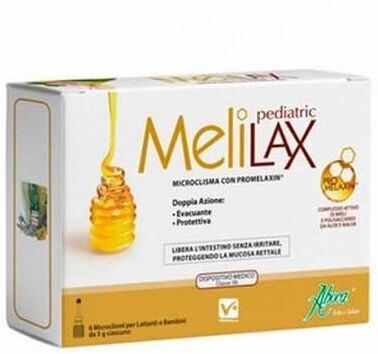
Aboca Melilax Pediatric 6 Microenemas 5 grNutrition and Supplements Royal jelly, bee pollen and propolis Aboca Melilax Pediatric 6 Microenemas 5 gr Microenema for infants and children up to 12 years of age. Microenema with promelaxin. MeliLax exerts an evacuating action that induces a stimulus that activates defecation. MeliLax also, thanks to its mucus-like properties and viscosity, protects the rectal mucosa during the passage of feces. These special properties, together with its antioxidant action, give the product the ability to protect and consequently soothe the mucosa. Directions: • MeliLax is indicated for the treatment of constipation, even in the presence of visceral hypersensitivity (such as irritable bowel syndrome), anal fissures and hemorrhoids. • The product loosens the bowel and reduces the discomfort, irritation, and inflammation that accompany constipation. MeliLax is also suitable for use during pregnancy and breastfeeding. How It Works: • MeliLax combines an evacuating action with a protective and consequently soothing action on the rectal mucosa. • The dual action of MeliLax is obtained thanks to PROMELAXIN, a complex of nectar and honeydew honeys carefully selected and prepared according to their monosaccharide, polysaccharide and melanoidin content, enriched with the polysaccharide fraction of Aloe and Mallow. Instructions for Use: 1) Open the microenema by removing the safety cannula cover: • Hold the white round ring located on the bellows. • With the other hand, bend the cannula cover until it breaks and the ring is completely separated. • Remove the cannula cover. 2) Apply a few drops of product to the perianal area and gently insert the cannula into the rectum. 3) Fully compress the microenema and, once application is complete, hold it down until the cannula is completely removed, to prevent the product from being re-aspirated.9,61 £*Shipping: 3,99 £Secure redirect to the provider
-
What is a pediatric nurse?
A pediatric nurse is a healthcare professional who specializes in providing medical care to infants, children, and adolescents. They work closely with pediatricians and other healthcare providers to assess, diagnose, and treat young patients. Pediatric nurses are trained to address the unique physical, emotional, and developmental needs of children, and they play a crucial role in promoting the health and well-being of pediatric patients. **
-
What experiences have pediatric nurses had?
Pediatric nurses have a wide range of experiences caring for children of all ages, from newborns to adolescents. They are trained to provide specialized care for children with various medical conditions, such as asthma, diabetes, and cancer. Pediatric nurses also have experience administering vaccinations, conducting developmental screenings, and providing education and support to families. Additionally, they often work closely with pediatricians and other healthcare professionals to ensure the best possible outcomes for their young patients. **
-
What does a pediatric nurse do?
A pediatric nurse specializes in providing healthcare to infants, children, and adolescents. They work closely with pediatricians to assess, diagnose, and treat illnesses and injuries specific to this age group. Pediatric nurses also educate patients and their families on proper care and treatment plans, as well as provide emotional support during challenging times. Their goal is to promote the health and well-being of children and help them grow into healthy adults. **
-
What happens during a pediatric cardiology examination?
During a pediatric cardiology examination, the doctor will typically start by taking a detailed medical history of the child and family. They will then perform a physical examination, focusing on the heart and circulatory system. This may involve listening to the heart with a stethoscope, checking blood pressure, and looking for any signs of heart problems. Depending on the findings, further tests such as an electrocardiogram (ECG), echocardiogram, or stress test may be ordered to evaluate the child's heart health. The doctor will then discuss the results with the family and recommend any necessary treatment or follow-up care. **
* All prices are inclusive of VAT and, if applicable, plus shipping costs. The offer information is based on the details provided by the respective shop and is updated through automated processes. Real-time updates do not occur, so deviations can occur in individual cases. ** Note: Parts of this content were created by AI.