Buy castlelouisiana.com ?
We are moving the project
castlelouisiana.com .
Are you interested in purchasing the domain
castlelouisiana.com ?
domain@kv-gmbh.de · 0541-91531010
Buy castlelouisiana.com ?
What are electricity and high culture history?
Electricity history refers to the development and use of electricity as a form of energy, including the discovery of electricity, the invention of electric devices, and the establishment of electrical systems. High culture history, on the other hand, refers to the history of cultural and artistic achievements that are considered to be of high quality and sophistication, such as classical music, literature, fine arts, and theater. Both electricity and high culture history have evolved over time, shaping the way we live and appreciate the world around us. **
What is the difference between low culture and high culture in history?
Low culture refers to the cultural activities and products that are considered to be more common, popular, and easily accessible to the general public. This can include things like popular music, television shows, and mass-produced literature. On the other hand, high culture refers to the cultural activities and products that are considered to be more refined, sophisticated, and often associated with the elite or educated classes. This can include things like classical music, fine art, and literature that is considered to be more intellectually challenging. The distinction between low and high culture has been a source of debate and has evolved over time, but it generally reflects the social and class divisions within a society. **
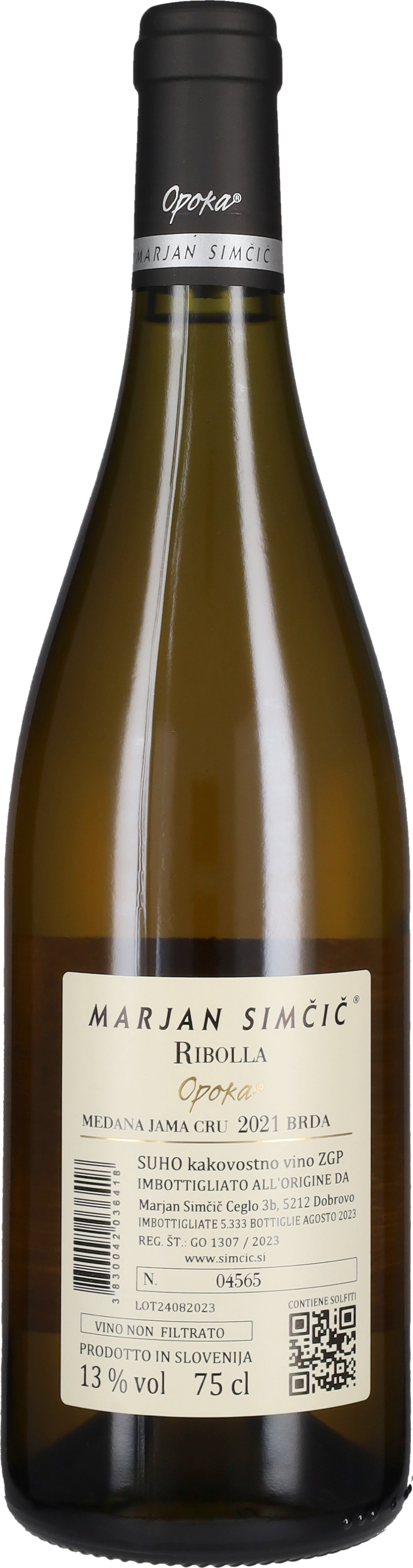

Similar search terms for Simcic-Marjan-Ribolla-Gialla
Top-Angebote
Products related to Simcic-Marjan-Ribolla-Gialla:
-
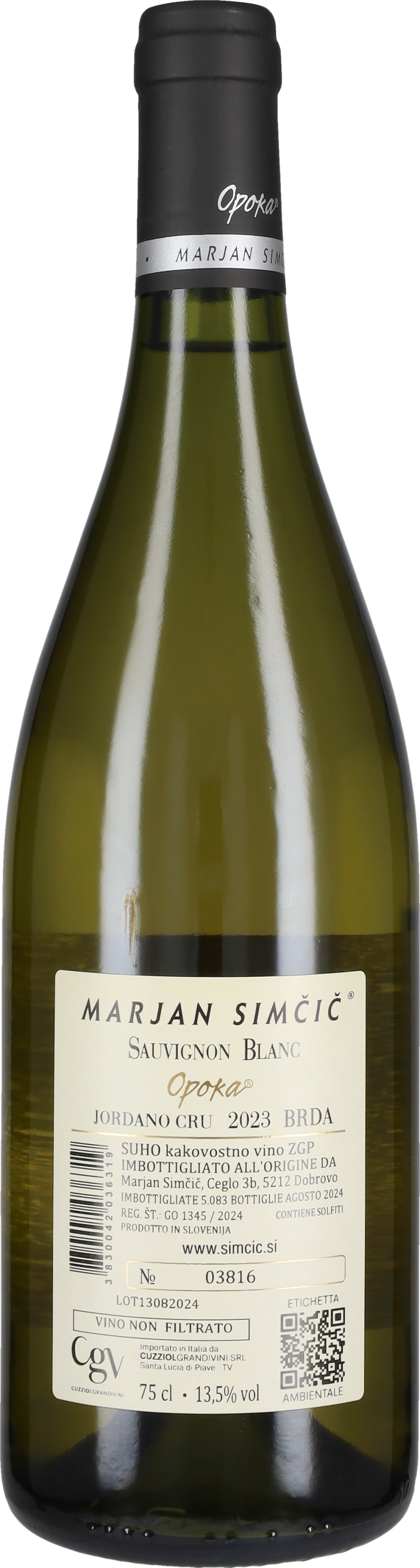
Simcic Marjan Sauvignon 'Opoka' Marjan Simcic 2023Il Sauvignon “Opoka” è una delle più eleganti e complesse espressioni di Marjan Simcic, un brillante e appassionato vignaiolo del Goriska Brda, cioè del Collio Sloveno. Dopo anni di esperienza e valutazioni scientifiche, Marjan ha individuato i terreni più minerali e ricchi di ‘opoka’, cioè di marne calcaree, adibendoli alla produzione dei suoi vini importanti e prestigiosi. Il Sauvignon “Opoka” nasce da uve raccolte in un unico vigneto di quasi 50 anni, chiamato Jordano, posto a 250 metri di altitudine. La filosofia produttiva di Marjan Simcic è volta alla valorizzazione delle naturali peculiarità del territorio e delle uve. Per questo viene praticata un’agricoltura biologica, senza uso di pesticidi, e in cantina si cerca di intervenire il meno possibile: le fermentazione avvengono spontaneamente grazie all’azione dei lieviti indigeni in tini troncoconici di rovere da 40 hl, con macerazione sulle bucce per 4 giorni, al fine di ottenere una ricca estrazione aromatica. Il vino viene poi imbottigliato nei giorni di luna calante senza subire chiarifiche o filtrazioni. Un lungo affinamento di 23 mesi in botti di rovere da 3 hl e di almeno 4 mesi in bottiglia completa il processo produttivo e permette di ottenere un vino complesso dall’ampio potenziale evolutivo. Il Sauvignon “Opoka” di Simcic si presente nel calice in un colore giallo paglierino carico, dotato di sfumature dorate che raggiungono sempre più intensità con gli anni. Il bouquet è ricco e complesso, dotato di eleganza e precisione, con sentori di frutta ed erbe aromatiche in primo piano: pesca, scorza di agrumi, sambuco, paprica, foglia di pomodoro e basilico. Una complessa nota di cuoio completa il quadro olfattivo e lo dota di personalità e carattere. Il sorso è intenso, morbido e avvolgente, di grande ricchezza e interminabile persistenza.50,00 £*Shipping: 48,00 £Secure redirect to the provider
-
Simcic Marjan Sauvignon Vert Marjan Simcic 2025The Sauvignon Vert by Simcic combines material richness and ease of drinking, for a liquid that makes extreme gastronomic versatility its strong point. The Simcic family is one of those that seriously and conscientiously preserves the winemaking tradition of Collio, with holdings located between the Italian and Slovenian parts of the area. An approach aimed at the least possible intervention, both in the vineyard where insecticides and fertilizers are banned, and in the cellar where fermentations occur spontaneously. Grapes are harvested at full ripeness, sometimes even overripe, so that the berries develop extracts and richness. The result is extremely expressive and sensual liquids due to seductive texture, which coat the palate. The white Sauvignon Vert is obtained from pure grapes of the same name, a local indigenous variety that recent research identifies as Friulano. The vines that produce the wine are between 28 and 48 years old and rest on marl-sandy soils. After the manual harvesting of the grapes with careful selection, the bunches are transported to the cellar where after destemming and crushing, fermentation will spontaneously begin in steel containers. The liquid matures in steel for 7 months in contact with the fine lees. The Sauvignon Vert wine descends into the glass with an intense yellow hue, shifting towards gold. The over-ripening with which the grapes are harvested gives the liquid richness and complexity, with notes of toasted almond, yellow-fleshed fruit, and refreshing balsamic puffs. The mouth does not hide its aromatic and material generosity, which manifests in a liquid always ready to envelop and satisfy the palate, yet never predictable. It plays on the elegance and cohesion of the components, and it is a versatile bottle that ranges from appetizers to more complex fish-based preparations, even in sauce.19,00 £*Shipping: 48,00 £Secure redirect to the provider
-
Simcic Marjan Chardonnay 'Opoka' Marjan Simcic 2024skins for about 4 days in 3000-liter oak vats. The actual aging lasts 23 months in 2500-liter oak barrels with an additional 4 months resting in glass. The Chardonnay Opoka wine has a golden hue, bordering on amber. Great richness and definition, which manifests in hints of melted butter, hazelnut, honey, and dried fruit. The aging in wood brings a slight toastiness, which completes the olfactory picture. On the palate, the wine does not disappoint expectations, showing power and velvety texture, enlivened by a backbone made of sapidity and slight freshness. Endless length and cohesion for a great bottle, destined for special occasions.skins for about 4 days in 3000-liter oak vats. The actual aging lasts 23 months in 2500-liter oak barrels with an additional 4 months resting in glass. The Chardonnay Opoka wine has a golden hue, bordering on amber. Great richness and definition, which manifests in hints of melted butter, hazelnut, honey, and dried fruit. The aging in wood brings a slight toastiness, which completes the olfactory picture. On the palate, the wine does not disappoint expectations, showing power and velvety texture, enlivened by a backbone made of sapidity and slight freshness. Endless length and cohesion for a great bottle, destined for special occasions.52,00 £*Shipping: 48,00 £Secure redirect to the provider
-
Simcic Marjan Sauvignon 'Cru Selection' Marjan Simcic 2024Il Sauvignon Selekcija di Marjan Simcic congiunge esuberanza aromatica e finezza, ennesima interpretazioni dotata di grande nitore. Non è una novità, perlomeno non per gli appassionati, scoprire che Marjan Simcic ha fatto centro ancora con una splendida interpretazione di Sauvignon in quel di Brda, pieno Collio sloveno. Vigne vecchie, frutto di una selezione quasi maniacale, e interventismo in cantina ridotto ai minimi termini, sono il preludio a bottiglie che lasciano il segno poiché uniscono spontaneità espressiva a grande pulizia. Oggi gli ettari vitati sono circa 18, popolati dal più noto vitigno locale, ovvero la Ribolla Gialla, affiancato da alloctoni perfettamente adattati quali Sauvignon, Chardonnay e Pinot Nero. Qualità prezzo particolarmente vantaggiosa, per una perla da non farsi sfuggire! Il Selekcija Sauvignon è ottenuto a partire da uve in purezza dell'omonimo vitigno, provenienti da una selezione di vigne di età compresa tra i 20 e i 40 anni site a 120-250 metri di altitudine su terreni argillosi e con la tradizionale "flysch". Tutte le vigne vengono coltivate seguendo i dettami dell'agricoltura biologica, pertanto senza l'utilizzo di alcuna sostanza chimica o di sintesi. In cantina, dopo una macerazione sulle bucce di 4 giorni, si prosegue con fermentazione spontanea senza che il liquido subisca chiarifiche o filtrazioni. Il vino affina per 12 mesi in botti di rovere da 4 o 5 ettolitri e per 5 mesi in botti di rovere francese. Il Simcic Selekcija irrora il calice con il suo colore dorato intenso e vivace. Naso estremamente ricco e multiforme, che non lesina richiami alla frutta gialla matura, al mondo floreale, al tabacco, alle spezie orientali e alla salvia. Ravviva l'olfazione un delicato sentore minerale, sottotraccia, estremamente tipico nei vini di Marjan. L'assaggio restituisce un liquido che coniuga perfettamente materia e freschezza, la polpa fodera il palato, ma la parte salina allunga il vino, facendo sorgere la necessità di un nuovo sorso. Sfuma su toni speziati, di grande eleganza. Finezza e definizione.35,00 £*Shipping: 48,00 £Secure redirect to the provider


-
Does anyone know about the Islamic Golden Age in architecture and culture?
Yes, the Islamic Golden Age was a period of great cultural and architectural achievements in the Islamic world, spanning from the 8th to the 14th century. During this time, Islamic scholars made significant advancements in fields such as mathematics, astronomy, medicine, and philosophy. In terms of architecture, the Islamic world produced stunning examples of mosques, palaces, and other structures, characterized by intricate geometric patterns, domes, and arches. This period also saw the development of beautiful decorative arts such as calligraphy, ceramics, and textiles. Overall, the Islamic Golden Age left a lasting legacy in both architecture and culture. **
-
Is mass tourism a necessary economic factor or a destruction of culture and environment?
Mass tourism can be seen as a necessary economic factor as it brings in revenue and creates jobs in the tourism industry. However, it can also be destructive to culture and the environment if not managed properly. Overcrowding, pollution, and the commercialization of local traditions can lead to the degradation of cultural heritage and natural resources. Therefore, it is important to strike a balance between the economic benefits of mass tourism and the preservation of culture and the environment. **
-
What is a question about the history of Romanesque architecture?
How did Romanesque architecture evolve from the earlier Carolingian and Byzantine styles? **
-
Can you please give a presentation about Louisiana?
Sure! Louisiana is a state located in the southern region of the United States. It is known for its rich cultural heritage, including a mix of French, Spanish, African, and Native American influences. The state is famous for its vibrant music scene, particularly in the genres of jazz, blues, and zydeco. Louisiana is also home to unique cuisine, such as gumbo, jambalaya, and beignets. The city of New Orleans is a major cultural hub, known for its annual Mardi Gras celebration and historic French Quarter. The state also boasts beautiful natural landscapes, including the bayous of the Mississippi River Delta and the scenic Gulf Coast. **

Can you help me with the art, culture, and history exam?
Of course! I can help you with the art, culture, and history exam by providing information, explanations, and answering any specific questions you may have. I can also assist in reviewing key concepts, important figures, and significant events related to these subjects. Feel free to ask me anything you need help with, and I'll do my best to assist you in preparing for your exam. **
Which castle is it, Castle Salem or Castle Neubeuern?
The castle in the image is Castle Neubeuern. This can be identified by the distinctive tower on the left side of the castle, which is a unique feature of Castle Neubeuern. Additionally, the architecture and layout of the castle match that of Castle Neubeuern, known for its picturesque setting in the Bavarian Alps. **
Top-Angebote
Products related to Simcic-Marjan-Ribolla-Gialla:
-
Simcic Marjan Ribolla Gialla 'Opoka' Marjan Simcic 2022premise for the selection of grapes that takes place strictly by hand and with spontaneous fermentations carried out in contact with the skins for about 6 days in truncated-conical oak vats without the addition of selected yeasts. No filtration or clarification for what is a true manifesto of terroir. Before bottling, the liquid ages for 8 months in 4000-liter oak barrels and for 11 months in 500-liter oak barrels. The Ribolla Gialla "Opoka" wine enchants as soon as poured into the glass with its intense golden hue edged with slight orange reflections. The nose is stunning in intensity, profoundly deep, alternating mineral bursts with toasted notes, and has a progression that stands out for its finesse and cohesion. The sip is tasty and filling, yet always reactive as it is supported by a structure made of salt and freshness. A nectar of great class, an example of how spontaneity and elegance can coexist. A must!premise for the selection of grapes that takes place strictly by hand and with spontaneous fermentations carried out in contact with the skins for about 6 days in truncated-conical oak vats without the addition of selected yeasts. No filtration or clarification for what is a true manifesto of terroir. Before bottling, the liquid ages for 8 months in 4000-liter oak barrels and for 11 months in 500-liter oak barrels. The Ribolla Gialla "Opoka" wine enchants as soon as poured into the glass with its intense golden hue edged with slight orange reflections. The nose is stunning in intensity, profoundly deep, alternating mineral bursts with toasted notes, and has a progression that stands out for its finesse and cohesion. The sip is tasty and filling, yet always reactive as it is supported by a structure made of salt and freshness. A nectar of great class, an example of how spontaneity and elegance can coexist. A must!49,00 £*Shipping: 48,00 £Secure redirect to the provider
-
Simcic Marjan Ribolla Gialla 'Cru Selection' Marjan Simcic 2024The Ribolla Gialla "Cru Selection" by Marjan Simcic is a white wine complex and endowed with a caressing texture, the result of a selection of old vines. We have already spent several words regarding Marjan Simcic, a talented winemaker from the Slovenian Collio, but with every tasting of his liquids, we can only reiterate how his bottles manage to combine a deep and personal style with an enviable tasting purity. 18 hectares of vineyard, located between Italy and Slovenia, cultivated without the use of any chemical or synthetic substances. And then a respectful work in the cellar, where fermentations occur spontaneously and the liquids obtained undergo no filtration. A magical terroir, in one of its clearest and most sparkling interpretations! The "Cru Selection" Ribolla Gialla is obtained from pure grapes of the same name, coming from a careful selection of vines over 50 years old, situated at 200-250 meters above sea level and placed on marl soils. Vineyards cultivated organically, and strictly manual harvesting, precede a winemaking process that also in the cellar occurs with extremely reduced intervention.extremely reduced. Spontaneous fermentation with maceration of the must on the skins for 6 days, without the liquid being filtered or clarified. Aging for 12 months in 3-hectoliter oak vats and for 11 months in French oak barrels. The Ribolla Gialla "Cru Selection" presents itself in the glass with its straw-yellow hue, edged with golden reflections. A varied and multifaceted nose, which successively offers clear hints of orange peel, dried fruit, candied fruit, and oriental spices. Mineral bursts enliven the olfaction, remaining delicately in the background. On the palate, the liquid reveals all its personality, immediately showing its generous glyceric side, which makes the wine soft and welcoming, always balanced by a measured contribution of freshness and sapidity. Great charm, for a white that stands as a manifesto of Marjan's philosophy.30,00 £*Shipping: 48,00 £Secure redirect to the provider
-
Simcic Marjan Sauvignon 'Opoka' Marjan Simcic 2023Il Sauvignon “Opoka” è una delle più eleganti e complesse espressioni di Marjan Simcic, un brillante e appassionato vignaiolo del Goriska Brda, cioè del Collio Sloveno. Dopo anni di esperienza e valutazioni scientifiche, Marjan ha individuato i terreni più minerali e ricchi di ‘opoka’, cioè di marne calcaree, adibendoli alla produzione dei suoi vini importanti e prestigiosi. Il Sauvignon “Opoka” nasce da uve raccolte in un unico vigneto di quasi 50 anni, chiamato Jordano, posto a 250 metri di altitudine. La filosofia produttiva di Marjan Simcic è volta alla valorizzazione delle naturali peculiarità del territorio e delle uve. Per questo viene praticata un’agricoltura biologica, senza uso di pesticidi, e in cantina si cerca di intervenire il meno possibile: le fermentazione avvengono spontaneamente grazie all’azione dei lieviti indigeni in tini troncoconici di rovere da 40 hl, con macerazione sulle bucce per 4 giorni, al fine di ottenere una ricca estrazione aromatica. Il vino viene poi imbottigliato nei giorni di luna calante senza subire chiarifiche o filtrazioni. Un lungo affinamento di 23 mesi in botti di rovere da 3 hl e di almeno 4 mesi in bottiglia completa il processo produttivo e permette di ottenere un vino complesso dall’ampio potenziale evolutivo. Il Sauvignon “Opoka” di Simcic si presente nel calice in un colore giallo paglierino carico, dotato di sfumature dorate che raggiungono sempre più intensità con gli anni. Il bouquet è ricco e complesso, dotato di eleganza e precisione, con sentori di frutta ed erbe aromatiche in primo piano: pesca, scorza di agrumi, sambuco, paprica, foglia di pomodoro e basilico. Una complessa nota di cuoio completa il quadro olfattivo e lo dota di personalità e carattere. Il sorso è intenso, morbido e avvolgente, di grande ricchezza e interminabile persistenza.50,00 £*Shipping: 48,00 £Secure redirect to the provider
-
Simcic Marjan Sauvignon Vert Marjan Simcic 2025The Sauvignon Vert by Simcic combines material richness and ease of drinking, for a liquid that makes extreme gastronomic versatility its strong point. The Simcic family is one of those that seriously and conscientiously preserves the winemaking tradition of Collio, with holdings located between the Italian and Slovenian parts of the area. An approach aimed at the least possible intervention, both in the vineyard where insecticides and fertilizers are banned, and in the cellar where fermentations occur spontaneously. Grapes are harvested at full ripeness, sometimes even overripe, so that the berries develop extracts and richness. The result is extremely expressive and sensual liquids due to seductive texture, which coat the palate. The white Sauvignon Vert is obtained from pure grapes of the same name, a local indigenous variety that recent research identifies as Friulano. The vines that produce the wine are between 28 and 48 years old and rest on marl-sandy soils. After the manual harvesting of the grapes with careful selection, the bunches are transported to the cellar where after destemming and crushing, fermentation will spontaneously begin in steel containers. The liquid matures in steel for 7 months in contact with the fine lees. The Sauvignon Vert wine descends into the glass with an intense yellow hue, shifting towards gold. The over-ripening with which the grapes are harvested gives the liquid richness and complexity, with notes of toasted almond, yellow-fleshed fruit, and refreshing balsamic puffs. The mouth does not hide its aromatic and material generosity, which manifests in a liquid always ready to envelop and satisfy the palate, yet never predictable. It plays on the elegance and cohesion of the components, and it is a versatile bottle that ranges from appetizers to more complex fish-based preparations, even in sauce.19,00 £*Shipping: 48,00 £Secure redirect to the provider
-
What are electricity and high culture history?
Electricity history refers to the development and use of electricity as a form of energy, including the discovery of electricity, the invention of electric devices, and the establishment of electrical systems. High culture history, on the other hand, refers to the history of cultural and artistic achievements that are considered to be of high quality and sophistication, such as classical music, literature, fine arts, and theater. Both electricity and high culture history have evolved over time, shaping the way we live and appreciate the world around us. **
-
What is the difference between low culture and high culture in history?
Low culture refers to the cultural activities and products that are considered to be more common, popular, and easily accessible to the general public. This can include things like popular music, television shows, and mass-produced literature. On the other hand, high culture refers to the cultural activities and products that are considered to be more refined, sophisticated, and often associated with the elite or educated classes. This can include things like classical music, fine art, and literature that is considered to be more intellectually challenging. The distinction between low and high culture has been a source of debate and has evolved over time, but it generally reflects the social and class divisions within a society. **
-
Does anyone know about the Islamic Golden Age in architecture and culture?
Yes, the Islamic Golden Age was a period of great cultural and architectural achievements in the Islamic world, spanning from the 8th to the 14th century. During this time, Islamic scholars made significant advancements in fields such as mathematics, astronomy, medicine, and philosophy. In terms of architecture, the Islamic world produced stunning examples of mosques, palaces, and other structures, characterized by intricate geometric patterns, domes, and arches. This period also saw the development of beautiful decorative arts such as calligraphy, ceramics, and textiles. Overall, the Islamic Golden Age left a lasting legacy in both architecture and culture. **
-
Is mass tourism a necessary economic factor or a destruction of culture and environment?
Mass tourism can be seen as a necessary economic factor as it brings in revenue and creates jobs in the tourism industry. However, it can also be destructive to culture and the environment if not managed properly. Overcrowding, pollution, and the commercialization of local traditions can lead to the degradation of cultural heritage and natural resources. Therefore, it is important to strike a balance between the economic benefits of mass tourism and the preservation of culture and the environment. **
Similar search terms for Simcic-Marjan-Ribolla-Gialla
-
Simcic Marjan Chardonnay 'Opoka' Marjan Simcic 2024skins for about 4 days in 3000-liter oak vats. The actual aging lasts 23 months in 2500-liter oak barrels with an additional 4 months resting in glass. The Chardonnay Opoka wine has a golden hue, bordering on amber. Great richness and definition, which manifests in hints of melted butter, hazelnut, honey, and dried fruit. The aging in wood brings a slight toastiness, which completes the olfactory picture. On the palate, the wine does not disappoint expectations, showing power and velvety texture, enlivened by a backbone made of sapidity and slight freshness. Endless length and cohesion for a great bottle, destined for special occasions.skins for about 4 days in 3000-liter oak vats. The actual aging lasts 23 months in 2500-liter oak barrels with an additional 4 months resting in glass. The Chardonnay Opoka wine has a golden hue, bordering on amber. Great richness and definition, which manifests in hints of melted butter, hazelnut, honey, and dried fruit. The aging in wood brings a slight toastiness, which completes the olfactory picture. On the palate, the wine does not disappoint expectations, showing power and velvety texture, enlivened by a backbone made of sapidity and slight freshness. Endless length and cohesion for a great bottle, destined for special occasions.52,00 £*Shipping: 48,00 £Secure redirect to the provider
-
Simcic Marjan Sauvignon 'Cru Selection' Marjan Simcic 2024Il Sauvignon Selekcija di Marjan Simcic congiunge esuberanza aromatica e finezza, ennesima interpretazioni dotata di grande nitore. Non è una novità, perlomeno non per gli appassionati, scoprire che Marjan Simcic ha fatto centro ancora con una splendida interpretazione di Sauvignon in quel di Brda, pieno Collio sloveno. Vigne vecchie, frutto di una selezione quasi maniacale, e interventismo in cantina ridotto ai minimi termini, sono il preludio a bottiglie che lasciano il segno poiché uniscono spontaneità espressiva a grande pulizia. Oggi gli ettari vitati sono circa 18, popolati dal più noto vitigno locale, ovvero la Ribolla Gialla, affiancato da alloctoni perfettamente adattati quali Sauvignon, Chardonnay e Pinot Nero. Qualità prezzo particolarmente vantaggiosa, per una perla da non farsi sfuggire! Il Selekcija Sauvignon è ottenuto a partire da uve in purezza dell'omonimo vitigno, provenienti da una selezione di vigne di età compresa tra i 20 e i 40 anni site a 120-250 metri di altitudine su terreni argillosi e con la tradizionale "flysch". Tutte le vigne vengono coltivate seguendo i dettami dell'agricoltura biologica, pertanto senza l'utilizzo di alcuna sostanza chimica o di sintesi. In cantina, dopo una macerazione sulle bucce di 4 giorni, si prosegue con fermentazione spontanea senza che il liquido subisca chiarifiche o filtrazioni. Il vino affina per 12 mesi in botti di rovere da 4 o 5 ettolitri e per 5 mesi in botti di rovere francese. Il Simcic Selekcija irrora il calice con il suo colore dorato intenso e vivace. Naso estremamente ricco e multiforme, che non lesina richiami alla frutta gialla matura, al mondo floreale, al tabacco, alle spezie orientali e alla salvia. Ravviva l'olfazione un delicato sentore minerale, sottotraccia, estremamente tipico nei vini di Marjan. L'assaggio restituisce un liquido che coniuga perfettamente materia e freschezza, la polpa fodera il palato, ma la parte salina allunga il vino, facendo sorgere la necessità di un nuovo sorso. Sfuma su toni speziati, di grande eleganza. Finezza e definizione.35,00 £*Shipping: 48,00 £Secure redirect to the provider
-
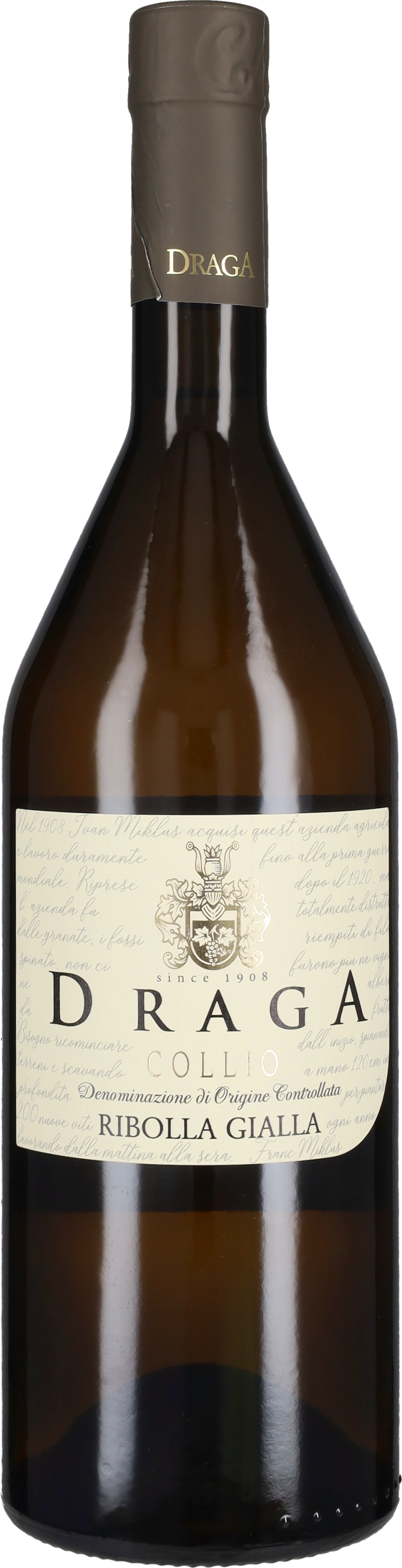
Ribolla Gialla Draga 2024The Ribolla Gialla from the Friulian winery Draga represents a fresh and mineral expression of this renowned traditional variety from the Collio region. The name Ribolla is thought to derive from the tendency of the must from this white grape to "reboil" vigorously during tumultuous fermentation, a time when techniques and technologies did not allow optimal control of fermentation temperature.Draga's Ribolla Gialla is crafted exclusively from grapes of the same white variety, grown without the use of herbicides on the so-called “ponca” soil, characterized by alternating layers of clay marl and sandstone, which are highly conducive to quality viticulture. The vines are located on hillside slopes at an altitude of 220 meters above sea level, in the area of San Floriano del Collio. Harvesting is done by hand with careful grape selection, followed by 24 hours of skin maceration at a temperature of 8-10°C. The must obtained from gentle pressing undergoes alcoholic fermentation in temperature-controlled stainless steel tanks, where the wine then rests for 7 months on the lees before final bottling.The Ribolla Gialla from the family-run Draga winery displays a straw-yellow color. Its aromas evoke floral and fruity notes reminiscent of white flowers, apple, and peach, supported by fresh citrus sensations. On the palate, it stands out for its minerality and freshness, elements that contribute to the wine's lively character, also marked by a pronounced citrusy finish. This Ribolla Gialla pairs perfectly with seafood dishes or lightly aged cheeses.17,00 £*Shipping: 48,00 £Secure redirect to the provider
-
What is a question about the history of Romanesque architecture?
How did Romanesque architecture evolve from the earlier Carolingian and Byzantine styles? **
-
Can you please give a presentation about Louisiana?
Sure! Louisiana is a state located in the southern region of the United States. It is known for its rich cultural heritage, including a mix of French, Spanish, African, and Native American influences. The state is famous for its vibrant music scene, particularly in the genres of jazz, blues, and zydeco. Louisiana is also home to unique cuisine, such as gumbo, jambalaya, and beignets. The city of New Orleans is a major cultural hub, known for its annual Mardi Gras celebration and historic French Quarter. The state also boasts beautiful natural landscapes, including the bayous of the Mississippi River Delta and the scenic Gulf Coast. **
-
Can you help me with the art, culture, and history exam?
Of course! I can help you with the art, culture, and history exam by providing information, explanations, and answering any specific questions you may have. I can also assist in reviewing key concepts, important figures, and significant events related to these subjects. Feel free to ask me anything you need help with, and I'll do my best to assist you in preparing for your exam. **
-
Which castle is it, Castle Salem or Castle Neubeuern?
The castle in the image is Castle Neubeuern. This can be identified by the distinctive tower on the left side of the castle, which is a unique feature of Castle Neubeuern. Additionally, the architecture and layout of the castle match that of Castle Neubeuern, known for its picturesque setting in the Bavarian Alps. **
* All prices are inclusive of VAT and, if applicable, plus shipping costs. The offer information is based on the details provided by the respective shop and is updated through automated processes. Real-time updates do not occur, so deviations can occur in individual cases. ** Note: Parts of this content were created by AI.