Buy castlelouisiana.com ?
We are moving the project
castlelouisiana.com .
Are you interested in purchasing the domain
castlelouisiana.com ?
domain@kv-gmbh.de · 0541-91531010
Buy castlelouisiana.com ?
What is the difference between organic building and organic architecture?
Organic building refers to the use of natural materials and sustainable construction practices in building structures. On the other hand, organic architecture is a design philosophy that seeks to harmonize human habitation with the natural environment through the use of organic forms and principles. While organic building focuses on the materials and methods used in construction, organic architecture is more about the overall design approach and integration of buildings into their surroundings. **
What is the difference between organic construction and organic architecture?
Organic construction refers to the use of natural materials and sustainable building practices in the construction process. On the other hand, organic architecture is a design philosophy that seeks to integrate buildings harmoniously with their natural surroundings, often using organic forms and principles inspired by nature. While organic construction focuses on the materials and methods used in building, organic architecture is more about the overall design approach and aesthetic of the structure. **

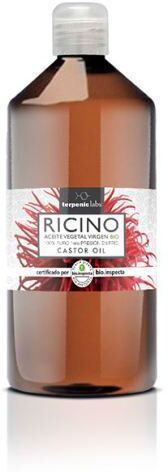
Similar search terms for Terpenic-Lab-Organic-Castor
Top-Angebote
Products related to Terpenic-Lab-Organic-Castor:
-
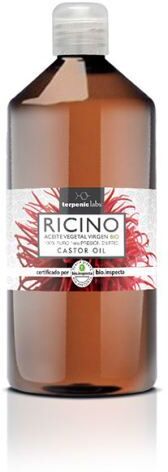
Terpenic Lab Castor oil 100 mlHealth and Beauty Creams Terpenic Lab Castor oil 100 ml Castor oil is obtained by cold-pressing the seeds of the Ricinus communis L. plant, a member of the Euphorbiaceae family. It is native to the Mediterranean basin, India, and East Africa. Analgesic, Antimicrobial, Antifungal, Strengthens and nourishes hair and nails. Castor oil contains a glycoprotein called ricin, which has long-known purgative properties. Because it is a pure, unrectified oil, this vegetable oil is used exclusively for external use. For external use only. In cosmetics, castor oil has been widely used in the manufacture of lipsticks, hair products, bath oils, eyelash products, and emulsions. Highly recognizable on labels by its INCI: Castor Oil. The consistency it provides makes it highly prized for all these preparations. We must also take into account the properties we mentioned above as an antiseptic and analgesic (along with anti-inflammatory and analgesic essential oils in rheumatism, for example). It is also recommended in body and hair oil preparations (anti-hair loss and split end scalp lotions).10,14 £*Shipping: 3,99 £Secure redirect to the provider
-
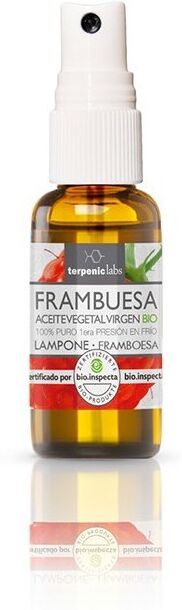
Terpenic Lab Organic Raspberry Oil 30mlHealth and Beauty Creams Terpenic Lab Organic Raspberry Oil 30ml Raspberry seed oil is obtained by cold pressing and subsequent filtration of the seeds of the Rubus ideus L. shrub. This shrub grows endemic to Europe and parts of Asia where it extends from 1.5m to 2.5m with evergreen leaves and whose sweet fruits (raspberries) are produced from late summer to early autumn, although its flowering and ripening may vary depending on the warmer or colder climate of the regions where it grows. Benefits: Acts as an anti-inflammatory for redness and irritation. Properties: moisturizing, nourishing, soothing, and regenerating. Soothing and anti-itch effect. Widely used in the formulation of regenerating cosmetics for the eye contour, lip contour, and facial, hair, and body treatments.12,37 £*Shipping: 3,99 £Secure redirect to the provider
-
Terpenic Lab Organic Camelina 100 mlHealth and Beauty Creams Terpenic Lab Organic Camelina 100 ml 100% pure and natural organic oil, first cold-pressed. Terpenic Labs holds the Euro leaf and Inspecta bio seals, guaranteeing that it comes from organic farming. This cosmetic is made with virgin vegetable oils that retain all the qualities of the fruit or seed, freshly pressed to preserve their aroma, texture, and color. Unique for their therapeutic value for the skin, they retain all their vitamins. Benefits: Therapeutic and antioxidant. Detoxifying. Available sizes: 100 ml and 500 ml10,19 £*Shipping: 3,99 £Secure redirect to the provider
-
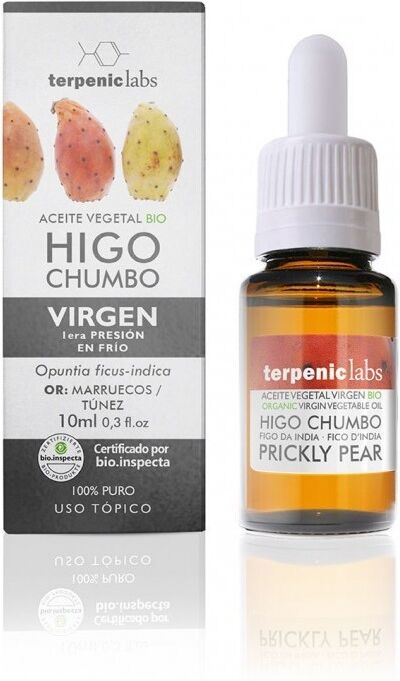
Terpenic Lab Organic Prickly Pear Oil 10mlHealth and Beauty Serums Terpenic Lab Organic Prickly Pear Oil 10ml Our vegetable oil is obtained by cold-pressing the seeds of the Opuntia ficus-indica. This botanical species belongs to the Cactaceae family and is native to arid and semi-arid regions, being the source of Tunisian Terpenic Prickly Pear Oil. It is one of the most prominent vegetable oils in cosmetics and difficult to obtain due to the size and concentration of oil in the seeds. Its properties derive from its components, both from the saponifiable part (with over 75% omega 9 and 6 in its composition) and from the unsaponifiable part, notably the phytosterols and fat-soluble antioxidant vitamins. Cosmetic use: This jewel of nature is renowned for its highly valued regenerative, anti-wrinkle, anti-aging, and protective properties against free radical damage. It has the ability to restore elasticity to the skin. It provides dry skin with comfort and hydration, protecting it from dehydration. It has the ability to visibly improve the appearance of scars. It penetrates the skin very well and doesn't leave a greasy feeling. It is the ultimate natural serum for mature and/or tired skin, as well as an exceptional ally in preventing the signs of skin aging. This plant oil is highly valued in the production of natural cosmetics and aesthetic treatments. It is used as an anti-wrinkle treatment, for stretch marks, in after-sun preparations, eye contour creams, serums, creams, and for scars (acne) and pigmentation spots.18,36 £*Shipping: 3,99 £Secure redirect to the provider
-
What do you need to consider and do in the basic organic chemistry lab course?
In a basic organic chemistry lab course, students need to consider safety precautions, such as wearing appropriate personal protective equipment and following proper handling and disposal procedures for chemicals. They also need to familiarize themselves with the equipment and techniques used in organic chemistry experiments, such as distillation, extraction, and chromatography. Additionally, students should pay close attention to the instructions and procedures provided in the lab manual, as well as accurately record their observations and data in their lab notebooks. Finally, they should be mindful of the environmental impact of the chemicals and waste generated in the lab and follow sustainable practices. **
-
Can castor oil expire?
Yes, castor oil can expire. The shelf life of castor oil is typically around 1-2 years if stored in a cool, dark place. Over time, castor oil can go rancid and lose its effectiveness. It is important to check the expiration date on the bottle and discard any expired castor oil to ensure optimal results when using it. **
-
What is castor oil?
Castor oil is a vegetable oil derived from the seeds of the castor oil plant, scientifically known as Ricinus communis. It is a thick, pale yellow liquid with a distinct odor and taste. Castor oil has been used for centuries for its medicinal and therapeutic properties, and it is commonly used in skincare products, hair treatments, and as a natural laxative. It is rich in fatty acids and has anti-inflammatory and antimicrobial properties, making it a popular ingredient in natural health and beauty products. **
-
Why is organic chemistry called organic chemistry?
Organic chemistry is called so because it was originally believed that compounds found in living organisms could only be produced by living organisms, and were therefore called "organic" compounds. This belief was later disproven, but the name stuck. Organic chemistry is the study of carbon-containing compounds, which are abundant in living organisms, and it focuses on the structure, properties, and reactions of these compounds. **


What happens if you take castor oil after eating? Questions about castor oil.
Taking castor oil after eating can lead to increased discomfort and potential side effects. Castor oil is known for its strong laxative effects, and taking it after eating can cause cramping, nausea, and diarrhea as the oil works to stimulate bowel movements. It is generally recommended to take castor oil on an empty stomach to minimize these potential side effects and allow the oil to work more effectively. Always consult with a healthcare professional before using castor oil for any purpose. **
Have you eaten castor seeds?
No, I have not eaten castor seeds. Castor seeds contain a toxic compound called ricin, which can be harmful if ingested. It is important to handle and consume castor seeds with caution, and they are typically used for industrial purposes such as making castor oil. **
Top-Angebote
Products related to Terpenic-Lab-Organic-Castor:
-
Terpenic Lab Organic Castor Oil 250 mlHealth and Beauty Finishing and Fixing Terpenic Lab Organic Castor Oil 250 ml Nourishes and cares for eyelashes and eyebrows. Cares for and strengthens nails. Not recommended for oral use (intestinal irritant). Analgesic, antimicrobial, antifungal, strengthens and nourishes hair and nails. Castor oil contains a high concentration of ricinoleic acid. Texture: Liquid with balanced viscosity, glossy, and low absorption. Odor: Faint. Color: Pale yellow. Castor oil contains a glycoprotein called ricin, which has long been known for its purgative properties. Therefore, as it is a pure, unrefined oil, we will apply this vegetable oil exclusively externally. The most notable properties of castor oil are: Analgesic, Antimicrobial, Antifungal, Strengthening and nourishing of hair and nails. Uses and applications: External use only. Castor oil has been commonly used in cosmetics, from the manufacture of lipsticks and hair care products to bath oils, eyelash products, and emulsions. The consistency it provides makes it highly valued in all these preparations. Furthermore, we must consider its previously mentioned antiseptic and analgesic properties (when combined with anti-inflammatory and analgesic essential oils for conditions such as rheumatism). It is also recommended in body and hair oil preparations (such as anti-hair loss and split-end lotions), as well as in facial and body serums for hyperpigmentation spots, often combined with other essential and vegetable oils.19,71 £*Shipping: 3,99 £Secure redirect to the provider
-
Terpenic Lab Castor oil 500 mlHealth and Beauty Creams Terpenic Lab Castor oil 500 ml Castor oil is obtained by cold-pressing the seeds of the Ricinus communis L. plant, a member of the Euphorbiaceae family. It is native to the Mediterranean basin, India, and East Africa. Analgesic, Antimicrobial, Antifungal, Strengthens and nourishes hair and nails. Castor oil contains a glycoprotein called ricin, which has long-known purgative properties. Because it is a pure, unrectified oil, this vegetable oil is used exclusively for external use. For external use only. In cosmetics, castor oil has been widely used in the manufacture of lipsticks, hair products, bath oils, eyelash products, and emulsions. Highly recognizable on labels by its INCI: Castor Oil. The consistency it provides makes it highly prized for all these preparations. We must also take into account the properties we mentioned above as an antiseptic and analgesic (along with anti-inflammatory and analgesic essential oils in rheumatism, for example). It is also recommended in body and hair oil preparations (anti-hair loss and split end scalp lotions).31,67 £*Shipping: 4,99 £Secure redirect to the provider
-
Terpenic Lab Castor oil 100 mlHealth and Beauty Creams Terpenic Lab Castor oil 100 ml Castor oil is obtained by cold-pressing the seeds of the Ricinus communis L. plant, a member of the Euphorbiaceae family. It is native to the Mediterranean basin, India, and East Africa. Analgesic, Antimicrobial, Antifungal, Strengthens and nourishes hair and nails. Castor oil contains a glycoprotein called ricin, which has long-known purgative properties. Because it is a pure, unrectified oil, this vegetable oil is used exclusively for external use. For external use only. In cosmetics, castor oil has been widely used in the manufacture of lipsticks, hair products, bath oils, eyelash products, and emulsions. Highly recognizable on labels by its INCI: Castor Oil. The consistency it provides makes it highly prized for all these preparations. We must also take into account the properties we mentioned above as an antiseptic and analgesic (along with anti-inflammatory and analgesic essential oils in rheumatism, for example). It is also recommended in body and hair oil preparations (anti-hair loss and split end scalp lotions).10,14 £*Shipping: 3,99 £Secure redirect to the provider
-
Terpenic Lab Organic Raspberry Oil 30mlHealth and Beauty Creams Terpenic Lab Organic Raspberry Oil 30ml Raspberry seed oil is obtained by cold pressing and subsequent filtration of the seeds of the Rubus ideus L. shrub. This shrub grows endemic to Europe and parts of Asia where it extends from 1.5m to 2.5m with evergreen leaves and whose sweet fruits (raspberries) are produced from late summer to early autumn, although its flowering and ripening may vary depending on the warmer or colder climate of the regions where it grows. Benefits: Acts as an anti-inflammatory for redness and irritation. Properties: moisturizing, nourishing, soothing, and regenerating. Soothing and anti-itch effect. Widely used in the formulation of regenerating cosmetics for the eye contour, lip contour, and facial, hair, and body treatments.12,37 £*Shipping: 3,99 £Secure redirect to the provider
-
What is the difference between organic building and organic architecture?
Organic building refers to the use of natural materials and sustainable construction practices in building structures. On the other hand, organic architecture is a design philosophy that seeks to harmonize human habitation with the natural environment through the use of organic forms and principles. While organic building focuses on the materials and methods used in construction, organic architecture is more about the overall design approach and integration of buildings into their surroundings. **
-
What is the difference between organic construction and organic architecture?
Organic construction refers to the use of natural materials and sustainable building practices in the construction process. On the other hand, organic architecture is a design philosophy that seeks to integrate buildings harmoniously with their natural surroundings, often using organic forms and principles inspired by nature. While organic construction focuses on the materials and methods used in building, organic architecture is more about the overall design approach and aesthetic of the structure. **
-
What do you need to consider and do in the basic organic chemistry lab course?
In a basic organic chemistry lab course, students need to consider safety precautions, such as wearing appropriate personal protective equipment and following proper handling and disposal procedures for chemicals. They also need to familiarize themselves with the equipment and techniques used in organic chemistry experiments, such as distillation, extraction, and chromatography. Additionally, students should pay close attention to the instructions and procedures provided in the lab manual, as well as accurately record their observations and data in their lab notebooks. Finally, they should be mindful of the environmental impact of the chemicals and waste generated in the lab and follow sustainable practices. **
-
Can castor oil expire?
Yes, castor oil can expire. The shelf life of castor oil is typically around 1-2 years if stored in a cool, dark place. Over time, castor oil can go rancid and lose its effectiveness. It is important to check the expiration date on the bottle and discard any expired castor oil to ensure optimal results when using it. **
Similar search terms for Terpenic-Lab-Organic-Castor
-
Terpenic Lab Organic Camelina 100 mlHealth and Beauty Creams Terpenic Lab Organic Camelina 100 ml 100% pure and natural organic oil, first cold-pressed. Terpenic Labs holds the Euro leaf and Inspecta bio seals, guaranteeing that it comes from organic farming. This cosmetic is made with virgin vegetable oils that retain all the qualities of the fruit or seed, freshly pressed to preserve their aroma, texture, and color. Unique for their therapeutic value for the skin, they retain all their vitamins. Benefits: Therapeutic and antioxidant. Detoxifying. Available sizes: 100 ml and 500 ml10,19 £*Shipping: 3,99 £Secure redirect to the provider
-
Terpenic Lab Organic Prickly Pear Oil 10mlHealth and Beauty Serums Terpenic Lab Organic Prickly Pear Oil 10ml Our vegetable oil is obtained by cold-pressing the seeds of the Opuntia ficus-indica. This botanical species belongs to the Cactaceae family and is native to arid and semi-arid regions, being the source of Tunisian Terpenic Prickly Pear Oil. It is one of the most prominent vegetable oils in cosmetics and difficult to obtain due to the size and concentration of oil in the seeds. Its properties derive from its components, both from the saponifiable part (with over 75% omega 9 and 6 in its composition) and from the unsaponifiable part, notably the phytosterols and fat-soluble antioxidant vitamins. Cosmetic use: This jewel of nature is renowned for its highly valued regenerative, anti-wrinkle, anti-aging, and protective properties against free radical damage. It has the ability to restore elasticity to the skin. It provides dry skin with comfort and hydration, protecting it from dehydration. It has the ability to visibly improve the appearance of scars. It penetrates the skin very well and doesn't leave a greasy feeling. It is the ultimate natural serum for mature and/or tired skin, as well as an exceptional ally in preventing the signs of skin aging. This plant oil is highly valued in the production of natural cosmetics and aesthetic treatments. It is used as an anti-wrinkle treatment, for stretch marks, in after-sun preparations, eye contour creams, serums, creams, and for scars (acne) and pigmentation spots.18,36 £*Shipping: 3,99 £Secure redirect to the provider
-
Terpenic Lab Organic Jojoba Oil 500 mlHealth and Beauty Creams Terpenic Lab Organic Jojoba Oil 500 ml Terpenic Labs Jojoba Oil is obtained from the seeds of the Jojoba shrub (Buxus chinensis), a plant native to the Sonoran and Mojave deserts (areas belonging to Mexico and the USA). It is a treatment for oily and acne-prone skin, regulating sebum production and providing deep nourishment. Directions for Use: Apply to the affected area with a gentle massage.45,43 £*Shipping: 3,99 £Secure redirect to the provider
-
Terpenic Lab Organic Marjoram Essential Oil 5 mlNutrition and Supplements Natural Extracts Terpenic Lab Organic Marjoram Essential Oil 5 ml Marjoram (Origanum majorana) should not be confused with its cousin, oregano (Origanum compactum), as they are similar plants belonging to the same species. However, their essential oil and therapeutic applications are distinct. This plant should also not be confused with another plant also sometimes called marjoram: Thymus mastichina, which grows abundantly in central Spain (Avila, Tietar Valley). Legend has it that it was the goddess Aphrodite who gave marjoram its fragrance by caressing its leaves. The Egyptians already cultivated it; it was dedicated to the god Osiris and used for embalming. In Roman and Greek times, newlyweds wore marjoram wreaths as a symbol of happiness and fertility. It was already credited with relieving joint and muscle pain, and the Romans appreciated its use for stomach discomfort. Marjoram is native to North Africa and Egypt, and grows throughout the Mediterranean region, primarily in France, Spain, and Hungary. The essential oil is extracted from the flowers by steam distillation. 100 kg of flowers yields approximately 300 ml of essential oil. Marjoram essential oil (Origanum majorana) is very useful for treating nervous disorders and all their repercussions on the body. Therapeutic properties: - Antibacterial Analgesic - Calming and relaxing of the central nervous system - Nervous rebalancing, neurotonic - Digestive tonic - Antispasmodic Therapeutic indications: Neurovegetative dystonias and their manifestations: - Tachycardia, arrhythmias, hypertension, anxiety, anguish, stress, agitation, nervousness, hyper-emotionality, insomnia - Nervous asthma, dyspnea, osteoarthritis, arthritis, contractures - Tinnitus Respiratory infections.13,92 £*Shipping: 3,99 £Secure redirect to the provider
-
What is castor oil?
Castor oil is a vegetable oil derived from the seeds of the castor oil plant, scientifically known as Ricinus communis. It is a thick, pale yellow liquid with a distinct odor and taste. Castor oil has been used for centuries for its medicinal and therapeutic properties, and it is commonly used in skincare products, hair treatments, and as a natural laxative. It is rich in fatty acids and has anti-inflammatory and antimicrobial properties, making it a popular ingredient in natural health and beauty products. **
-
Why is organic chemistry called organic chemistry?
Organic chemistry is called so because it was originally believed that compounds found in living organisms could only be produced by living organisms, and were therefore called "organic" compounds. This belief was later disproven, but the name stuck. Organic chemistry is the study of carbon-containing compounds, which are abundant in living organisms, and it focuses on the structure, properties, and reactions of these compounds. **
-
What happens if you take castor oil after eating? Questions about castor oil.
Taking castor oil after eating can lead to increased discomfort and potential side effects. Castor oil is known for its strong laxative effects, and taking it after eating can cause cramping, nausea, and diarrhea as the oil works to stimulate bowel movements. It is generally recommended to take castor oil on an empty stomach to minimize these potential side effects and allow the oil to work more effectively. Always consult with a healthcare professional before using castor oil for any purpose. **
-
Have you eaten castor seeds?
No, I have not eaten castor seeds. Castor seeds contain a toxic compound called ricin, which can be harmful if ingested. It is important to handle and consume castor seeds with caution, and they are typically used for industrial purposes such as making castor oil. **
* All prices are inclusive of VAT and, if applicable, plus shipping costs. The offer information is based on the details provided by the respective shop and is updated through automated processes. Real-time updates do not occur, so deviations can occur in individual cases. ** Note: Parts of this content were created by AI.